
Trump signs executive order asking for access to new AI models before they launch
Trump Signs Executive Order to Secure Early Access to New AI Models
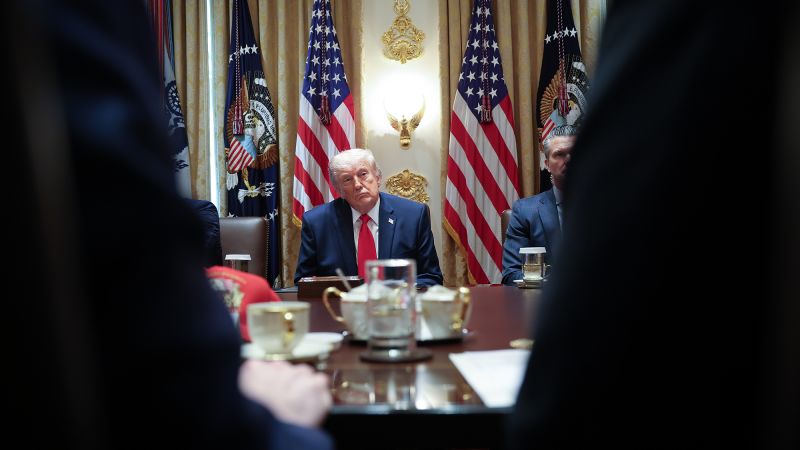
Trump signs executive order asking for access – President Donald Trump announced on Tuesday the formal enactment of an executive order designed to grant the U.S. government early access to cutting-edge AI models. The measure aims to assess potential cybersecurity risks and safeguard essential infrastructure before these technologies are widely deployed. This directive follows growing concerns among government agencies and financial markets about the security vulnerabilities posed by recent AI advancements, such as Anthropic’s Mythos model.
The executive order requests AI firms to voluntarily share their latest models with federal authorities up to 30 days prior to public release. This window would allow officials to evaluate threats and collaborate with industry partners to enhance protective measures. The proposal marks a strategic shift in the Trump administration’s approach to AI regulation, which had previously favored a more hands-off strategy.
The order was delayed for nearly two weeks before its final signing, with the ceremony postponed just hours before the planned date. A revised version, unveiled in May, initially proposed a 90-day review period. However, industry insiders revealed that many tech companies supported a shorter timeframe, citing the rapid pace of AI development as a key factor. The change reflects a compromise between regulatory oversight and innovation speed.
According to a source with knowledge of the internal discussions, a critical meeting on Monday with senior Trump advisors and cabinet members expedited the approval of the updated executive order. The White House emphasized that the directive embodies a “common-sense approach” to balancing technological progress with national security. A spokesperson noted the order’s intent to “collaborate with industry” and “cement America’s leadership in AI and cybersecurity.”
Central to the order is the establishment of a “cybersecurity clearinghouse,” a centralized hub for intelligence-sharing between private firms and national security agencies. This initiative is intended to streamline threat detection and response efforts. Importantly, the document clarifies that voluntary pre-release access does not establish a mandatory licensing system, ensuring companies retain flexibility in their operations.
Anthropic, the firm behind the Mythos model, has been directly engaged in discussions with the White House. The company’s AI systems were flagged as a “supply chain risk” by the Pentagon after a dispute over guardrails in their models. Despite this, Anthropic has already shared advanced versions of its models with select organizations and governments to aid in defensive preparations.
“This executive order represents an important step forward, demonstrating that safety and innovation must evolve in tandem to ensure the United States remains a global leader in AI,” said Chris Lehane, OpenAI’s chief global affairs officer.
Lehane also highlighted the necessity of “democratic institutions” in shaping AI safety standards. “Technical expertise and diverse stakeholder input are essential to building frameworks that foster accountability and public confidence,” he added. Microsoft President Brad Smith echoed this sentiment, stating, “This order is a meaningful contribution to advancing innovation while securing the American public.”
The decision to prioritize early access over mandatory oversight comes amid mounting pressure from both the government and Wall Street. Advanced AI models are seen as potential catalysts for unprecedented cyber threats, with experts warning that they could amplify the scale and speed of attacks. By securing pre-release evaluations, the administration hopes to identify risks before they are exploited in real-world scenarios.
The original plan for the executive order was set for May 20, but it was postponed after Trump expressed reservations about certain provisions. During the delay, he argued that the initial draft might “block AI development” by imposing excessive restrictions. “I want to ensure the order doesn’t act as a hindrance,” he stated, underscoring his commitment to fostering technological growth.
Previously, the Department of Commerce’s National Institute of Standards and Technology (NIST) had proposed a similar requirement, urging major tech firms to share unreleased AI models for evaluation. However, that announcement is no longer listed on the Commerce Department’s website, suggesting a shift in focus or strategy. Trump’s order, while less formal, aligns with the broader goal of integrating security checks into the AI development lifecycle.
Industry experts praised the order’s adaptability, particularly its acknowledgment of the fast-moving nature of AI innovation. “The 30-day window allows companies to respond quickly to evolving challenges without sacrificing security,” said one analyst. The voluntary nature of the program also reduces regulatory friction, which could be crucial for maintaining investor confidence and market agility.
Anthropic’s Mythos model has been a focal point of these discussions, with its ability to identify and exploit cybersecurity weaknesses raising alarm. The company’s decision to release the model to all customers in the coming weeks underscores the urgency of addressing these concerns. Meanwhile, OpenAI has been actively engaging with the White House, working to refine the order’s language and scope.
As the executive order takes effect, its implementation will depend on how AI firms interpret the requirements. Some may view the 30-day window as a manageable period, while others might seek additional clarity. The success of the initiative will likely hinge on its ability to foster collaboration without stifling innovation. With AI’s potential to reshape industries and global security, this measure represents a pivotal moment in the U.S. regulatory landscape.
The Broader Implications of Early Access for AI Models
Proponents of the executive order argue that early government access is vital for staying ahead of emerging threats. Cybersecurity experts have long warned that AI’s capabilities could revolutionize both offensive and defensive strategies, making preemptive evaluations more critical than ever. The order’s emphasis on voluntary sharing is designed to encourage transparency while avoiding rigid compliance.
While the voluntary aspect leaves room for discretion, it also signals a proactive stance from the administration. By working closely with companies like Anthropic and OpenAI, the White House aims to create a partnership that benefits both the public and private sectors. This approach could set a precedent for future AI regulations, blending oversight with industry collaboration.
The cybersecurity clearinghouse, another key component of the order, is expected to serve as a central platform for exchanging data and insights. This tool will enable agencies to coordinate responses to AI-related threats, ensuring a unified front against potential breaches. The initiative is part of a larger effort to modernize the nation’s cybersecurity infrastructure in the face of rapidly advancing technologies.
For the Trump administration, the executive order reflects a calculated response to the dual challenges of innovation and security. By allowing early access to AI models, the government can leverage industry expertise to identify risks, while still giving companies the freedom to develop and deploy their technologies. This balance is seen as crucial for maintaining the U.S. position as a leader in the global AI race.
Despite the delay, the order’s implementation is expected to proceed smoothly. The revised timeline aligns with the dynamic nature of AI development, ensuring that the government can respond to new models without imposing overly burdensome requirements. As companies prepare to share their advanced systems, the focus will shift to how effectively the clearinghouse can integrate this information into actionable strategies.
