
12 of America’s most iconic sandwiches and where to eat them
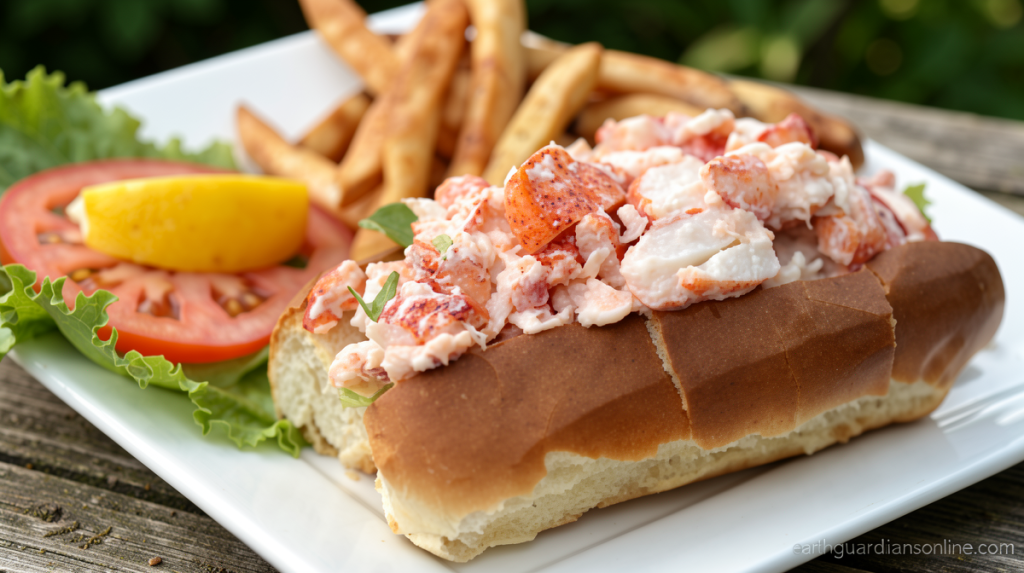
Twelve Signature Sandwiches That Define American Culinary Heritage
12 of America s most iconic – When considering foods that capture the essence of American mobility and convenience, few items rival the humble sandwich. This versatile meal has become deeply woven into the nation’s cultural fabric, largely thanks to the innovative spirit of immigrant populations who arrived seeking new opportunities. From coastal metropolises to inland communities, each region has cultivated its own distinctive sandwich traditions that reflect local ingredients and heritage.
The muffaletta, beloved in New Orleans, emerged from Italian settlers who established themselves in the city’s Lower French Quarter. Meanwhile, the Cuban sandwich represents a beautiful convergence of multiple immigrant influences—Cuban, Spanish, Italian, and German communities all contributed to its development in Florida. Interestingly, both Miami and Tampa proudly assert ownership over this delicious creation.
Chicago’s Beef Sandwich Renaissance
Thanks to the popular television series “The Bear,” this Chicago specialty has gained recognition far beyond its Midwestern home. Dating back to the early twentieth century, the sandwich owes its existence to Italian immigrants who brought their culinary traditions to the Windy City. The preparation involves placing thinly sliced beef inside a hero roll, then generously topping it with giardiniera—a tangy pickled vegetable mixture beloved in Italian-American cuisine. Additional toppings like sweet peppers and melted cheese add further complexity to this satisfying sandwich.
Ciccio, located at Navy Pier, has become a destination for sandwich enthusiasts seeking an authentic experience. The particular version showcased on the FX/Hulu production was developed by Courtney Storer, the show’s culinary producer. Raised in Chicago alongside her brother and the series creator Chris Storer, Courtney brought her deep understanding of local flavors to the screen.
The South’s Creamy Delight
Pimento cheese holds a special place in Southern cuisine, earning the nickname “the pâté of the South” despite evidence suggesting its origins may trace back to New York City. The Southern interpretation became particularly beloved in states including North Carolina and Georgia. This creamy spread appears regularly on the concession menu at the prestigious Masters Tournament in Augusta, Georgia, where it maintains its traditional price of $1.50.
Traditional preparations always feature white bread as the foundation. The thick spread combines sharp cheddar cheese, mayonnaise, and diced pimento peppers—which derive from Spanish pimientos. Some variations incorporate cream cheese, grated onion, or cayenne pepper and hot sauce for additional flavor dimensions.
Western New York’s Beef on Weck
Residents of Western New York, particularly those in the Buffalo region, hold strong opinions about which establishment serves the finest beef on weck. This regional specialty arrives on a kummelweck roll, which refers to a salt-crusted kaiser roll adorned with caraway seeds. The top bun receives a dip in au jus before capping thinly sliced roast beef, typically served rare and enhanced with horseradish.
Anthony Bourdain tried the sandwich at Schwabl’s, which has been around since 1837, and called it a “tasty little masterpiece.”
Florida’s Coastal Catch
While Florida might be more famous for its Cuban sandwich, the Gulf Coast and especially the Florida Keys offer something equally compelling: the grouper sandwich. This white, flaky fish represents a prized catch in both the Atlantic Ocean and the Gulf of Mexico, available grilled, fried, or blackened depending on the establishment.
A Tampa Magazine article documents that the first restaurant advertisement for a grouper sandwich appeared in Panama City in 1974. Frenchy’s Original Cafe in Clearwater Beach continues this tradition, offering both a classic version with tartar sauce and pickle, and an innovative Reuben-style variation using their original beer batter-fried preparation.
Katz’s Legendary Pastrami
New York City’s oldest deli, Katz’s Delicatessen on the Lower East Side, opened its doors in 1888 as a small kosher establishment called the Iceland Brothers deli. The Katz family joined operations in 1903, transforming it into what is now considered a pilgrimage site for pastrami on rye enthusiasts.
This iconic sandwich gained popularity in New York through a Lithuanian immigrant who sold it from a Delancey Street deli. Pastrami itself traces its lineage to Ottoman Turks and subsequently to Romania, where jerky-like preparations of beef, goat, or mutton evolved into pastirma—surprisingly made from goose in its original form. New York immigrants adapted the technique to utilize the abundant and affordable beef brisket available in America, creating the smoked, brined version served between rye bread with spicy brown mustard that Americans know and love today.
These twelve sandwiches represent more than just food—they embody the story of American immigration, regional pride, and the creative spirit that continues to shape our culinary landscape. Whether you discover them while traveling or find them in your local neighborhood, each bite connects you to generations of Americans who have made these sandwiches their own.
