
Buckingham Palace is a must-see for tourists. So why don’t the royals want to live there?
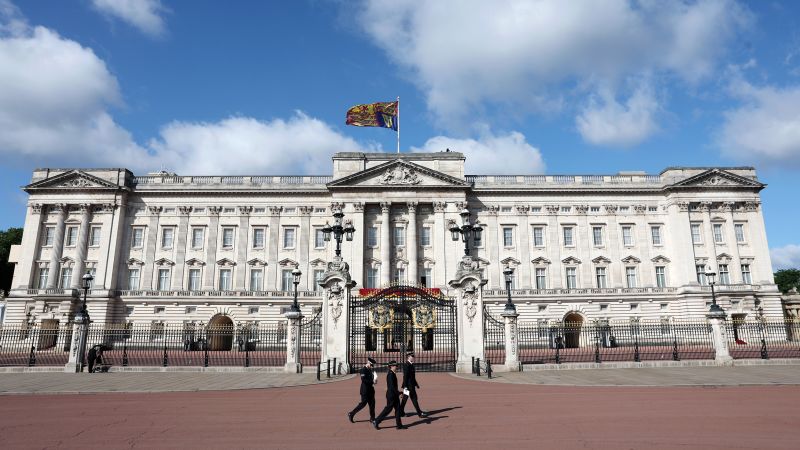
Buckingham Palace: A Must-See Destination, Yet the Royals Choose to Live Elsewhere
Buckingham Palace is a must see – Buckingham Palace is a must-see destination for travelers eager to glimpse the heart of British royal history. As a central fixture of the monarchy, the palace has long been a symbol of national pride, hosting lavish events and serving as a backdrop for royal milestones. However, despite its iconic status, the royal family has opted to shift their primary residence, raising questions about their evolving connection to the historic site. King Charles III and Queen Camilla now reside at Clarence House, a move that highlights the changing dynamics of royal life in modern times.
The Royal Family’s Evolving Relationship with the Palace
Buckingham Palace remains a must-see for visitors, yet its role as a private home for the monarchy has diminished. The £369 million renovation program, which began in 2017, has transformed the building into a more functional space for ceremonies and state functions rather than daily living. This shift marks a departure from tradition, as Charles III is the first monarch in over 180 years to choose not to live there. His decision reflects a growing emphasis on modernization, even as the palace continues to serve as the monarchy’s administrative hub.
While the palace is a must-see attraction, its importance extends beyond tourism. It has been the official London residence of monarchs since 1837, a legacy that dates back to Queen Victoria’s reign. Her choice to retreat to Windsor Castle in her later years, however, demonstrated that the palace’s role as a personal residence is not as central as its symbolic significance. Today, the monarchy’s presence is more about maintaining public engagement than daily habitation, a trend that continues with the current royal family’s choice to stay elsewhere.
A Symbol of Power and Public Interest
Buckingham Palace’s history as a royal symbol is intertwined with its status as a must-see landmark. From its initial construction by King George III to the dramatic expansion under King George IV, the palace has undergone numerous transformations. Yet, its modern use has shifted, with the royal family no longer residing there full-time. This change has sparked discussions about whether the palace still holds the same allure for the public or if its magic has faded without the monarchy’s daily presence.
Visitors often cite the palace’s grandeur and historical value as reasons to visit, but some argue that the absence of the royal family diminishes its charm. A tourist remarked, “The palace is a must-see, but its magic feels less tangible without the monarchy living there.” Others, however, see the palace’s role as a must-see destination as more about its architectural and cultural importance than the royal family’s residency. This contrast highlights how the public perceives the palace as a blend of history and spectacle, even when it is no longer the monarchs’ primary home.
The Cost of Maintenance and Royal Priorities
The £369 million renovation program, a must-see example of modern infrastructure investment, has reshaped the palace for contemporary needs. Upgrades to electrical systems, plumbing, and fire safety have been prioritized, ensuring the building remains a functional and prestigious site. While these changes are essential, they have also led to increased financial demands, with the royal family facing a £17 million tax bill tied to the palace’s upkeep. This cost has influenced their decision to maintain a separate residence, underscoring the balance between tradition and fiscal responsibility.
Despite these financial considerations, the palace continues to serve as a must-see for both locals and international visitors. It remains a hub for royal functions, including the Changing of the Guard and the annual garden party, which draw thousands of attendees each year. The monarchy’s commitment to preserving the palace’s legacy ensures that it remains a vital part of the UK’s cultural identity, even as its role as a private home evolves. This duality—of being a must-see attraction while also serving administrative purposes—highlights the changing nature of the royal family’s relationship with their historic estate.
Public Perception and the Palace’s Enduring Appeal
While the royal family’s absence may affect the palace’s charm for some, it has not diminished its appeal as a must-see destination. Historical tours, exhibitions, and guided visits continue to attract crowds, offering insights into the lives of past monarchs and the palace’s storied past. The structure’s blend of neoclassical architecture and royal history makes it a must-see for anyone interested in the intersection of heritage and modernity.
The palace’s role as a must-see landmark is further reinforced by its iconic status. Even when the royal family is not present, the building’s grandeur and historical significance draw visitors from around the world. Its transformation into a ceremonial and diplomatic center has not detracted from its allure, as the monarchy’s continued presence—through events and public appearances—keeps the palace at the forefront of royal engagement. This dynamic ensures that Buckingham Palace remains a must-see for generations to come, even as the royals choose to live elsewhere.
