Don’t grab your bags in an airplane emergency, industry body warns

Don’t grab your bags in an airplane emergency, industry body warns
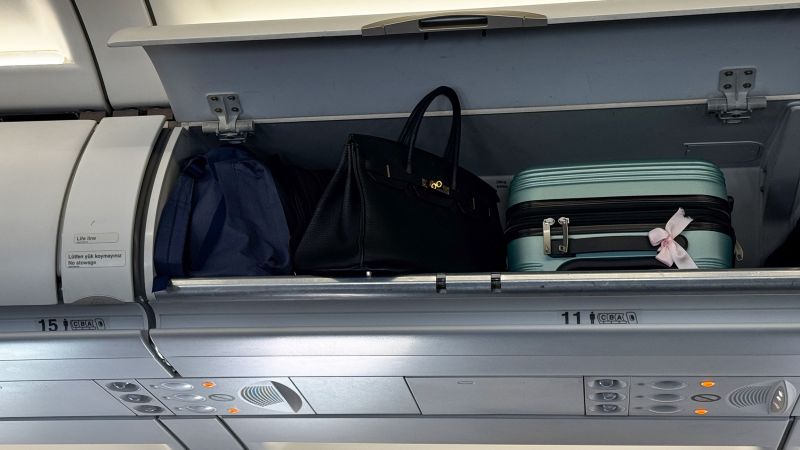
Don t grab your bags – In a recent push to reinforce safety protocols, the International Air Transport Association (IATA) has launched a campaign emphasizing the importance of following crew instructions during emergencies. The initiative highlights a growing trend of passengers neglecting critical guidelines, such as leaving belongings behind and prioritizing speed over personal items when evacuating an aircraft.
The campaign underscores that retrieving luggage from overhead compartments or using phones to record the evacuation can delay the process significantly. Every second counts in an emergency, and IATA warns that these actions could jeopardize the safety of everyone on board. Bryan Bedford from the Federal Aviation Administration (FAA) noted in a statement,
“Safety is a shared responsibility, and informed, attentive passengers help ensure a faster, safer evacuation for everyone on board.”
This sentiment reflects the industry’s ongoing efforts to prevent avoidable risks.
Recent incidents have served as a stark reminder of the dangers associated with passenger complacency. A former Air Canada pilot is currently under criminal investigation for operating flights with a forged license for nearly 17 years. Canadian authorities revealed the case Tuesday, highlighting how easily security can be breached. This follows a separate event last month where a 25-year-old man bypassed TSA checkpoints and gate agents at a Houston airport, boarding a United Airlines flight with a suspected counterfeit boarding pass. He was later captured hiding in the plane’s restroom, illustrating the potential for human error to compromise safety.
While such breaches are uncommon, they underscore the need for vigilance. In May, two instances of passengers attempting to enter the cockpit were reported—one on a flight to Chicago and another to Minneapolis. Although no one has managed to storm the cockpit since the September 11, 2001 attacks, experts argue that additional measures could further reduce risks. This includes the revival of a 20th-century practice in some US airports, where nonticketed guests are now permitted to walk loved ones to their gates, even without a plane ticket. Seattle-Tacoma International Airport pioneered this approach, and as of this month, 21 domestic airports have adopted similar policies.
Meanwhile, in Europe, a major airline is facing scrutiny for charging parents to accompany their children on flights. The UK’s competition watchdog is examining whether this practice violates consumer law by being considered “unfair.” However, not all European destinations penalize families. In Sardinia, for example, a popular beach has implemented a unique rule: umbrellas are banned for individuals aged 10 to 65. The decision was based on safety concerns during emergencies, though critics argue it overlooks the need for sun protection and cancer prevention.
Outside the realm of aviation, a heartwarming story unfolded when a German Shepherd named Bruce was rescued after drifting miles out to sea. The dog had been on an inflatable kayak near the northeast coast of England before being spotted by a sightseeing boat crew. Bruce’s owner confirmed the animal was safely returned home, describing the outcome as “a miracle.” This incident highlights the unpredictable nature of travel adventures, even for pets.
Adding to the week’s notable stories, the culinary capital of South America has been crowned the world’s best city for food. The designation comes amid a surge of interest in gastronomic destinations, with travelers and food enthusiasts eager to explore the region’s rich culinary offerings. Whether it’s the aroma of street food or the elegance of fine dining, this city has set a new standard in the global food scene.
Meanwhile, a private island in the Venice lagoon is set to change hands as a Swarovski family trust prepares to sell it for $28 million. The island, which features a mix of natural beauty and unique landmarks, is being marketed as a destination for those seeking luxury and tranquility. The sale comes amid a global tournament and the discovery of a flesh-eating parasite, adding to the week’s eclectic mix of events.
Travelers are also being challenged to remember key moments from the past week. A controversial declaration of a new AI-governed country has sparked debate, with its creator expressing uncertainty about the outcome. These developments, ranging from safety warnings to bold declarations, continue to shape the ever-evolving world of travel and exploration.