Instant noodles have a bad reputation — but the world still can’t get enough of them

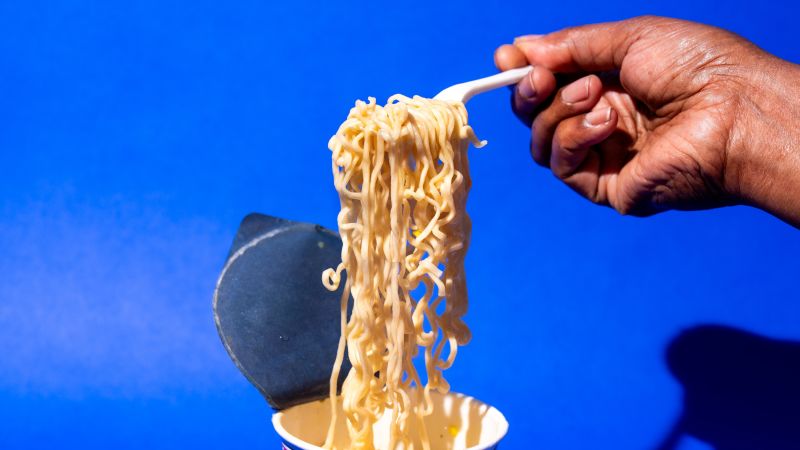
Instant Noodles: Global Love Despite Health Criticism
Instant noodles have a bad reputation, often labeled as a symbol of poor dietary choices. Yet, their global appeal remains unshaken, with millions relying on them for quick, affordable meals. The paradox of instant noodles lies in their dual identity—seen as a convenience food by some and a health concern by others. Despite this, they continue to dominate kitchens and cultures worldwide, proving that taste, tradition, and practicality can override health skepticism. From convenience store shelves to fast-food menus, their presence is undeniable, raising the question: why do they persist in a world increasingly focused on nutrition?
A Post-War Innovation with Global Reach
The story of instant noodles began in the shadow of World War II, when Japan’s food shortages demanded creative solutions. Momofuku Ando, a visionary in Osaka, crafted a product that would redefine how people eat. His idea of flash-frying noodles to preserve texture and reviving them with hot water was a breakthrough. This innovation, initially called “Chikin Ramen,” became the foundation of a global phenomenon. By the 1970s, the introduction of cup noodles—single-serving, disposable packages—marked a turning point, enabling instant noodles to transcend borders and become a staple in countless households.
Ando’s design principles emphasized convenience, affordability, and universal accessibility. These values, as highlighted by Nissin Foods Group, explain their enduring relevance. Today, the instant noodle market is projected to grow from $64.67 billion in 2025 to $98.46 billion by 2032, according to industry reports. This rapid expansion underscores how a food often criticized for its health implications has found a niche in modern life. Even as concerns about processed foods rise, instant noodles remain a go-to option for simplicity and satiety.
Health Concerns vs. Cultural Necessity
Research on instant noodles has consistently pointed to health risks, such as higher cholesterol levels and links to chronic conditions like heart disease and dementia. These findings have fueled debates about their role in a balanced diet. However, the product’s adaptability allows it to cater to diverse needs. For example, in Vietnam, where the per capita consumption is 81 servings annually, instant noodles are not just a convenience but a cultural touchstone. The World Instant Noodles Association notes that their evolution reflects changing consumer demands, from basic affordability to refined flavors and healthier alternatives.
“People seek comfort, and instant noodles deliver that through ease, reliability, and affordability,” explained a Nissin Foods representative. This perspective aligns with broader trends in fast food consumption, where instant noodles occupy a unique space. They are not only affordable but also customizable, allowing individuals to add vegetables, proteins, or spices to enhance nutritional value. In a world where health is often prioritized, their ability to adapt without losing appeal is remarkable.
The Paradox of Popularity and Perception
Even with their health drawbacks, instant noodles have maintained a loyal following. Their high energy density and hyperpalatable combinations of salt, sugar, and fat make them irresistibly convenient. For shift workers, students, or travelers, the allure of a quick, hot meal is undeniable. “It’s about what you need in the moment,” said a consumer advocate. This instant gratification, while critiqued by health professionals, continues to drive demand.
Despite the stigma, instant noodles have become a global symbol of resilience and ingenuity. In China, they are consumed in over 43,802 million servings annually, while Indonesia and India follow closely. Their versatility allows them to be tailored to regional tastes, blending tradition with modernity. Whether as a street food staple in Thailand or a quick meal for busy professionals in South Korea, instant noodles have found a way to thrive in varied settings. This adaptability ensures their place in the global food landscape, even as health debates persist.