
‘Read the air’: A Japanese hot spring expert shares some naked truths about naked bathing
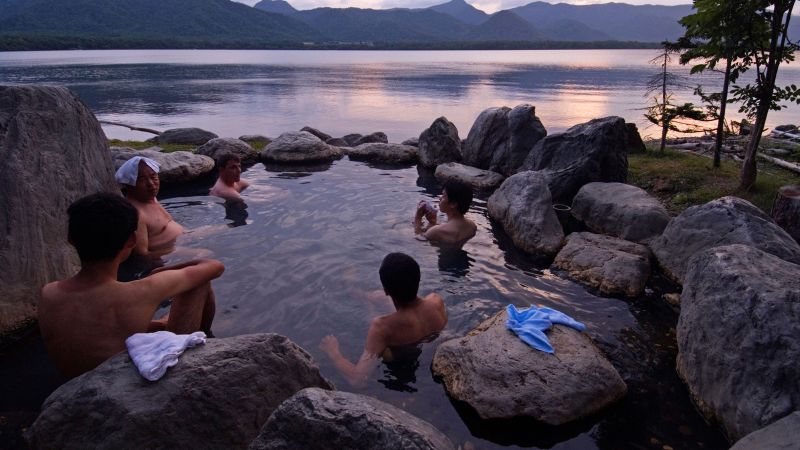
Read the air: A Japanese Onsen Expert Shares Secrets of Naked Bathing
Read the air is a phrase that captures the essence of Japanese onsen culture, where subtle cues guide every aspect of the experience. In a country renowned for its serene thermal springs, the practice of naked bathing is not just a tradition but a deeply symbolic act. While many onsen facilities across Japan require visitors to remove their clothes, the ritual is steeped in etiquette, from the temperature of the water to the way it’s shared among guests. For those unfamiliar, the first encounter with an onsen can be as revealing as it is disarming — a moment where the air itself becomes a silent instructor.
The Art of Presence
During my visit to the Kuroneiwa-buro spring on the Izu Peninsula, I witnessed a perfect example of how Read the air translates into action. The spot, nestled near the Pacific Ocean, invites bathers to immerse themselves in the natural warmth while listening to the rhythm of the waves. A Western visitor, mid-splash in the hot spring, misunderstood the cultural nuances. She poured water from the source, a practice known as kakeyu, but without recognizing the significance of the sign nearby. “Read the air,” I reminded her, as the steam curled around us like a living curtain. “It’s not just about the heat — it’s about the atmosphere.”
“Not that water — you’ll burn yourself!” I shouted, my voice rising above the steam. “Use the bucket and scoop water from the bath, not the source.”
Her initial enthusiasm was a charming contrast to the quiet reverence of the locals. While some might see the practice as bold, others view it as a form of trust, a shared intimacy that defines the onsen experience. The rules, though simple, create a space where strangers become companions, and the air itself seems to dictate the flow of the ritual.
Understanding the Onsen Experience
Read the air extends beyond the physical act of bathing; it’s about sensing the unspoken rules that govern these spaces. Japanese onsen are categorized by their mineral composition and pH levels, each offering unique therapeutic benefits. The water must be naturally sourced, either bubbling up through the earth or drawn from geothermal depths, ensuring its warmth and purity. This distinction is central to the Japanese Onsen Law, which defines the criteria for qualifying as an onsen, emphasizing its role as a natural healing resource.
Visitors are often surprised by the simplicity of the guidelines. Many onsen facilities display charts detailing their mineral content, allowing bathers to choose based on their needs. Yet, the true magic lies in the unspoken etiquette: silence, shared space, and respect for the environment. Whether it’s the soft rustle of water or the distant chatter of nearby bathers, Read the air becomes a guide, helping newcomers navigate the delicate balance of tradition and tranquility.
Cultural Nuances and Social Customs
Read the air also reveals the cultural nuances that make onsen unique. Nudity is the norm, yet it feels less like a display of vulnerability and more like a communal ritual. Tattoos, however, can be a different story — in some traditional onsen, they are viewed as a sign of defiance, leading to unexpected encounters. These invisible rules, often communicated through signage or gestures, shape the atmosphere of every onsen visit, creating an environment where social harmony is as important as the water’s temperature.
As someone who has spent most of my life abroad, I’ve always been fascinated by how Read the air defines the onsen experience. The act of sharing a bath without words, the quiet confidence of locals in their rituals, and the way the environment itself seems to hum with purpose — it’s a culture that values presence over performance. This realization deepened when I decided to become an onsen sommelier, dedicating myself to preserving and explaining these traditions with the same care as a wine connoisseur.
Embracing the Ritual
Read the air is not just a phrase but a way of life for those who embrace onsen culture. The first step in understanding it is to observe the subtle signals that guide the experience — from the way water is poured to the order in which bathers enter the pool. These rituals, passed down through generations, create a sense of unity and respect that is rare in modern settings. While the rules may seem rigid to outsiders, they are designed to foster a deep connection with nature and with others.
For instance, the act of splashing water onto oneself before entering the main bath is more than a hygiene practice;
