
The invisible decisions already made about your next airplane journey
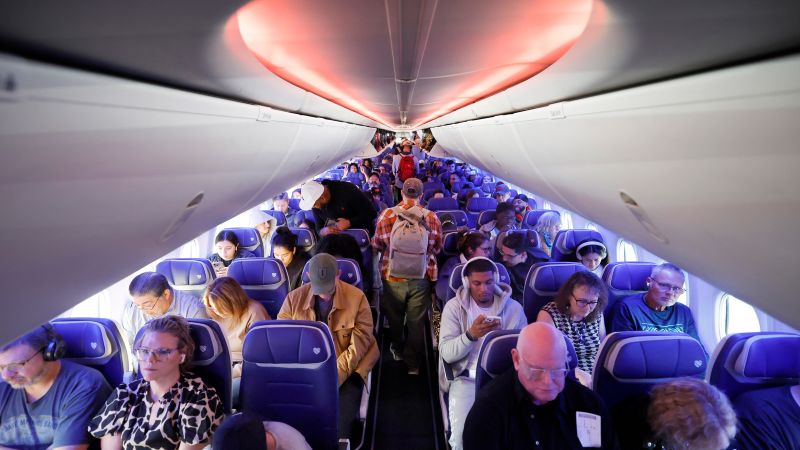
The Invisible Decisions Behind Your Airplane Journey
The invisible decisions already made about – Every time you step onto a plane, the aircraft you’ll be aboard and the path you’ll follow are determined by decisions orchestrated by a single individual, supported by a team of specialists. These choices, often unseen by passengers, shape the logistics of air travel, from route planning to fleet allocation. At the heart of this complex process is the chief planning officer—a critical figure in major airlines who manages the intricate web of operations that keep flights running smoothly. In times of crisis, such as the current surge in fuel costs, their role becomes even more pivotal, as they navigate the challenges of cutting services while maintaining safety and efficiency.
The Chief Planning Officer: A Hidden Architect of Air Travel
The chief planning officer (CPO) is a strategic leader whose decisions influence everything from the number of seats on a plane to the destinations it serves. This role requires balancing multiple priorities, including cost-effectiveness, passenger demand, and regulatory compliance. With rising jet fuel prices forcing airlines to streamline operations, the CPO’s expertise is essential in crafting routes that maximize profitability while ensuring reliable service. Their work is a blend of data analysis, market trends, and real-time adjustments, often making split-second choices that impact thousands of travelers.
The Evolution of Flight Attendant Roles
Meanwhile, in the cabin, flight attendants remain the frontline representatives of the airline, managing everything from safety protocols to passenger interactions. Their responsibilities have evolved significantly over the decades, especially as the industry faces new challenges. Joan Prince Crandall, a veteran flight attendant with Delta Air Lines, is preparing to retire after 66 years of service. She describes the job as “harder, it’s longer,” reflecting the demands of modern aviation. From handling unruly passengers to ensuring in-flight comfort, their role is as vital as ever, even as airlines adapt to changing conditions.
“
The job – it’s harder, it’s longer,” says Joan Prince Crandall, who has spent over six decades serving Delta Air Lines. As she prepares for retirement, she recalls how the industry has transformed, yet the emotional bond with colleagues and travelers remains its most enduring legacy.
Behind the Scenes of the Travel World
While the skies are filled with stories of travel, there are hidden narratives shaping the journeys we take. From the planning of flights to the cultural landmarks that draw crowds, each element of the travel experience is carefully curated. For instance, as America approaches the 250th anniversary of the Declaration of Independence, a new CNN series titled “This Land” explores the nation’s expansion across the continent. The series traces key moments, such as the Louisiana Purchase and the growth of New York City, to reveal how ambition, conflict, and power reshaped the American map.
The Centennial of Route 66
Amid these historical reflections, another milestone is celebrated: the 100th anniversary of Route 66, America’s iconic highway. This 2,000-mile route, often seen as a symbol of freedom and adventure, continues to captivate travelers. For six essential stops along this historic path, enthusiasts can explore its legacy while savoring the spirit of cross-country exploration.
The Corn Vendor Phenomenon in Istanbul
In a city known for its landmarks, a simple corn vendor has become a magnet for tourists. Alper Temel, who has operated his family’s street food stall in Istanbul for seven years, recently gained unexpected fame after videos of his striking appearance went viral. CNN’s Leroy Ah Ben investigated why crowds now flock to his stall, often surpassing the number of visitors at famous sites like the Hagia Sophia. Temel’s charm and the nostalgic allure of traditional fare have transformed his modest business into a social media sensation.
“
Why are tourists crossing the city to snatch a selfie with him? It’s not just the food—it’s the story he represents,” explains Leroy Ah Ben, who visited the vendor’s stall and documented its rise in popularity.
From Balconies to Pop-Ups: Unique Dining Experiences
Unconventional dining spots are also gaining traction. In Norway, a pizza restaurant located three stories above street level has become a hotspot for foodies. Petter Gran, a resident of Oslo, runs this pop-up operation using a basket to deliver orders from his balcony. Open just two hours a week and operating for 16 weeks annually, the setup relies heavily on social media to notify customers of its limited availability. This innovative approach highlights how technology is redefining the way people access food and experiences.
Capturing the Essence of Travel in Paris
Paris, a city rich in culture and history, often poses challenges for tourists eager to avoid clichés. CNN’s Saskya Vandoorne offers expert advice on navigating the city like a local, steering clear of overused attractions. From the Eiffel Tower to the Seine River, the guide highlights lesser-known gems such as a fight cage, a presidential library, and a vibrant cultural festival. These hidden spots provide a fresh perspective on the city, allowing visitors to experience its essence beyond the typical tourist trail.
Reviving Tradition: Poland’s “Highway to Hel” Bus Route
Even in unexpected places, travel traditions are being revived. Poland has reintroduced its “Highway to Hel” bus route, a nostalgic service that will operate once daily throughout the summer. The name, derived from a phrase meaning “towards the sea,” nods to the route’s historical significance. This revival underscores the enduring appeal of classic travel experiences, blending heritage with modern convenience.
From the Mountains to the Skies: A Survivor’s Tale
High on Mount Everest, a miraculous survival story has captured global attention. A Sherpa guide, missing for a week, was recently found alive after a harrowing ordeal. This incident highlights the resilience and dedication of those who work in extreme environments, reminding us of the risks and rewards inherent in travel. The tale also raises questions about how such events influence the perception of adventure and the airline industry’s role in supporting such journeys.
Reviving the Spirit of Pan Am
In a separate narrative, the question of whether a legendary airline can be brought back to life has sparked debate. Pan Am, once a symbol of American aviation glory, is now at the center of discussions about its revival. While the airline has been defunct for decades, its legacy lives on through stories of its golden era. This curiosity about the past reflects a broader desire to reconnect with the history of travel, even as modern airlines prioritize efficiency over nostalgia.
As the travel world continues to evolve, the behind-the-scenes decisions that shape our journeys remain as critical as ever. Whether it’s the strategic planning of flights, the personal stories of those who work in the industry, or the cultural landmarks that draw millions, each element contributes to the larger tapestry of exploration. These invisible choices, made by individuals and teams, ensure that our travels are not just about reaching a destination, but about experiencing the world in unique and meaningful ways.
