
The world’s most livable city for 2026 has been revealed
The World’s Most Livable City for 2026 Has Been Revealed
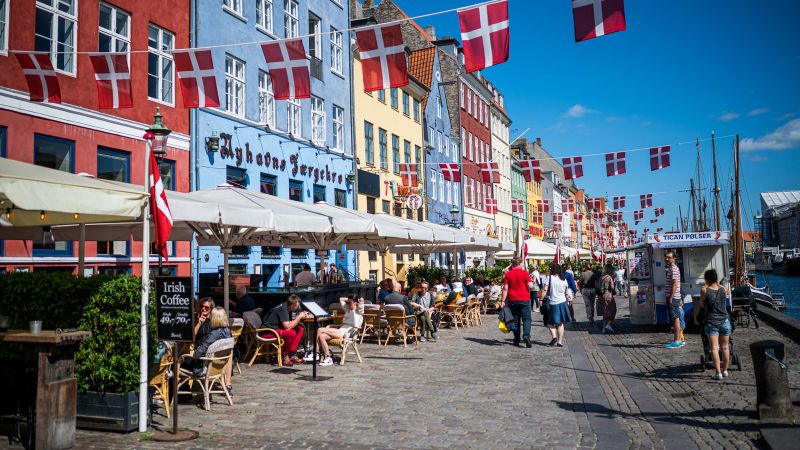
The world s most livable city – In an era marked by rapid global transformation, certain metrics remain consistent, offering a reliable benchmark for evaluating urban living conditions. The Economist Intelligence Unit (EIU) has once again published its annual livability ranking, with Copenhagen emerging as the top city for the second consecutive year. This Nordic metropolis, known for its progressive policies and sustainable lifestyle, has maintained its position despite shifting geopolitical and economic dynamics. The EIU’s report, released on Tuesday, highlights a dynamic snapshot of urban environments across 173 cities worldwide, assessing factors such as education, stability, healthcare, infrastructure, and cultural appeal.
Copenhagen’s Continued Dominance
The Danish capital’s victory in the 2026 rankings is attributed to its “winning combination of excellent scores in stability, infrastructure, and education,” according to a spokesperson from the EIU. This trio of categories received perfect marks, reinforcing Copenhagen’s reputation as a model for urban development. The city’s commitment to green initiatives, low crime rates, and robust public services has solidified its status as a global leader in quality of life. In contrast, Vienna, which held the top spot for three years prior, dropped to second place, though it remains a top contender in Europe.
Meanwhile, New York City saw a notable rise in its global ranking, moving up three positions to 66th place. This improvement is tied to enhanced stability scores, driven by a decline in crime and reduced perceived risks of terrorist incidents. For American readers, the updated list reveals that Honolulu, despite losing two spots, still holds the highest rank among U.S. cities at 25th. Vancouver, on the other hand, is the sole North American city in the top 10, securing 9th position with its strong environmental policies and cultural vibrancy.
Regional Shifts and Global Trends
Asia’s growing influence in the livability rankings is evident, with the region’s average score increasing by 0.3 to 73.9. This uptick is largely due to advancements in healthcare systems, particularly in Chinese cities like Fuzhou, which climbed seven places to 93rd. The EIU noted that nationwide improvements in funding and new initiatives, such as long-term care insurance, contributed to this progress. In contrast, Western Europe’s average score dipped slightly to 91.7, reflecting ongoing challenges in maintaining stability and addressing social disparities.
Interestingly, the global average livability score remained unchanged from the previous year, as declines in stability across the Middle East were offset by healthcare gains in Asia. This balance highlights the interconnected nature of urban rankings, where regional conflicts and policy shifts have measurable impacts. For instance, the war with Iran has led to a marked deterioration in the stability scores of Gulf region cities, resulting in significant drops for Muscat and Kuwait City. Muscat, the capital of Oman, fell 14 places to 123rd, while Kuwait City dropped 12 spots to 105th, underscoring the vulnerability of cities to geopolitical tensions.
Changes in the Top 10
Among the top 10, Melbourne rose one position to third, while Sydney made a more dramatic leap, moving from sixth to fourth. These shifts reflect broader improvements in Australia’s urban ecosystems, emphasizing their focus on quality education and public health. Zurich, Switzerland, which tied with Vienna in second place last year, slid three spots to fifth, while Geneva remained steady at sixth. The once-unchallenged dominance of Western European cities is now tempered by competition from Asian metropolises.
Japan’s Osaka retained its seventh-place ranking, and Adelaide, Australia, followed at eighth. Tokyo, the country’s capital, secured 10th position, maintaining its reputation as a highly livable city. The presence of nine Asian cities in the top 20—alongside seven European cities—marks a significant evolution in the report’s regional representation. This trend suggests that cities in Asia are increasingly vying for global prominence in livability metrics.
Bottom of the List: Challenges and Concerns
At the lower end of the spectrum, Damascus, Syria, continues to occupy the least livable city title, a position it has held for several years. However, the rankings have seen a notable shake-up at the bottom, with Tehran, Iran, plummeting to 164th due to the war’s impact on its stability and security. Kyiv, Ukraine, also fell sharply to 166th, further illustrating the ripple effects of conflict on urban livability.
“The average livability score globally is the same as last year, because the stability declines in the Middle East and healthcare improvements in Asia offset each other across the 173 cities,” explained Ana Nicholls, industry director at the EIU. This equilibrium between regional challenges and progress underscores the complexity of assessing livability in an interconnected world. The report serves as a reminder that while some cities thrive despite adversity, others face setbacks that resonate globally.
The EIU’s methodology, which combines data from multiple sources, ensures a comprehensive evaluation of urban environments. By analyzing factors like access to education and cultural opportunities, the rankings provide a nuanced view of what makes a city truly livable. The 2026 list not only celebrates Copenhagen’s sustained excellence but also highlights the resilience of cities like New York and the transformative potential of urban policies in Asia. As the world continues to evolve, these rankings offer a valuable lens through which to understand the shifting priorities of global urban life.
For context, the top 10 cities in 2026 are as follows: 1. Copenhagen, Denmark; 2. Vienna, Austria; 3. Melbourne, Australia; 4. Sydney, Australia; 5. Zurich, Switzerland; 6. Geneva, Switzerland; 7. Osaka, Japan; 8. Adelaide, Australia; 9. Vancouver, Canada; 10. Tokyo, Japan. This list reflects a blend of traditional leaders and emerging contenders, painting a picture of cities that balance innovation with tradition to enhance quality of life.
