
These are the world’s best cities for food, according to Time Out
Top Food Cities of 2026
These are the world s best – For many travelers, the decision to visit a city often centers on its cultural and sensory experiences. While some prioritize historical landmarks or scenic natural vistas, others are captivated by the culinary diversity that defines a destination. The art of sampling local flavors not only satisfies hunger but also immerses visitors in the essence of a place. To simplify the search for the world’s most food-forward cities, Time Out has unveiled a comprehensive ranking. This list, based on extensive research and input from locals, highlights the cities where gastronomy is more than a pastime—it’s a defining feature.
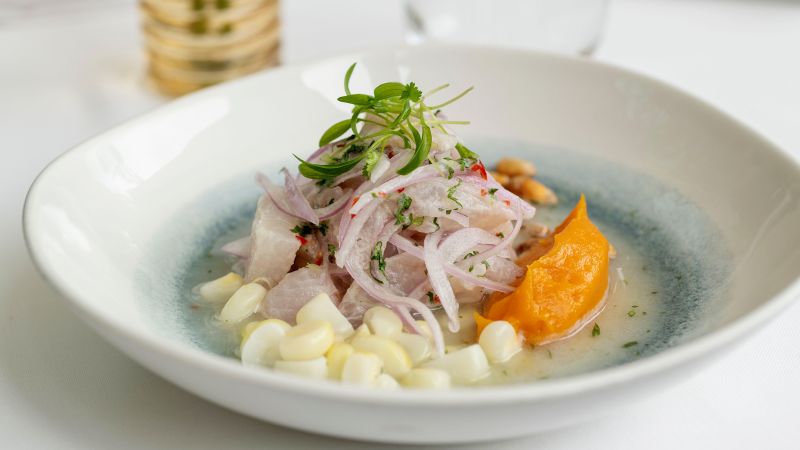
Leading the rankings is Lima, Peru, a city that has long been hailed as the epicenter of Latin American cuisine. Its coastal location has nurtured a tradition of seafood excellence, with dishes like ceviche and causa Limeña becoming staples. Ceviche, a zesty combination of fresh fish, citrus, and spices, is a testament to the city’s coastal heritage, while causa Limeña, a refined cold potato dish layered with avocado and ají amarillo, showcases the sophistication of its culinary scene. Notably, Lima also secures the title of the most budget-friendly city for dining, ensuring that its rich gastronomy is accessible to all visitors.
Time Out’s methodology involved evaluating 24,000 residents across 150 global cities. Participants were asked to assess restaurant quality, food affordability, and the vibrancy of local culinary traditions. The final list features the highest-ranked city from each country, emphasizing not just current trends but also historical significance. “These cities aren’t just about trendy spots today,” explains Virginia Gil, USA Editor at Time Out. “They’ve shaped global eating habits for generations through their ingredients, cuisines, and cultural narratives.”
Methodology Behind the Rankings
The rankings were determined by analyzing responses from 24,000 locals, who shared insights on dining experiences, affordability, and the city’s food culture. Time Out’s editorial team evaluated the data, focusing on how each city contributes to the global culinary conversation. The criteria included the availability of high-quality eateries, the diversity of food options, and the depth of traditional dishes. The result is a list that reflects both present-day appeal and enduring influence.
Bangkok, Thailand: Street Food Haven
Second place in the rankings goes to Bangkok, Thailand, where street food culture reaches unparalleled heights. The city’s bustling markets and open-air vendors offer an array of flavors, from sweet mango sticky rice to fiery som tam. Iconic dishes such as pad thai and satay are often available for under $5, making it a paradise for budget-conscious foodies. Bangkok’s reputation as a street food capital has been solidified over decades, drawing travelers eager to explore its vibrant and affordable culinary scene.
Mexico City: A Fusion of Tradition and Innovation
Mexico City, the third on the list, is a dynamic hub where ancient culinary roots meet modern creativity. From the smoky aroma of street tacos to the refined elegance of Michelin-starred restaurants, the city offers a kaleidoscope of flavors. The taco al pastor, a beloved dish featuring marinated pork and pineapple, is prominently featured along Lorenzo Boturini, a 12-block stretch known as the taco corridor. This area, with its clusters of street vendors and family-run stalls, embodies the city’s commitment to preserving and celebrating its gastronomic heritage.
London: Global Culinary Mosaic
London, ranked fourth, stands out for its eclectic food scene that mirrors its status as a cultural melting pot. The city’s restaurants and markets are a gateway to cuisines from every corner of the world, from British classics like fish and chips to global staples such as Japanese sushi and Ethiopian injera. Borough Market, one of the oldest food markets in the UK dating back to the 12th century, remains a must-visit for those seeking artisanal and diverse dining options. London’s top score in restaurant quality underscores its reputation as a gastronomic capital.
Barcelona, Spain: Mediterranean Flavors
Barcelona, Spain, rounds out the top five, celebrated for its deep connection to Mediterranean cuisine. The city’s food traditions are rooted in its history as a hub for trade and cultural exchange, resulting in a rich tapestry of flavors. From tapas bars to seafood markets, Barcelona’s culinary identity is shaped by its coastal location and historical influences. Local favorites like pa amb tomàquet (tomato and olive bread) and patatas bravas (spicy potato salad) highlight the region’s ability to blend simplicity with sophistication.
Notable Mentions
While the top five cities dominate the list, other destinations also shine. New York City, the highest-ranked in the United States, reflects the city’s immigrant legacy through its diverse food offerings. From New York-style pizza to bagels and pastrami, the city’s culinary landscape is a testament to its role as a global crossroads. This connection between food and migration is a recurring theme in the rankings, as noted by Virginia Gil. “Each city’s food culture is a story of movement, adaptation, and tradition,” she observes. “Migration patterns have introduced new ingredients and techniques, shaping the gastronomic identity of places like New York.”
Did Spain invent pizza before Italy? José Andrés, a renowned chef and restaurateur, argues that the answer lies in the evolution of culinary traditions. His comments highlight how the rankings recognize cities that have influenced global food trends, whether through historical recipes or modern innovations. This perspective reinforces the idea that the list isn’t just about where to eat today but where to discover the origins of beloved dishes.
Conclusion
Time Out’s rankings serve as a guide for travelers seeking cities where food is a central part of the experience. Each entry on the list offers a unique blend of affordability, quality, and cultural depth. Whether it’s the seafood-driven cuisine of Lima, the street food abundance of Bangkok, or the Mediterranean heritage of Barcelona, these cities exemplify how gastronomy can define a destination. As Gil emphasizes, the true value of a food city lies in its ability to inspire and sustain a global appreciation for its culinary offerings.
“The cities on this list are more than just dining destinations—they are places where food traditions have evolved and influenced the world.”
