
A judge orders ICE to free a Wisconsin mosque leader, citing a ‘substantial’ free speech claim
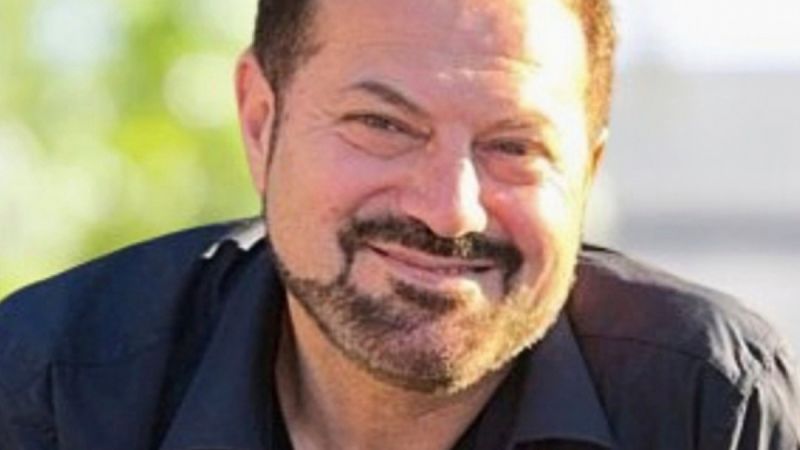
Judge Orders ICE to Free Wisconsin Mosque Leader, Citing Free Speech Concerns
A judge orders ICE to free Salah Sarsour, the president of Milwaukee’s largest mosque, from detention after ruling his advocacy on Palestinian rights constituted a “substantial” free speech claim. The decision came on Thursday, as the court found that Sarsour’s arrest was motivated by his vocal support for Palestinian causes. This ruling highlights the tension between immigration enforcement and the constitutional rights of lawful residents, particularly those who are active in public discourse.
Detention and Legal Proceedings
Sarsour, a legal permanent resident since the 1990s, was detained by ICE on March 30. The government argued that his activism posed a threat to U.S. foreign policy, but his attorneys emphasized that his arrest was retaliation for his political expression. US District Judge James Patrick Hanlon, appointed by former President Donald Trump in 2018, ruled that the agencies failed to justify his detention with adequate evidence, citing the First Amendment protections.
“The government’s claim of foreign policy risk doesn’t override the free speech rights of someone who has lived in the U.S. for over 30 years,” Hanlon stated. The judge noted that Sarsour’s legal residency status meant he should not be subjected to arbitrary detention without a clear justification. His immediate release allowed him to return to his Milwaukee home, though his case will continue in immigration court.
Health and Family Impact
Sarsour’s release followed his 80-day stay in an Indiana county jail, during which his health deteriorated due to Type 2 diabetes. His legal team argued that inadequate medical care, including monthly blood sugar checks, endangered his life. The family expressed relief, with Kareem Sarsour, one of his sons, calling him “a voice for the voiceless” and emphasizing the emotional toll of his detention.
“For 80 days, I couldn’t breathe fresh air or take care of my health properly,” Sarsour said. “This case is a reminder that free speech is under threat, and we must fight to protect it.”
Constitutional Rights and Government Arguments
The government’s case against Sarsour hinged on his Israeli convictions, which they claimed justified his detention. However, Hanlon’s ruling underscored that non-citizens are entitled to the same constitutional safeguards as citizens. “Free speech rights apply to all individuals, regardless of their immigration status,” the judge added, highlighting Sarsour’s long-standing ties to the U.S. and his family’s American citizenship.
Despite his past convictions in Israel, the government had not previously labeled him a threat. Hanlon noted that Sarsour’s naturalization eligibility was reviewed multiple times over the past 25 years, with no prior concerns raised. This timeline suggests the detention was recent and possibly linked to current political climate, raising questions about the consistency of immigration enforcement.
Broader Implications for Immigration Policy
The case has sparked broader debates about ICE’s practices and the treatment of detainees. Sarsour’s legal team argues that his release serves as a “sober reminder” of the need for fair treatment in immigration proceedings. Meanwhile, the Department of Homeland Security defended the decision, stating that Sarsour was a “terrorist” with a history of throwing Molotov cocktails in Israel.
However, investigative reports by KFF Health News and the Associated Press reveal that hundreds of detainees across 33 states have filed similar lawsuits over inadequate medical care. These findings suggest a systemic issue, with individuals like Sarsour being disproportionately affected by delayed or insufficient healthcare during detention.
Political Context and Legal Precedents
Sarsour’s arrest in 2026 follows a long-standing pattern of ICE targeting individuals for their political views. His legal team pointed out that the U.S. government had been aware of his Israeli convictions since 1995, yet his detention was sudden and without prior warning. This highlights the potential for ICE to use immigration status as a tool to suppress free speech in alignment with foreign policy goals.
With the judge orders ICE to free Sarsour, the case may set a precedent for future detainees. Advocacy groups are closely watching the ruling, as it could influence how immigration authorities handle similar cases. The decision also reinforces the importance of due process in ensuring that free speech rights are not sidelined in detention decisions.
