
Baby Haaland in Peru: newborns take names of World Cup stars
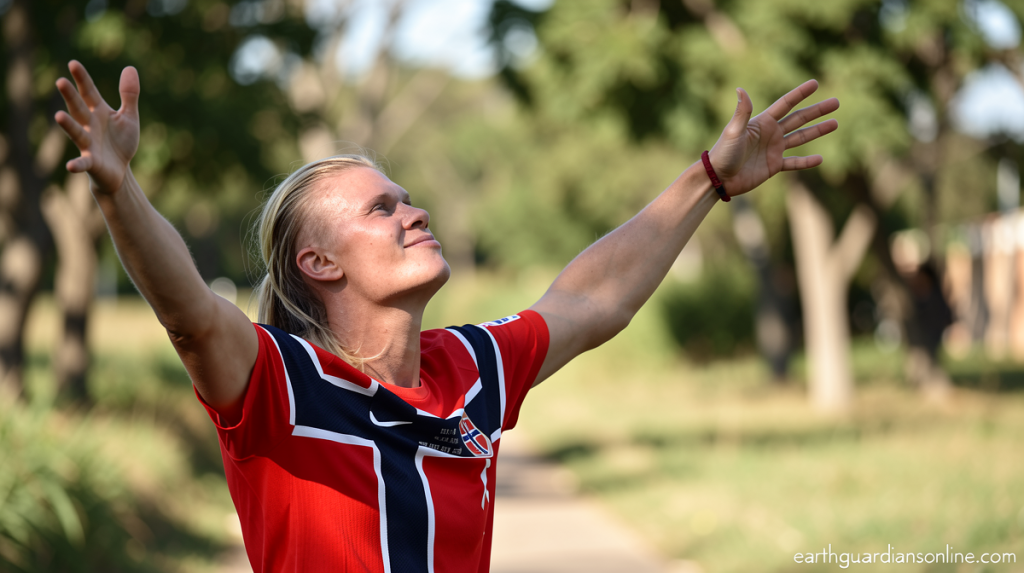
World Cup Fever Sparks Naming Trends Across Latin America
Baby Haaland in Peru – A remarkable cultural phenomenon has emerged throughout Latin America as parents celebrate the global soccer tournament by naming their children after celebrated athletes. From Peru to Argentina and Mexico, newborns are receiving monikers inspired by the competition’s most prominent figures, creating a generation of future football enthusiasts. The trend of Baby Haaland in Peru has become particularly notable, capturing media attention and social media conversations across the region.
Peru Embraces the Norwegian Star
Peru has experienced an extraordinary surge in babies named Haaland, with hundreds of newborns honoring Norway’s prolific striker. According to Ivan Torres, a spokesperson for Peru’s civil registry RENIEC, the name has become so popular that he declared “Haaland is now Peruvian too.” The registry reported that approximately 30,000 Peruvians bear the names of legacy icons including Lionel Messi, Brazil’s Neymar, and Portugal’s Cristiano Ronaldo. This surge in Baby Haaland in Peru represents a significant shift in naming patterns, with the Norwegian name joining traditional Latin American favorites.
One particularly unique case involved a newborn simply christened “Mundial,” utilizing the Spanish shorthand for the World Cup tournament. This naming trend is especially notable given that Peru failed to qualify for this year’s competition. Many Latin American supporters whose national teams either did not participate or were eliminated have chosen to rally behind Norway rather than Argentina, which some perceive as overly Eurocentric in its approach. Norway’s impressive journey to the quarter-finals, fueled by Haaland’s goal-scoring prowess and characterized by their distinctive “Viking row” celebrations, has attracted devoted followers across the region. The phenomenon of Baby Haaland in Peru continues to grow as more families embrace this international connection.
Mexico’s Triple Tribute
In Mexico, which shared hosting duties alongside the United States and Canada, a photograph of a birth certificate captured widespread attention on social media platforms. The document revealed a baby girl bearing the remarkable name Quiñona Ysisidra Morita Haaland Guevara. This elaborate moniker pays homage to Mexican football talents Julián Quiñones and Gilberto Mora, while simultaneously acknowledging the Norwegian forward. The combination of local and international influences in this name reflects the broader trend seen in Baby Haaland in Peru and other Latin American countries.
The name Ysisidra represents a creative adaptation of “Y si sí?”—a spirited expression meaning “What if?” that Mexican supporters chanted enthusiastically throughout their campaign until elimination by England in the round of sixteen. Officials from Mexico’s governance secretariat have yet to confirm whether the certificate is genuine. Despite this uncertainty, the image has become iconic, symbolizing the passion and creativity that Latin American families bring to naming their children during major sporting events.
Argentina’s Homegrown Heroes
Argentina’s success on the pitch has influenced naming patterns in the northeastern province of Salta. Local authorities reported that Enzo, Emiliano, and Lionel ranked among the most popular boy names during the week preceding the championship match. The Argentine squad competing in Sunday’s final features midfielder Enzo Fernandez, goalkeeper Emiliano “Dibu” Martinez, and team captain Messi. While Argentina’s own stars dominate local naming trends, the influence of international players like Haaland can be seen in Baby Haaland in Peru and neighboring countries, showing how global football transcends borders.
A Historical Tradition
Fabiola Molina, host of the Mexico City podcast “Sin manual para padres” (No manual for parents), explained that this phenomenon extends beyond recent tournaments. She noted that naming children after sports stars dates back to Diego Maradona’s legendary “Hand of God” goal against England in 1986. The trend also encompasses pop culture influences, as Molina observed that many women named their sons Kevin and Brian during the Backstreet Boys’ peak popularity, resulting in numerous Brian Gonzalezes across Bolivia, Chile, and Argentina.
“It’s funny, but it could also be prejudicial to children when they grow up,” Molina cautioned. “Just because your name is Messi or Lionel, it doesn’t mean you’ll grow up to be a good soccer player — destiny won’t carve that out for you.”
This enduring tradition demonstrates how sporting achievements continue to shape cultural identity and family naming conventions throughout Latin America, creating lasting connections between generations and the athletes who inspire them. Whether it’s Baby Haaland in Peru or children named after local heroes, these names carry the hopes and dreams of families who see their children’s futures reflected in the stars of the sporting world.
