
Bari Weiss and the CBS cloud hanging over the Paramount-Warner Bros. merger
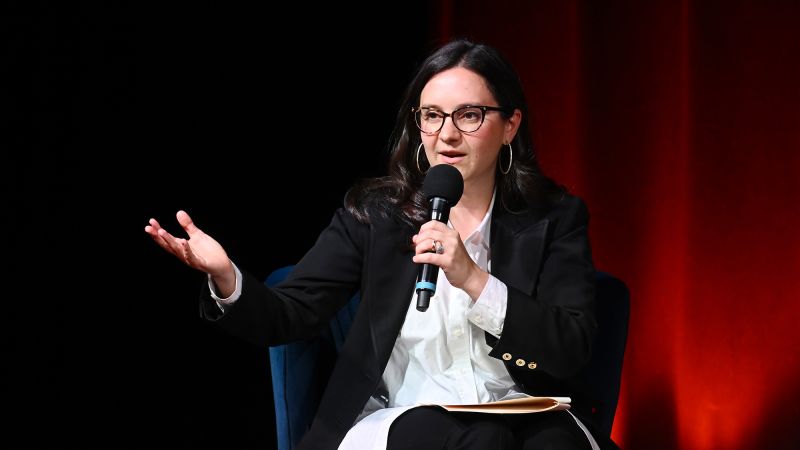
Bari Weiss and the CBS cloud hanging over the Paramount-Warner Bros. merger
The Controversy at CBS News and Its Impact on the Merger
Bari Weiss and the CBS cloud – This piece initially published in the “Reliable Sources” newsletter. Sign up for free here. The recent upheaval at CBS News has sparked questions about its influence on the Paramount-Warner Bros. Discovery (WBD) merger, though the connection remains indirect. While the news of CBS’s struggles does not immediately threaten the merger’s approval, it has raised concerns about the media outlet’s role in shaping public perception of the deal. Paramount CEO David Ellison now faces a new challenge: Is Bari Weiss, the influential editor, becoming an obstacle to the consolidation of media power?
Scott Pelley’s recent “CBS News is on fire” interview, aired shortly after his firing from “60 Minutes,” has intensified scrutiny. The episode, which highlighted internal strife at CBS, has become a focal point for critics. Headlines like the one from the Financial Times—“Inside the CBS mutiny against Bari Weiss and David Ellison”—underscore the growing tension. Meanwhile, the Los Angeles Times noted that “In Hollywood, image is everything. And David Ellison has an image problem,” linking the CEO’s reputation to the merger’s fate.
“Legally speaking, it doesn’t matter,” an executive involved in the mega-merger said on condition of anonymity. “But PR-wise, it might matter.”
Merger opponents, including progressive groups, are leveraging these controversies to challenge the deal. The Freedom of the Press Foundation recently stated, “The same Trump billionaire buddy behind the CBS MAGA makeover is now coming for CNN.” This remark ties the Trump administration’s influence to the CBS leadership, suggesting that the network’s alignment with right-wing politics could undermine the merger’s credibility. Critics argue that Bari Weiss’s presence at CBS News reflects a broader political strategy, potentially fueling perceptions of bias.
The Political and Antitrust Dynamics of the Merger
The Trump administration’s stance on the merger remains a key factor, with some analysts believing the deal was already destined to pass. However, the controversies at CBS News have created a different narrative. A cynic might argue that the shake-up at “60 Minutes” aligns with the administration’s goals, as it highlights a shift in media direction. Scott Pelley, in an interview with New York Times journalist Lulu Garcia-Navarro, claimed that Weiss has been “putting a thumb on the scale” in favor of the Trump agenda. A CBS News spokesperson dismissed this argument as not credible.
State-level resistance, however, remains a wildcard. A group of Democratic attorneys general, including California’s Rob Bonta, is preparing to challenge the merger in court. The Los Angeles Times reported that the lawsuit would target the deal on antitrust grounds, alleging it would stifle competition, reduce wages, and cause job losses. Bonta and others, like New York’s Letitia James, are seeking reelection this fall, and the Democratic base is eager to see candidates criticize Trump’s policies. In this context, the Paramount-WBD merger has become a political battleground.
Global Implications and Market Reactions
While the U.S. state-level opposition poses a risk, the European Union regulators also hold the power to delay or block the merger. Bloomberg’s Samuel Stolton highlighted that the EU has a July 7 deadline to either approve the deal or initiate an in-depth review. One potential concession from Paramount is the divestment of certain children’s TV assets, such as Cartoon Network, to secure approval. This move, though minor, symbolizes the high stakes involved in the merger, which feels almost existential for both parties.
Market reactions have mirrored these uncertainties. Paramount’s stock dipped below $10 following reports of the impending state-level lawsuit, despite some recovery on Monday. Analysts at Raymond James remain cautiously optimistic, stating, “We still believe the deal is likely to close, although [third quarter 2026] closing guidance seems aggressive.” A Paramount spokesperson defended the merger on Sunday, emphasizing its benefits: “Opposing this deal means opposing expanded consumer choice, new opportunities for creators and workers, and greater competition throughout the creative ecosystem—exactly what antitrust law is meant to achieve.”
The Uncertainty of Bari Weiss’s Influence
The role of Bari Weiss at CBS News remains a subject of debate. Some view her as a catalyst for ideological change, while others argue she is a political pawn. The “Bari Weiss experiment,” as one commentator described, is unclear in its purpose and outcomes. Critics charge that her leadership has prioritized political alignment over journalistic integrity, creating friction within the network. Yet, CBS News has not fully embraced the MAGA label, despite the controversies, leaving progressive voters to question the broader implications of the merger.
As the merger approaches its final stages, the interplay between CBS News’s internal struggles and external political forces continues to shape the narrative. The network’s efforts to stabilize “60 Minutes” after Pelley’s departure have been met with mixed reactions, with some calling it a necessary correction and others seeing it as a setback. The question lingered: Does the turmoil at CBS News signal a deeper crisis in the media landscape, or is it a strategic maneuver to realign the organization under a new leadership?
In the end, the success of the Paramount-WBD merger hinges on more than just the political leanings of its executives. It depends on the ability to navigate antitrust concerns, public perception, and the ongoing debates about the role of media in democracy. As the clock ticks toward the EU deadline and state-level lawsuits loom, the answer to whether Bari Weiss has become a distraction remains as unclear as the future of the combined media giant itself.
On CNN Sunday evening, the network’s coverage of the situation prompted a reflection on the evolving dynamics within CBS News. The segment framed the period as “the Bari Weiss experiment,” a term that encapsulates both the hope and the skepticism surrounding her leadership. While some see this as a bold attempt to modernize the network, others view it as a precarious gamble with uncertain results. The larger question is whether the experiment will ultimately strengthen or weaken the foundation of CBS News in the eyes of its audience and the broader media industry.
As the merger’s approval nears, the challenges at CBS News serve as a reminder of the complex forces at play. The network’s internal battles are not just about leadership changes—they are about the direction of a major media institution and the perceptions of its credibility. Whether these controversies will sway the outcome of the WBD deal remains to be seen, but they have certainly added a layer of uncertainty to an already high-stakes transaction.
