
Before and after images: Wildfire smoke casts skylines in dystopian haze
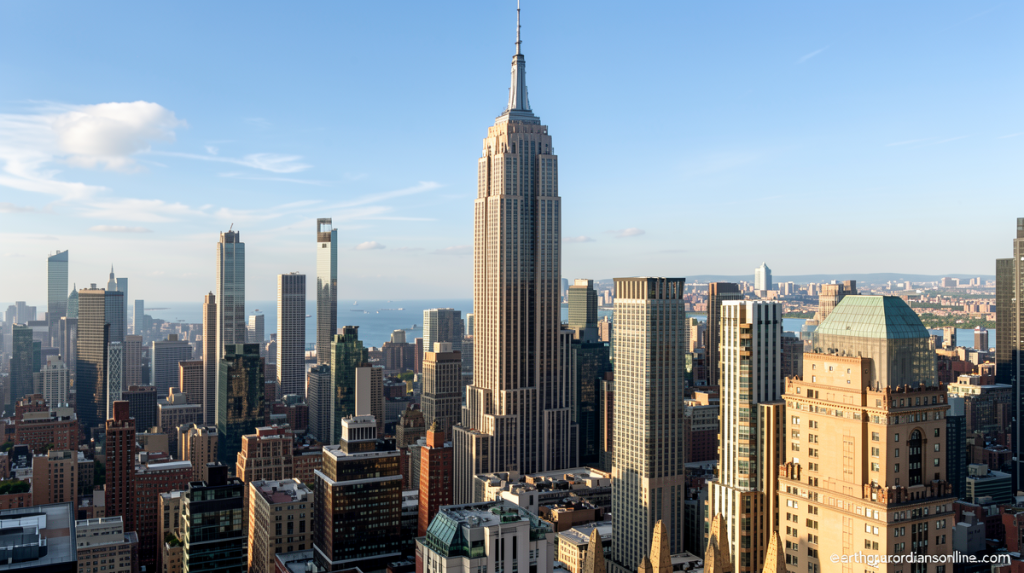
Atmospheric Transformation: Canadian Wildfire Smoke Transforms Eastern U.S. Urban Landscapes
A Continent-Wide Haze Event
Before and after images – Across the northeastern and midwestern United States, residents have witnessed a dramatic alteration of their daily skies as wildfire emissions from Canada have cascaded southward. This atmospheric phenomenon has created what many observers describe as a dystopian quality to urban environments, with thick brown clouds obscuring familiar skylines and reducing visibility in major metropolitan areas. The air quality crisis has unfolded over several days, with different cities experiencing peak conditions at varying times throughout the week.
The smoke plume has been particularly dense, settling close to the ground in many locations and creating a persistent brown-orange tint across the region. This haze has not only affected visual clarity but has also prompted health advisories in several communities as particulate matter levels have risen significantly above normal thresholds.
Regional Impact Timeline
New York City has been grappling with deteriorating air conditions since Wednesday, when the smoke cloud descended and settled near the surface rather than dispersing at higher altitudes. The city’s typically clear blue skies have been replaced by a murky atmosphere that has made outdoor activities uncomfortable for many residents. Health officials have recommended that sensitive populations limit their time outside during peak smoke hours.
Meanwhile, Washington, DC, has experienced a delayed but equally significant impact. For several days, the nation’s capital managed to avoid the worst of the hazardous air conditions that plagued other eastern cities. However, by Friday, a substantial haze had enveloped the District, obscuring monuments and creating a surreal backdrop for daily commutes. The delayed arrival of the smoke in the capital was attributed to shifting wind patterns that gradually pushed the plume southward.
Chicago has emerged as one of the hardest-hit areas in the Midwest, experiencing some of the most severe air quality measurements recorded across the country on Thursday. The city remains shrouded in a persistent smoke cloud that has made the skyline nearly invisible on overcast days. Meteorologists note that the city’s geographic position has made it particularly susceptible to smoke accumulation from multiple wildfire sources.
Midwest and Northeast Transformations
Central Pennsylvania has seen its skies fundamentally altered since Tuesday, with residents reporting a complete change in the character of their local atmosphere. The region, typically known for its green landscapes and clear mountain views, has been transformed into a hazy expanse where distant features disappear into the brown murk.
Minneapolis experienced perhaps the most dramatic visual transformation when the smoke completely swallowed the city’s skyline on Wednesday. The iconic buildings that normally define the urban landscape became ghostly silhouettes against the orange-tinted sky, creating scenes that many locals compared to apocalyptic imagery from science fiction films.
Grand Rapids, Michigan, has also undergone a striking atmospheric change this week. The city’s blue skies have been replaced by a distinctive brown-orange hue that has persisted for several days. This coloration is characteristic of smoke containing high concentrations of organic compounds and particulate matter from burning vegetation.
Broader Climate Context
While this particular smoke event has been intense, it represents a growing pattern of transboundary air quality issues between Canada and the United States. Climate scientists have noted that increasing wildfire frequency and intensity in Canadian forests has led to more frequent smoke incursions into American communities. The phenomenon is expected to become more common as warming temperatures extend fire seasons and increase the likelihood of large-scale blazes.
Residents across the affected regions have been advised to monitor local air quality indices and follow health recommendations as the smoke gradually dissipates. Meteorologists predict that changing wind patterns will eventually help clear the atmosphere, though the timeline varies by location depending on each city’s position relative to the smoke plume’s trajectory.
