Canada won’t see Alberta seceding anytime soon. But what to do with the people who wanted to leave?

Daftar Isi
Canada Won’t See Alberta Secede After Referendum
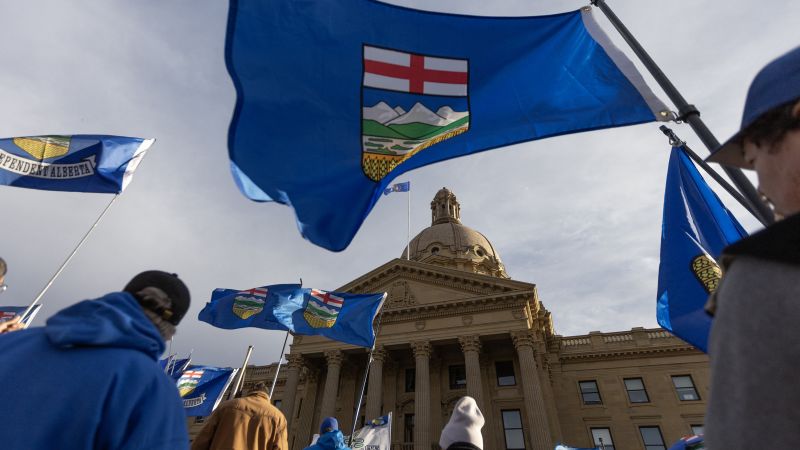
Earthguardiansonline.com – Canada won t see Alberta seceding anytime soon after voters rejected a proposed path toward independence by about three votes to one. The preliminary referendum result means Alberta will not move to a second, binding vote on leaving Canada, keeping the province within Confederation for the foreseeable future.
But the campaign exposed a substantial separatist constituency. More than 500,000 Albertans, roughly one-quarter of voters, supported taking the next formal step toward a binding independence referendum. Their side lost decisively, yet that level of support suggests the political debate will continue.
A decisive vote against independence
The referendum did not ask Albertans to create a new country immediately. Instead, it asked whether the province should advance to a binding vote on secession. Voters rejected even that preliminary move, demonstrating the limits of the independence movement at this moment.
Cory Morgan, who created the Alberta Independence Party in 2000, said the outcome showed that Albertans were not prepared to separate.
“The movement just isn’t ready, to be blunt,” Morgan said.
Even so, Morgan viewed the more than 500,000 votes for the proposal as a base for future organizing. Canada won t see Alberta leave soon, but supporters of the idea are unlikely to abandon it simply because this referendum failed.
“This was a solid base that said they’re ready to look at that option,” Morgan said. “And it’s not going away.”
Separatist activist Jeffrey Rath offered a more positive assessment, arguing that a relatively new political movement had still succeeded in mobilizing a meaningful portion of the electorate.
“We don’t see this as a setback,” Rath said Tuesday. “For a fledgling political movement, it was a major accomplishment and a hell of a victory.”
Where separatist voters may turn next
University of Alberta political scientist Jared Wesley said voters attracted to the separatist campaign may remain politically active even if independence is no longer their immediate priority. He supported Alberta remaining in Canada and described separatism as part of a broader political movement.
“Separatism may have been rejected in Alberta, but they’ll move onto something else,” Wesley said. “Alberta separatism is only one element of a much broader, far-right populist movement in Canada.”
The ballot offered clues about possible future issues. Alongside the independence question, Albertans considered five non-binding referendum questions related to immigration. They included proposals for increased provincial control over immigration matters and for requiring voters to show proof of citizenship. Preliminary results indicated that all five measures passed.
Those non-binding questions do not themselves alter constitutional arrangements or create new provincial powers. Still, they could offer organizers issues that draw wider support than a direct push for secession. Canada won t see Alberta become independent now, but provincial autonomy, immigration and voting rules may remain prominent political arguments.
“Alberta separatists have far more in common with the MAGA movement than they do with secessionist movements across the globe,” Wesley said. “They may lose on one issue, but they don’t go away. They adapt. They find another issue, and they seem to have found one on immigration.”
U.S. involvement complicated the campaign
Connections with the United States became another challenge for the separatist cause. US Treasury Secretary Scott Bessent and SpaceX founder Elon Musk publicly encouraged the Alberta movement. Several separatists, including Rath, traveled to Washington and met members of the Trump administration while seeking possible support.
Morgan said those ties created mistrust in Alberta, particularly as Canada faced a trade conflict with the United States and President Donald Trump made threats to annex Canada. For some voters, outside encouragement may have made the independence campaign appear less focused on Alberta’s interests.
The referendum result leaves Alberta inside Canada and closes off a binding secession vote for now. It does not, however, settle every source of frustration that helped fuel the movement. The next test will be whether separatist organizers can sustain support through other issues or whether the coalition behind the referendum breaks apart.
Alberta Referendum FAQ
Did Alberta vote to leave Canada?
No. Alberta voters rejected a proposal to proceed to a future binding referendum on leaving Canada. The vote was not an immediate decision to declare independence.
What happens after the referendum?
There will be no second, binding secession vote based on this proposal. Alberta remains part of Canada, while separatist supporters may focus on other political issues, including immigration and provincial autonomy.
Why did immigration questions appear on the ballot?
Albertans also voted on five non-binding immigration-related questions. Preliminary results showed support for all five, signaling that immigration policy could become a major issue for some of the voters who backed the separatist campaign.
Related Reading
Frequently Asked Questions
What is Canada won t see Alberta seceding?
Canada won t see Alberta seceding is the main topic of this guide. The article explains the context, practical details, and next steps readers should understand.
Why does Canada won t see Alberta seceding matter?
Canada won t see Alberta seceding matters because readers are looking for a useful answer, not just a short summary. Good content should match search intent and help them decide what to do next.