
Cuba’s doctors are its biggest soft power export. Several Latin American countries are cutting ties
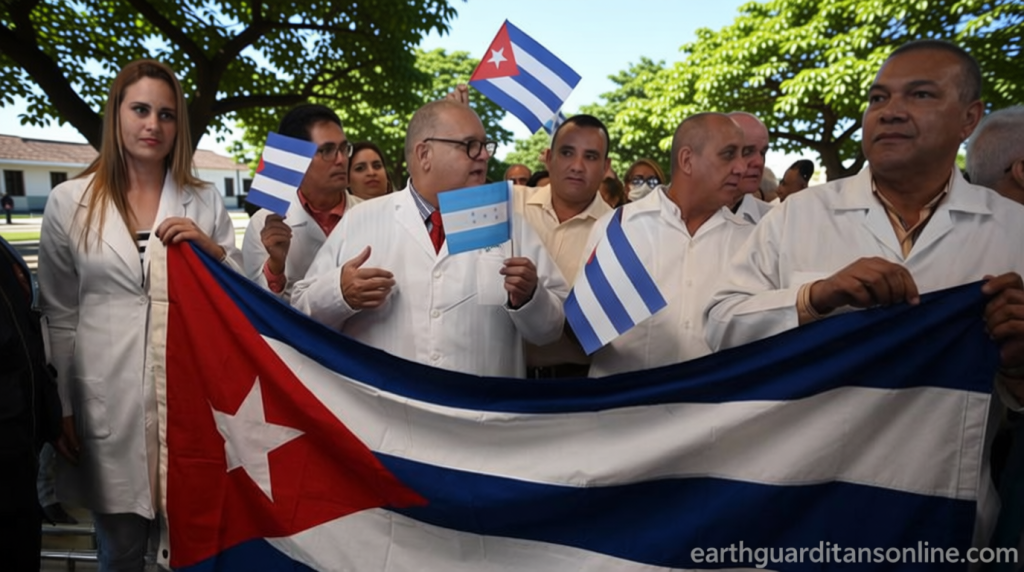
Cuba’s Doctors as Soft Power: Latin American Nations Cut Ties
Cuba s doctors are its biggest – Cuba’s doctors are its biggest asset in the realm of soft power, offering a lifeline to nations in need. For years, the country has exported its medical expertise across Latin America and beyond, building goodwill through healthcare initiatives. However, recent shifts have seen several countries in the region, including Honduras, Jamaica, and Guyana, reconsider their ties to Cuban medical missions. These decisions, driven by concerns over political influence and labor practices, signal a growing challenge to Cuba’s long-standing strategy of using medical aid to project its global reach.
The Cancellation of Cuban Medical Missions
The collapse of partnerships with Cuban medical programs has intensified as governments seek to assert more control over their foreign relations. Honduras, for instance, terminated its agreement with “Mission Miracle,” a Cuban-led initiative that provided critical healthcare services in the country. This move, backed by President Nasry “Tito” Asfura, a right-leaning leader with ties to the U.S. during his 2024 election, highlights the political stakes. The program, which has operated in over 30 countries, is now facing scrutiny as nations question its alignment with local interests.
“Without Cuban doctors, many wouldn’t have access to basic care,” said Hector Zelaya, a patient who had relied on the program for cataract surgery. His experience in Honduras underscores the tangible impact of Cuba’s medical exports, which have become synonymous with global health equity. Yet, as the U.S. and other allies push for more accountability, the model that once fostered trust is now under threat.
Human Rights Concerns and Political Pressure
Cuba’s medical missions have faced growing criticism for their perceived ties to political coercion. A report from the Inter-American Commission on Human Rights highlighted that Cuban doctors in Latin America are often required to promote Havana’s agenda, sometimes at the expense of local autonomy. While the program has provided life-saving care, its structure has been accused of sidelining local professionals and enforcing ideological alignment. These allegations have gained traction as countries like Venezuela and Bolivia, once staunch supporters, begin to distance themselves.
Proponents of the program argue that it has saved countless lives and strengthened regional solidarity. “Cuba’s doctors are its biggest soft power tool,” noted a health official in Guatemala, emphasizing the program’s role in building diplomatic bridges. However, as nations navigate complex geopolitical landscapes, the balance between humanitarian aid and political leverage is increasingly scrutinized. The U.S., under Secretary Marco Rubio, has amplified these concerns, linking Cuban medical efforts to broader human rights debates.
Global Impact and Regional Dilemmas
Despite the challenges, Cuba’s medical missions continue to shape international perceptions. The country’s ability to deploy skilled healthcare workers to underserved areas has made it a key player in global health diplomacy. Yet, the recent decisions by Latin American governments reveal a shifting dynamic. While the program remains vital for communities lacking resources, its political implications are now a focal point of criticism. This tension raises questions about the sustainability of Cuba’s soft power model in an era of heightened scrutiny.
The future of Cuba’s medical exports now hinges on how nations reconcile their reliance on the program with their political goals. For countries like Honduras, where the Cuban clinic was a critical provider of ophthalmology services, the loss of such partnerships could mean long-term healthcare disparities. As the debate continues, the focus keyword remains central to understanding Cuba’s role in global health and its evolving influence on the international stage.
