
Delta flight ‘felt a big bang’ after apparently being hit by firework while landing in Chicago
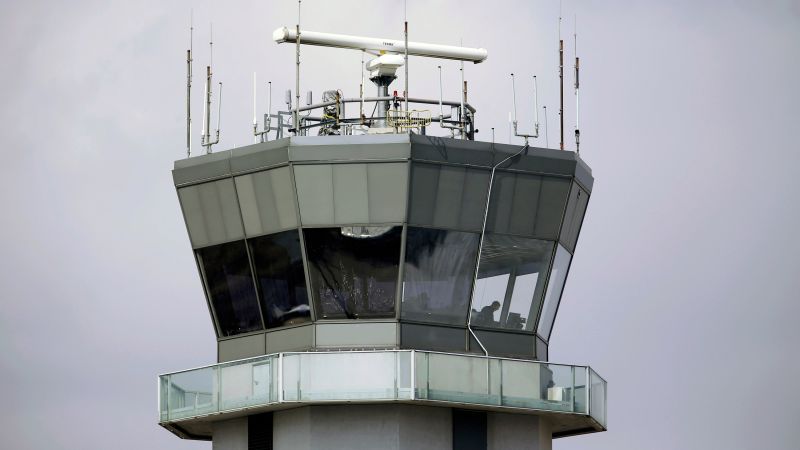
Delta Flight ‘Felt a Big Bang’ After Firework Strike During Landing in Chicago
Delta flight felt a big bang – On Saturday evening, a Delta Air Lines flight experienced an unexpected incident as it approached Chicago Midway International Airport, according to air traffic control recordings and the airline’s statement. The aircraft, Delta Flight 1076, was reported to have been hit by a firework during its descent, raising concerns about the safety of air travel in the vicinity of the airport. The pilot’s account of the event, captured in the audio, highlighted the suddenness of the occurrence and the immediate response required to ensure the plane’s safety.
Initial Report and Crew Actions
When the pilot relayed the situation to air traffic controllers, they described the event with a mix of surprise and caution. “We just had a firework hit our plane,” the pilot said, according to the audio, as the aircraft continued its approach. The pilot added that the plane was flying at 200 feet during the incident, a relatively low altitude for commercial flights, which made the strike particularly unusual. Controllers responded by noting that there had been “multiple reports” of similar incidents, indicating a growing awareness of the potential hazards posed by fireworks during takeoffs and landings.
“We’re just hoping it was just a mortar that went off underneath, but definitely felt a big bang,” the pilot said, emphasizing the force of the impact. The controller then instructed the crew to proceed to the gate for an inspection, underscoring the need for a thorough assessment of the aircraft’s condition.
Firework Altitudes and Risk Context
Consumer fireworks typically reach altitudes between 50 and 200 feet, while larger, professional displays can soar as high as 1,200 feet. This variation in height suggests that the firework in question might have been a small consumer-grade device, yet its proximity to the aircraft was alarming. The incident occurred near the airport, a location where fireworks are often launched during holiday celebrations, particularly on July 4. The timing of the event, coinciding with a popular holiday, added an element of unpredictability to the situation.
While consumer fireworks are generally designed for safety, their placement near runways or taxiways could pose significant risks. Air traffic controllers noted that the incident was not isolated, as multiple reports had been filed about similar occurrences in recent weeks. This highlights a potential pattern of firework-related disruptions to aviation operations, prompting calls for stricter safety measures during peak fireworks seasons.
FAA Investigation and Airport Response
The Federal Aviation Administration (FAA) has launched an investigation to determine the cause of the incident and assess its impact on flight safety. In a statement, the FAA confirmed that Delta Air Lines Flight 1076 landed safely around 8:30 p.m. local time on July 4. “Please contact local authorities and the airline for additional information,” the agency added, emphasizing the need for collaboration between aviation regulators and airport management.
As the Delta flight prepared for its landing, a subsequent Southwest Airlines flight entered the airspace, prompting a controller to issue a lighthearted warning: “Welcome to the war zone.” The Southwest crew responded with a wry comment: “That’s reassuring,” underscoring the humor that sometimes accompanies such unexpected events. Despite the lightheartedness, the situation underscored the seriousness of the risk firefighters and air traffic controllers face during high-traffic periods.
City Officials and Safety Measures
City officials were informed of the incident’s potential impact on air traffic, with one controller noting, “They said they would notify the Chicago police, but you know, I don’t know what they’ll do, right?” This statement reflects the uncertainty surrounding how local authorities will address the growing concern of fireworks interfering with flight operations. The controller’s remarks also highlight the communication challenges between airport personnel and city agencies during such events.
Fireworks are a staple of Chicago’s July 4 celebrations, with thousands of people gathering to enjoy the displays. However, the proximity of these events to the airport has raised questions about the coordination between event organizers and aviation authorities. The FAA’s investigation will likely examine whether the fireworks were launched in compliance with safety regulations or if there was a lapse in communication that contributed to the incident.
Aftermath and Public Reaction
Following the incident, Delta Air Lines released a statement confirming no injuries were reported. The airline also highlighted the plane’s safe landing, which prevented any major disruption to its schedule. Passengers on the flight, however, expressed a mix of concern and curiosity about the event. “I was shocked when I heard the bang,” one passenger said, adding that the aircraft’s movements seemed slightly irregular after the impact.
Experts in aviation safety have weighed in on the event, noting that while firework strikes are rare, they can have serious consequences. “Even a small firework at low altitude can cause damage to an aircraft’s fuselage or wings,” said a spokesperson for the National Transportation Safety Board. The incident has also reignited discussions about the need for stricter regulations on fireworks near airports, particularly during high-traffic hours.
CNN has contacted the Chicago Police Department to gather more details about the incident and the city’s response. Officials are expected to review the situation and determine whether additional measures are necessary to prevent similar occurrences. The FAA’s investigation will focus on the sequence of events, including the placement of fireworks, weather conditions, and the aircraft’s flight path at the time of the strike.
As the aviation industry continues to adapt to new challenges, this incident serves as a reminder of the delicate balance between public celebrations and air safety. While fireworks add to the festive atmosphere, their potential to interfere with aircraft operations requires vigilance and coordination. The Delta flight’s experience has sparked a broader conversation about the risks of celebrating near airports and the importance of proactive safety protocols to mitigate such incidents in the future.
