DRC’s Ebola outbreak may be worst ever, Africa CDC says

DRC’s Ebola Outbreak May Be Worst Ever, Africa CDC Says
DRC s Ebola outbreak may be worst – The growing concern over the Ebola virus in the Democratic Republic of Congo (DRC) has prompted urgent action from Africa’s Centers for Disease Control and Prevention (CDC). Director-General Jean Kaseya emphasized during a virtual gathering of African leaders in Burundi that the current crisis could surpass previous outbreaks in severity, potentially marking the worst in the region’s history. His warning comes as the situation continues to evolve, with the virus spreading rapidly and posing significant challenges to containment efforts.
Historical Outbreaks Provide Critical Context
Reflecting on past epidemics, Kaseya highlighted two pivotal events that shaped the understanding of Ebola’s impact. The 2014-2016 outbreak in West Africa, which spanned Guinea, Liberia, and Sierra Leone, was the largest recorded to date, resulting in over 11,000 fatalities. This epidemic exposed vulnerabilities in global health systems and underscored the need for rapid intervention. In contrast, the 2018 outbreak in the eastern part of the DRC was less deadly, with fewer than 2,000 cases reported. Despite this, the virus’s ability to resurge has kept experts on high alert.
While the 2018 outbreak was contained, the current wave has shown a troubling persistence. Health officials note that the virus is now spreading in areas where previous outbreaks were less severe, suggesting a more virulent strain or improved transmission methods. This development has raised questions about the effectiveness of existing strategies and the potential for the outbreak to escalate beyond control.
Current Tracing Efforts Lag Behind
Africa CDC officials are grappling with the challenge of identifying and monitoring all individuals exposed to the virus. As of the latest reports, thousands of contacts—those who have had direct interaction with infected persons—remain untraced, complicating efforts to isolate cases and prevent further spread. This gap in data has created uncertainty about the true scale of the outbreak and the likelihood of new clusters emerging.
Experts have pointed to several factors contributing to the difficulty in tracking cases. These include limited resources in affected regions, community resistance to health protocols, and the virus’s ability to mutate. Additionally, the dense population in urban centers and the presence of cross-border trade have facilitated its movement beyond the initial epicenter. With these challenges, the outlook for the outbreak remains precarious.
Africa CDC Director Issues Urgent Warning
During the virtual summit, Kaseya stressed the need for immediate and coordinated action. “Failure to contain the outbreak rapidly could result in a scenario more devastating than the 2014-2016 West Africa epidemic or the 2018 outbreak in the eastern part of the DRC,” he stated, underscoring the potential for exponential growth. His remarks were met with concern from fellow leaders, who acknowledged the severity of the crisis and the stakes involved.
The director’s warning is grounded in the current trajectory of the outbreak. With thousands of individuals in close contact with infected persons, the risk of a secondary wave has increased. Health workers have been deployed to high-risk areas, but logistical hurdles such as poor infrastructure and inconsistent reporting have hindered their efforts. Kaseya also called for greater international collaboration, highlighting the role of organizations like the World Health Organization and the CDC in providing critical support.
Global Response to the Escalating Crisis
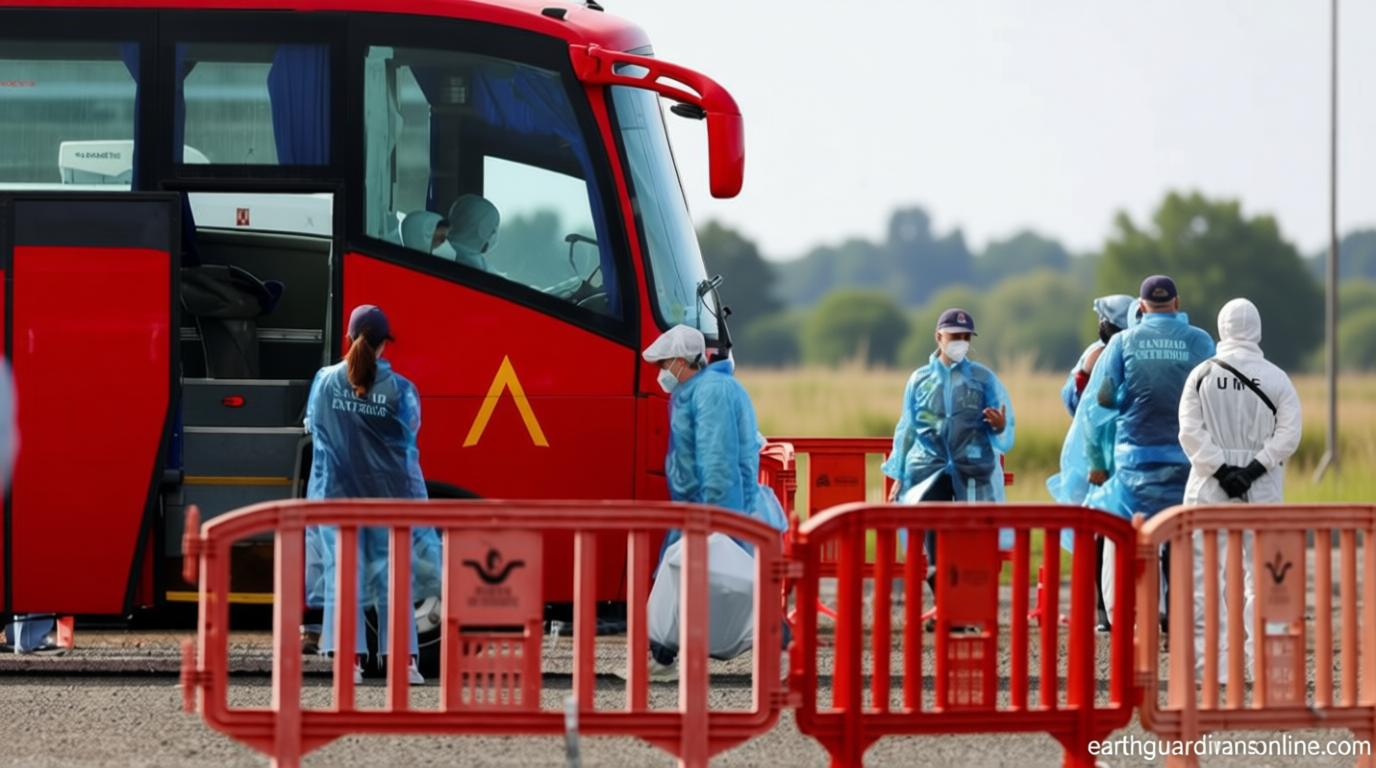
The international community has responded swiftly to the crisis, with the CDC and other agencies mobilizing resources to assist the DRC. Vaccines, diagnostic tools, and medical personnel have been dispatched to affected regions, aiming to bolster local capacities. However, the scale of the outbreak has necessitated a more extensive mobilization than previously seen, with fears that the current measures may not be sufficient to curb its spread.
Some scientists are now debating whether the virus has mutated to become more transmissible. Early signs suggest that the current outbreak is spreading faster than previous ones, with cases reported in previously unaffected areas. This has led to increased scrutiny of public health protocols and the need for adaptive strategies. Kaseya also emphasized the importance of community engagement, noting that trust in health workers is crucial for effective containment.
Challenges in Containment and Prevention
Containment efforts are further complicated by the virus’s high mortality rate and the difficulty in identifying symptoms early. Unlike other diseases, Ebola often presents with severe symptoms that can overwhelm healthcare systems, particularly in resource-limited settings. The lack of adequate medical facilities and trained personnel has left many communities vulnerable to rapid transmission.
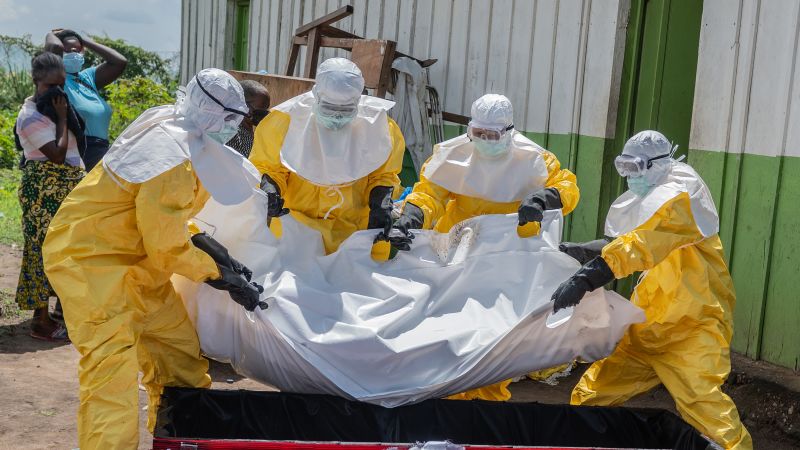
In addition to health infrastructure challenges, cultural practices such as funerary rituals and close contact during care have played a role in the outbreak’s persistence. Officials are working to educate communities about these risk factors while ensuring that local traditions are respected. This balance is essential for gaining public cooperation, which is vital in halting the spread of the disease.
The situation has also prompted discussions about the long-term implications for public health in the DRC and neighboring countries. With the virus spreading across borders, the need for a unified approach has never been more critical. Kaseya’s warning serves as a reminder that without sustained effort, the outbreak could lead to widespread devastation, affecting both human lives and the economy.
Looking Ahead: A Race Against Time
As the DRC braces for the possibility of a worst-case scenario, the focus remains on containing the virus before it spirals out of control. Public health officials are advocating for increased funding, better coordination, and a renewed commitment to prevention. The success of these measures will determine whether the current outbreak can be managed or if it will become a defining event in the history of global health crises.
With the world watching closely, the DRC’s fight against Ebola is not just a local battle but a global one. The lessons from past outbreaks have been applied, but the evolving nature of the virus demands new solutions. Kaseya’s message is clear: the time to act is now, or the consequences could be far-reaching. The coming weeks will be critical in assessing the effectiveness of the response and the future trajectory of the epidemic.