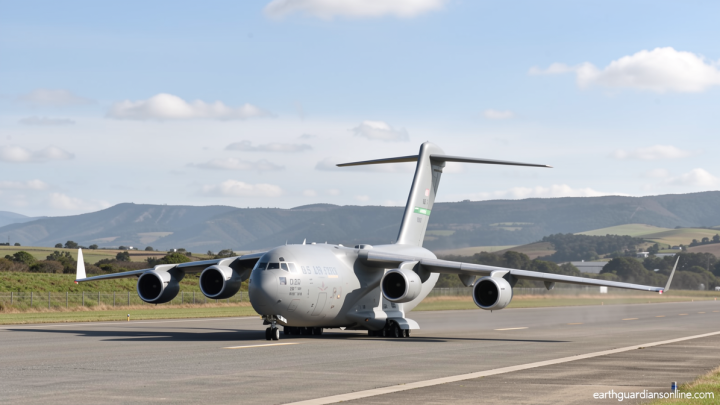
El Niño-caused drought in Panama is likely to raise prices on everything from medicine to fuel

Daftar Isi
How the El Niño Caused Drought in Panama Is Disrupting Global Shipping
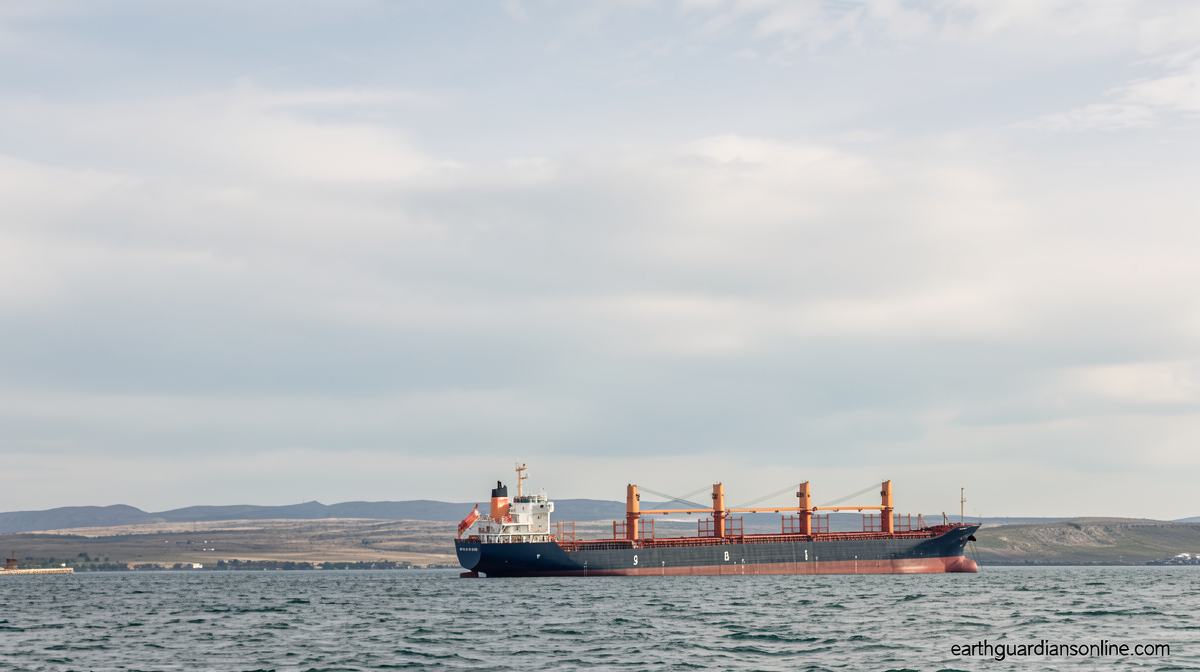
Earthguardiansonline.com – The El Niño caused drought in Panama has turned the canal’s Pacific entrance into a parking lot. By early August, dozens of vessels sat idle in queue, some for more than a week and one chemical tanker for over a month. On August 10 the situation reached a breaking point when a large container ship paid roughly $4 million to jump the line. Flexport, which had 30 containers aboard that vessel, confirmed the Pacific-side backlog was the worst since May, when Strait of Hormuz tensions first stretched wait times. Now a far more powerful force is compounding the congestion: a historically intense El Niño.
The Panama Canal is a 50-mile artificial waterway threading the Central American isthmus, linking the Atlantic and Pacific oceans and handling approximately 5 percent of global maritime trade. The United States accounts for roughly 70 percent of all cargo transiting the route. Ships cross the isthmus through a series of freshwater locks supplied by Lake Gatun; when that lake’s levels fell to historic lows during the 2023 and 2024 El Niño episodes, daily throughput dropped from 36 vessels to 24.
What Consumers Should Expect as Prices Rise
“The ripple effects are significant through supply chains and all the way to consumer prices at stores,” Benjamin Gedan, senior fellow and director of the Latin American program at the Stimson Center, told CNN. NOAA declared the current El Niño officially underway in June and projects it will peak between October and December. For Panama, whose wet season runs May through December, the consequence is a dry spell already well below normal and likely to deepen. Panama City has recorded only 75 percent of its average rainfall since May 1, while the western city of David has received just 60 percent over the past 90 days. The Panama Canal Authority reported on Thursday that cumulative rainfall across the canal watershed since May sits 34 percent below the historical average.
Operators are responding with tighter restrictions. The Canal Authority announced a 48-foot draft limit—down from the standard 50 feet—effective in September, with a further reduction expected shortly after. A lower draft forces vessels to shed cargo weight, shrinking per-ship capacity. Mediterranean Shipping Company (MSC) acted quickly: on August 12 it announced an increased Panama Canal surcharge, effective September 12 “until further notice,” covering container shipments from Southeast Asia, China, Korea, and Japan destined for the U.S. East and Gulf Coasts. Daily transit slots are also being cut: 34 ships per day beginning September 4, falling to 32 by September 15. Henry Ziemer, Americas Program fellow at the Center for Strategic and International Studies, cautioned that while this year’s reductions are less severe than prior El Niño years, “the potential is still there to get worse.”
For ships that did not book a transit slot in advance, the Canal Authority typically releases only three to five daily auction slots. With demand surging amid Middle East tensions, those slots have become increasingly expensive, adding another layer of cost pressure on shippers and, ultimately, on consumers.
The El Niño caused drought in Panama is therefore not merely a weather story. It is a compounding of draft limits, reduced daily capacity, and auction-slot scarcity that feeds directly into freight rates and retail shelf prices. Unlike earlier episodes, this cycle’s El Niño is forecast to be record-breaking, meaning the pressure on the canal—and on household budgets—may persist well into the winter months.
Frequently Asked Questions
How long will the El Niño caused drought in Panama last? NOAA projects the current event will peak between October and December 2026. Panama’s wet season runs through December, so the driest conditions are expected to coincide with the El Niño’s strongest phase. Full recovery of Lake Gatun levels typically lags the climate signal by several months.
What does the El Niño caused drought in Panama mean for everyday consumers? Higher freight surcharges and reduced vessel capacity translate into elevated costs for imported goods—pharmaceuticals, fuel, electronics, and food items that rely on Pacific-to-Atlantic transit. Analysts at the Stimson Center and CSIS both warn that supply-chain ripple effects will reach retail shelves within weeks to months.
Are there alternatives to the Panama Canal for affected shipments? Carriers can reroute via the Suez Canal or around Cape Horn, but both options add days to transit time and increase fuel consumption, which further inflates landed costs. For time-sensitive cargo, the added delay is often unacceptable, keeping demand locked into the canal’s constrained schedule.