
Europe’s next-gen fighter jet is dead. What does that mean for the continent’s security ambitions?
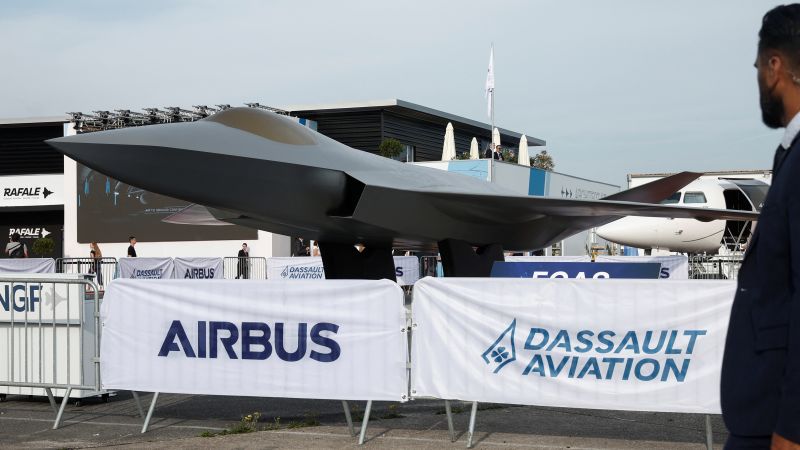
Europe’s Next-Gen Fighter Jet Dead: Implications for Continental Security
The Collapse of a Vision for European Aerospace
Europe s next gen fighter jet is – Europe’s next-gen fighter jet initiative has faced an unexpected end, leaving the continent’s defense ambitions in question. The Future Combat Air System (FCAS), once seen as a cornerstone of Franco-German collaboration, is now sidelined due to deepening industrial and political disputes. While the project’s core components—such as the “combat cloud” and autonomous drone systems—may still take shape, the loss of the fighter jet element signals a major shift in Europe’s approach to military technology. This setback raises concerns about the region’s ability to develop advanced aerial capabilities amid growing global security challenges.
A Divided Path to Innovation
The demise of Europe’s next-gen fighter jet project stems from conflicting priorities between France and Germany. France’s Dassault Aviation pursued a highly maneuverable, multi-role aircraft, while Germany’s Airbus favored a more traditional design. These divergent goals created a rift that proved impossible to reconcile, despite the project’s ambitious goal of surpassing the US F-35 Lightning II. The estimated cost of 100 billion euros ($116 billion) highlights the scale of the effort, yet the lack of consensus on technical details led to its collapse.
“The French Air Force’s approach of setting broad requirements and trusting Dassault to handle the engineering contrasts sharply with Germany’s meticulous specifications,” noted retired General Michel Yakovleff, a NATO observer. “This clash of philosophies was the project’s undoing.”
Historical Context and National Priorities
France and Germany’s rivalry in the FCAS reflects broader historical tensions in European defense. France’s military tradition, rooted in early aerial combat, prioritizes agility and independent innovation, as seen in its Mirage and Rafale jets. Germany, however, has long favored multinational partnerships, exemplified by the Eurofighter and Tornado programs. This difference in approach became a critical barrier to progress, with each nation clinging to its vision of the next-gen fighter jet’s design and purpose.
Meanwhile, France’s leadership under President Emmanuel Macron had remained committed to the project, even as delays mounted. Senator Cédric Perrin, who leads the French Senate’s foreign and armed forces committee, emphasized that only Macron maintained belief in the initiative’s potential. Germany, though acknowledging the lack of cooperation, positioned the outcome as a chance to reframe its role in the FCAS, focusing on the project’s remaining elements.
Industry Reactions and Strategic Shifts
Industry experts have long warned that Europe’s next-gen fighter jet project was a fragile endeavor. The inability to align on technical standards and cost-sharing models exposed underlying weaknesses in the collaboration. With the fighter jet component now out of reach, France and Germany may pursue separate strategies to meet their defense needs. France’s aviation sector is poised to continue developing advanced platforms, leveraging its historical expertise. Germany, however, may seek alternative partnerships or refine its contributions to other FCAS segments, such as the combat cloud and drone systems.
Redefining European Security in a Fragmented Landscape
The failure of Europe’s next-gen fighter jet project underscores the challenges of unifying defense efforts across a diverse continent. As geopolitical tensions rise, the need for a cohesive military strategy becomes more urgent. Without a shared next-gen fighter jet, Europe risks fragmentation in its aerospace capabilities, with each nation potentially investing in parallel programs. This development could impact the continent’s ability to respond to emerging threats, from hybrid warfare to rapid technological advancements in the global arms race.
