
Exclusive: After opting not to retry Harvey Weinstein, Manhattan DA urges legislators to step up for sex assault survivors
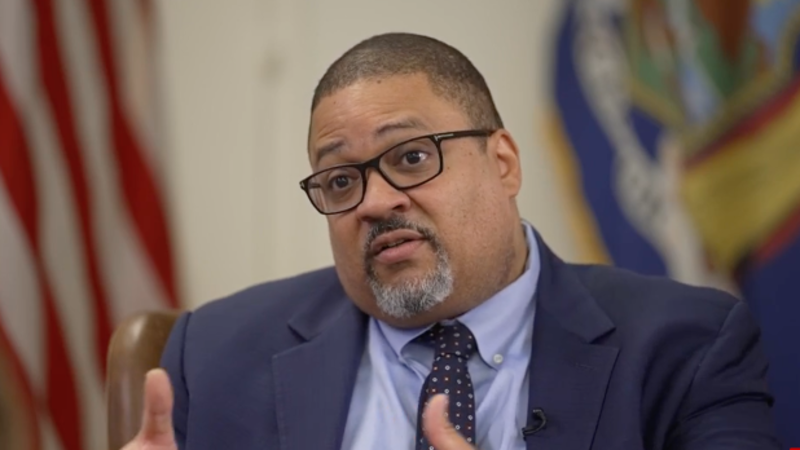
Exclusive: Manhattan DA Advocates for Sex Assault Survivor Reforms After Weinstein Retrial
Legal System Fails Survivors in Weinstein Case
Exclusive: Manhattan District Attorney Alvin Bragg has urged lawmakers to prioritize sexual assault survivors in the legal system after deciding not to retry Harvey Weinstein on rape charges. In an exclusive interview with CNN, Bragg emphasized the need for legislative changes to ensure survivors’ voices are not sidelined in high-profile cases. He highlighted that the current framework fails to recognize the critical role of past misconduct evidence in securing justice for victims, a key factor in Weinstein’s initial conviction.
Bragg argued that prosecutors should be allowed to present evidence of a defendant’s prior sexual offenses during trials. This approach was pivotal in Weinstein’s 2020 conviction, a landmark moment for the #MeToo movement. However, the New York Court of Appeals overturned the verdict in 2024, stating that testimony about Weinstein’s use of Hollywood power to manipulate victims was improperly included. The ruling has raised concerns about how survivors’ experiences are evaluated in court, with many fearing their testimonies might be dismissed as irrelevant in future cases.
Exclusive: With the fourth retrial of Weinstein on the rape charge abandoned last month, Bragg reiterated his commitment to supporting survivors. The decision came after consultations with Jessica Mann, one of Weinstein’s accusers, who expressed that the courtroom process had become too emotionally taxing. “We’re working closely with legislators to update the law,” Bragg said. “We didn’t succeed this year, but we’ll continue pushing for changes that make survivors’ stories more impactful.”
Survivors’ Testimonies Dismissed in Legal Proceedings
Bragg acknowledged the systemic challenges faced by survivors, particularly those who testify repeatedly in trials. “Our system said, ‘That’s not relevant here,’ which has hurt survivors deeply,” he explained. The exclusion of past misconduct evidence in Weinstein’s retrial has left many questioning whether the legal process truly values the experiences of victims beyond high-profile cases.
“The process has fragmented, silenced, and traumatized survivors. Their testimonies are often set aside, even when they’re crucial to proving guilt.”
Exclusive: Jessica Mann’s decision to withdraw from the final retrial underscored the toll of enduring legal scrutiny. Her account of the 2013 assault in a New York hotel was central to the initial conviction, yet her repeated appearances in court highlighted the emotional strain. “Taking the stand brought deeper re-traumatization,” Mann wrote in a letter to the court. Bragg called her testimony “heartbreaking,” praising its unfiltered honesty and the courage it required.
Legislative Momentum and Future Challenges
Exclusive: Legislators in New York have introduced coordinated bills aimed at modernizing sexual assault laws. These proposals seek to allow testimony about past misconduct to establish motive or intent, directly addressing the issues raised in Weinstein’s case. Despite the bills’ potential to create lasting change, they have yet to gain legislative traction, with neither the Assembly nor the Senate advancing them this session.
Bragg warned that without such reforms, survivors may continue to face barriers in proving their cases. “If we don’t change the law, future survivors will be left without the tools to tell their full story,” he said. The DA stressed that the current system often prioritizes procedural rules over the lived experiences of victims, risking their credibility and emotional well-being.
While the bills remain pending, Bragg remains hopeful about their long-term impact. “Survivors like Jessica Mann have shown the power of their voices,” he noted. “We need to make sure the law reflects that truth, so every survivor can be heard and believed.” The ongoing fight for legal reform underscores the broader need to address systemic gaps in how sexual assault cases are handled, ensuring justice is not only served but also seen.
