He overcame his criminal past to help stop violence on Baltimore’s streets. His arrest reveals the job’s fragile balance

Antoine Burton: A Beacon of Hope in Baltimore’s Streets
He overcame his criminal past to help – Antoine Burton, once a figure synonymous with the challenges of Baltimore’s streets, has become a symbol of resilience and transformation. His journey from a life marked by conflict to one dedicated to preventing violence has earned him admiration within his community. Now, however, his recent arrest has cast a shadow over his efforts, raising questions about the balance between trust and accountability in the city’s violence interruption programs.
A Credible Messenger in a High-Stakes Environment
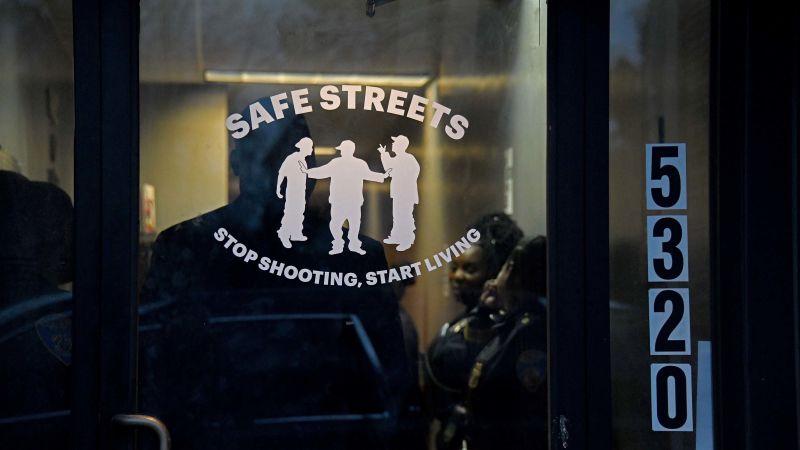
Before becoming a key player in Safe Streets, a community-driven initiative aimed at curbing violence, Burton was known for his ability to navigate the complexities of life in a city where gun violence often defines the daily rhythm. His peers regarded him as someone who could bridge divides, offering guidance and support to those most vulnerable to cycles of violence. This reputation led to his selection for the program, where he was tasked with mediating disputes and connecting individuals to resources that address the root causes of conflict.
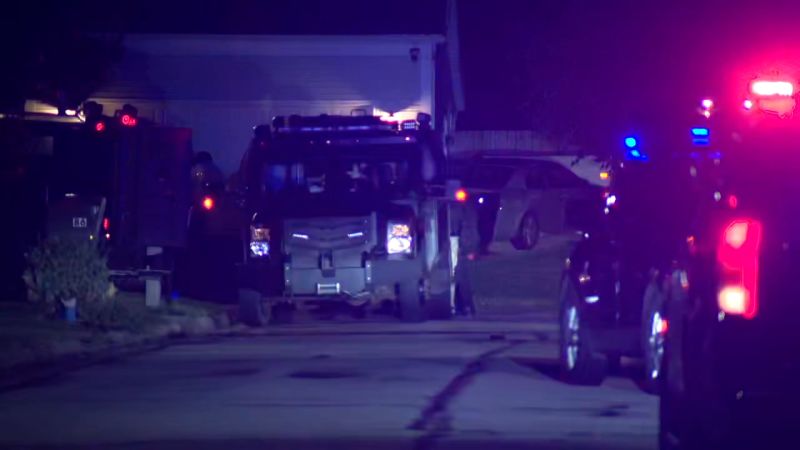
City officials overseeing the municipally-funded initiative emphasized that Burton’s credibility was central to his role. “He was chosen because of his deep ties to the community and his proven ability to influence those at risk,” said one representative. “Safe Streets relies on people who understand the streets better than anyone else.” Yet, the arrest last week has flipped that narrative, revealing the precarious nature of the work. Police confirmed Burton was charged with first-degree attempted murder and gun-related offenses after allegedly shooting another man, who remains in stable condition. The incident occurred while he was prohibited from carrying firearms due to prior convictions, a detail that has intensified scrutiny over his actions.
Disruption and Doubt: The Weight of a Single Mistake
Burton’s case underscores the tension inherent in the role of a violence interrupter. These individuals are often viewed as role models, someone who has walked the same path as the people they seek to guide. But when they fall, it can shake the foundations of the program they help sustain. City officials noted that no warning signs had emerged before the alleged incident, which has left them both stunned and concerned.
“It’s like watching a storm hit without a cloud in the sky,” said a community leader. “You trust the messenger, but the message can change in an instant.” The arrest has sparked debates about the vetting process for Safe Streets workers, with critics questioning whether the program’s approach is sufficient to ensure safety. State’s Attorney Ivan Bates, a vocal critic of the initiative, has pointed to the lack of transparency in identifying and training participants, suggesting that more oversight is needed to prevent such setbacks.
A Lifelong Journey: Sean “Weezy” Wees’ Perspective
Sean “Weezy” Wees, the director of a Safe Streets site in Brooklyn, has personal insight into the mental toll of this work. He once stood where Burton now walks, as a young man entangled in the violence that defined his neighborhood. “I was part of the chaos,” Wees recalled. “Carrying guns, selling drugs, doing everything to survive.” His transformation began after his brother’s death in 2015, a tragedy that drove him to seek a different path.
“We were all walking the same line, but I realized I couldn’t let it continue. That moment changed everything.”
Wees joined Safe Streets in 2019, having already begun to mediate conflicts in his community. He describes the program as a lifeline for those trapped in cycles of violence, offering hope where there was once despair. Yet, he also acknowledges the risks involved. “Every day, we step into the unknown,” he said. “You never know how someone will react when you’re trying to calm a situation.” For violence interrupters, this uncertainty is a constant companion, requiring them to tolerate disrespect and navigate emotions that could trigger their own past traumas.
Wees’ relationship with Burton was one of mutual respect, but the arrest has left him grappling with the implications. “He was a brother, a friend, and someone who truly believed in changing the narrative,” Wees said. “Now, the question is whether his actions will overshadow the progress we’ve made.” The incident highlights a broader challenge: how to maintain the program’s credibility while acknowledging the human fallibility of those who dedicate their lives to its mission.
The Legacy of Safe Streets: A Crime-Fighting Success Story
Despite the controversy, Safe Streets has been credited with contributing to Baltimore’s historic decline in violent crime. In 2025, the city recorded the lowest number of homicides in nearly half a century, a milestone that many attribute to the program’s grassroots efforts. City officials argue that Burton’s arrest is an isolated incident, not a reflection of the program’s overall effectiveness.
“This is an outlier,” said the mayor’s office director. “Safe Streets has saved countless lives and provided a blueprint for community-based solutions.” However, the incident has reignited concerns about the program’s ability to protect both its workers and the people they serve. With no red flags preceding the shooting, some argue that the program’s methods may still lack the safeguards needed to prevent such occurrences.
A Movement Rooted in Shared Experiences
The work of Safe Streets is not just about breaking cycles of violence—it’s about building trust through shared struggles. Wees’ story is a testament to this philosophy, as he draws from his own experiences to connect with those in need. “We have to be the alternative,” he said. “The people who used to tear down the community now have the power to rebuild it.”
For many participants, the program offers a second chance. Wees’ sister, who lost her son to gun violence, is one such example. Her son’s death became a catalyst for her involvement in the movement, as she sought to give others the same opportunities she now sees in Burton’s work. “He was a reminder of what we lost,” she said. “Now, he’s helping us prevent that loss from happening again.”
Yet, the arrest has forced the community to confront the reality that even those who fight for change can falter. “It’s a reminder that the path is never easy,” Wees noted. “You have to be ready to face the same dangers you once avoided.” As the preliminary hearing for Burton’s case approaches on July 8, the focus remains on whether his actions will be seen as a betrayal of the trust he earned—or a necessary lesson in the ongoing battle against violence.
News of Burton’s arrest has spread quickly through the neighborhoods he once inhabited, sparking discussions about the role of former offenders in community leadership. While some see it as a sign that even the most dedicated individuals can relapse, others view it as a natural part of the process. “You can’t expect perfection,” said one local advocate. “What matters is that they’re willing to try.”
As the city continues to celebrate its crime reduction efforts, the case of Antoine Burton serves as a poignant reminder of the fragile balance between hope and risk. Safe Streets may have transformed lives, but the trust it relies on is as delicate as the peace it seeks to preserve. The next steps in Burton’s case will determine whether this moment becomes a turning point—or a setback in the fight for safer streets.