
US inflation tops 4% for first time in three years as oil prices jump
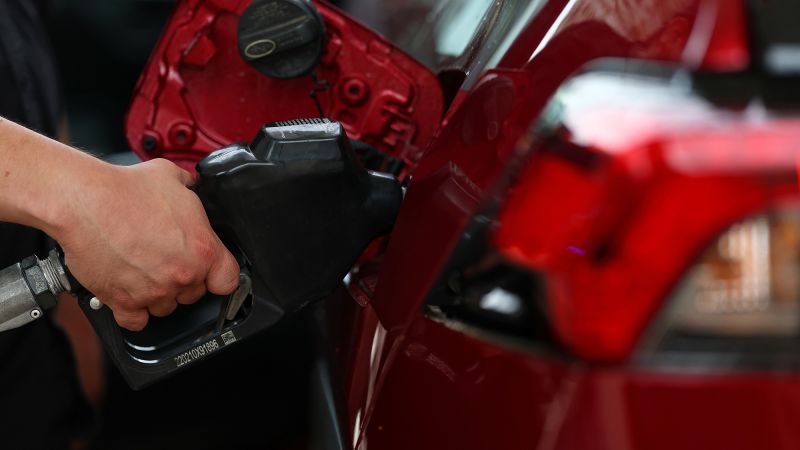
US Inflation Surpasses 4% Threshold, Marking a Three-Year High Amid Rising Energy Costs
US inflation tops 4 for first – The US consumer price index (CPI) reported a notable surge in May, with annual inflation climbing to a three-year high of 4.2%. This data, released by the Bureau of Labor Statistics, highlights the growing influence of elevated energy prices on the national economy. The latest figures reveal a 0.5% monthly increase in overall prices, driven largely by the ongoing conflict between the US and Iran, as per the latest CPI report. Notably, energy costs accounted for 60% of this monthly rise, underscoring their dominant role in shaping inflation trends.
Core Inflation Trends Remain Muted
Despite the overall rise, the core CPI—excluding food and energy—showed a more subdued 0.2% increase from April, bringing its annual rate to 2.9%. This slower growth in core inflation suggests that the broader economic pressures may be easing, though experts caution that the underlying costs are still present. Economists had anticipated a 0.5% monthly increase in prices, and the annual rate was expected to rise to 4.2% from April’s 3.8%. However, the core CPI’s modest growth contrasts with the sharper uptick in energy prices, which have become a central factor in the current inflation landscape.
“The most significant aspect was that the price surge was primarily concentrated in energy, particularly gasoline, rather than spreading across all sectors,” noted Sung Won Sohn, a professor at Loyola Marymount University. “This could be a relief for consumers who aren’t directly impacted by the energy sector, but it also means the inflationary pressure remains intense in specific areas.”
While the core CPI is slowing, the overall inflation rate continues to pose challenges for Americans. The affordability concerns have intensified ahead of the midterm elections, drawing renewed attention to President Donald Trump’s promise to reduce prices. However, Trump’s reaction to the data was dismissive, praising the figures as “great” during a White House press briefing. “I love it,” he stated, adding, “I love the inflation.” Trump emphasized that the price hikes would subside if oil production resumed unimpeded through the Strait of Hormuz. “It’s coming down,” he declared, “like a rock.”
Broader Economic Context and Federal Reserve Outlook
May’s CPI release marks the first update since Kevin Warsh assumed the role of Federal Reserve chair, replacing Jerome Powell. With inflation trending upward and the labor market showing resilience, economists anticipate the Fed will maintain its current interest rate policy—or potentially raise rates to curb price pressures. However, the pace of price growth has not been as rapid as in previous months, with the past three months seeing the fastest acceleration since the April-June 2022 period, when inflation peaked at a 41-year high of 9.1%.
Analysts warn that while this round of inflation may not reach the same extreme as the previous year, it still represents a concerning rebound. Nancy Van Houten, lead US economist at Oxford Economics, stated, “Inflation might not get worse, but it’s going to be a bit warm for the time being. It might not cool until next year.” This assessment reflects the ongoing challenges posed by supply chain disruptions, ongoing geopolitical tensions, and the compounding effects of the war on global markets.
The conflict in the Middle East has disrupted oil flows, effectively closing the Strait of Hormuz and raising concerns about energy security. This bottleneck has not only affected crude oil but also other essential commodities such as metals and fertilizer, exacerbating inflationary pressures. Diane Swonk, chief economist at KPMG, pointed out that the full impact of the war on food prices is yet to materialize. “We’ve yet to hit the full effects of the war on food prices,” she explained. “Fertilizer, diesel costs, reduced crop yields, and the potential effects of an El Nino—none of that hits until the fall harvest and into 2027.”
Compounding Factors and Future Risks
Additional challenges loom on the horizon, with several factors likely to prolong inflation. The artificial intelligence boom has increased demand for electricity and electronic components, pushing prices higher in tech-related sectors. Meanwhile, summer tariffs are set to be implemented, which could further strain the economy. Swonk also highlighted the ripple effects of high oil prices, noting their potential impact on shipping and packaging industries. “There’s still a lot in the pipeline,” she said, “including the effects of rationing in emerging markets, which has led to idle manufacturing and disruptions in the supply of products like cooking oil and apparel.”
Moreover, the war-driven price shocks are adding another layer of inflationary pressure, compounding the effects of years of elevated costs. As Swonk observed, “The latest war-driven price shocks are building on top of five years of high inflation, creating a more challenging environment for affordability.” With wages failing to keep pace with rising prices, households are increasingly burdened by the cost of living. This dynamic could influence voter behavior in the midterms, as economic conditions become a focal point for political discourse.
Looking ahead, the path to price stability remains uncertain. While energy prices may stabilize if the Strait of Hormuz reopens, the broader economic factors—tariffs, AI-driven demand, and global supply chain issues—suggest that inflation could persist. “The underlying inflation trends are still hot, sticky, and persistent,” Swonk warned. “The dispersion of price increases is broadening again, instead of narrowing.” This indicates that while the immediate impact of the war may be a factor, other long-term challenges will continue to shape the inflationary landscape in the months to come.
As the US economy navigates this complex environment, the balance between controlling inflation and maintaining growth will be critical. The Federal Reserve’s next moves will be closely watched, with its decisions potentially influencing the trajectory of price increases. For now, the data signals that inflation is far from a thing of the past, and its effects will likely linger for the foreseeable future.
