
Heat stroke is suspected among 6 found dead in a shipping container at a rail yard near Texas border
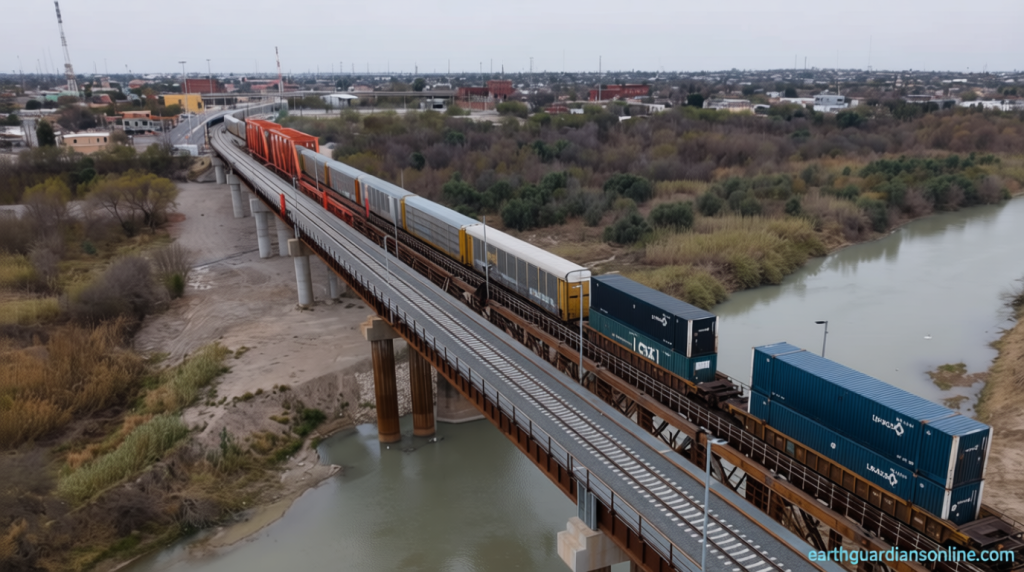
Heat Stroke Suspected in Deaths of Six Inside Texas Rail Yard Container
Discovery of Deceased Individuals in Shipping Container
Heat stroke is suspected among 6 found – Sunday afternoon, a grim discovery was made at a Union Pacific rail yard near the Mexico border in Laredo, Texas, where six bodies were found inside a sealed shipping container. The Laredo Police Department spokesperson, Jose Baeza, confirmed that the container was inspected by workers, who stumbled upon the individuals during routine checks. Emergency responders swiftly arrived at the scene, verifying that all six had succumbed to their injuries. The group consisted of five men and one woman, though their nationalities are yet to be confirmed.
Medical Examiner’s Investigation and Findings
Dr. Corinne Stern, the Webb County Medical Examiner, is currently examining the remains to determine the cause of death. She completed an autopsy on a 29-year-old Mexican woman, identifying hyperthermia—commonly known as heat stroke—as the likely cause. “I’ve ruled that an accidental death,” Stern stated, noting that the woman’s identification cards and cellphones pointed to her origin in Mexico. However, she emphasized that the remaining five individuals’ causes of death are still under review, as their autopsies are not finalized.
“Based on the findings so far, I believe the others probably also died from heat stroke, but I won’t make that determination until all reports are complete,” Stern added.
Identifying the Deceased and Cross-Border Collaboration
To piece together the identities of the victims, the medical examiner’s office has collected fingerprints and shared them with the U.S. Border Patrol through its Missing Alien Program. This initiative helps match biometric data with records of undocumented immigrants. Stern also reported that the Mexican consulate was notified after the woman’s identification was confirmed, highlighting the international aspect of the case.
Authorities have not yet confirmed whether the deaths are linked to a smuggling operation, though the location—near a bustling trade port—suggests a possible connection. The shipping container’s travel history remains unclear, adding to the mystery of how the individuals ended up in such a confined space.
Context of Border Activity and Seasonal Trends
The incident occurs in a region where border crossings have seen fluctuations in recent years. While Border Patrol encounters dipped during the Biden administration, they hit a record low under the second Trump term. However, this spring has marked a resurgence, with Laredo reporting 40 illegal border crossings in March—third highest among nine southwest border sectors, according to agency data.
Stern described the situation as “a horrific scene,” underscoring the frequency of such events in the ten-county area her office oversees. “This season has been more active than it was this time last year,” she remarked, noting the increased pressure on local resources to handle migrant fatalities.
Union Pacific’s Statement and Security Measures
Union Pacific, the railroad company operating the rail yard, expressed sorrow over the incident and is collaborating with law enforcement to investigate further. In a press release, the company stated its commitment to addressing both drug smuggling and unauthorized crossings. To aid in this effort, Union Pacific has installed inspection portals that scan trains and capture images, helping detect irregularities or hidden contraband.
These measures are part of a broader strategy to combat smuggling on rail lines. The railroad has worked alongside authorities for years, prioritizing security in a region where human trafficking and illicit drug trade are persistent challenges. The recent deaths, however, bring attention to the vulnerabilities of such systems, particularly during extreme weather conditions.
Smuggling Risks and Historical Precedents
Smuggling operations on trains have long been a concern for officials, especially given the way trains often slow or halt in Mexico before entering the U.S. This creates a window for smugglers to load migrants or stash drugs onto the vehicles. Last year, two individuals were convicted of life in prison for a smuggling case that resulted in the deaths of 53 migrants in a sweltering tractor-trailer near Laredo in 2022. That incident remains the deadliest human smuggling attempt in the nation’s history to date.
The current case echoes similar risks, with the shipping container serving as a microcosm of the challenges faced in border security. Despite advancements in technology and inspection protocols, the tragic loss of life underscores the dangers migrants endure in their pursuit of a safer future. The incident has sparked renewed discussions about the need for improved conditions for those traveling in such confined spaces.
Broader Implications for Border Policy
As the search for answers continues, the case raises questions about the effectiveness of current border policies. While the federal government has implemented measures to reduce crossings, the rapid increase in migrant deaths during the spring season indicates that the problem persists. The collaboration between Union Pacific and law enforcement highlights the role of private entities in supporting public safety, yet it also reveals the growing burden on these organizations to manage human trafficking incidents.
For the families of the deceased, the tragedy serves as a stark reminder of the risks associated with crossing the border. The Mexican woman, whose identity was confirmed, is just one of many who have lost their lives in the pursuit of refuge. Her belongings, including a cellphone, suggest that she may have been part of a larger network of individuals seeking to enter the U.S. through unconventional routes.
Community Impact and Ongoing Efforts
Laredo, a critical hub for trade and migration, continues to grapple with the human toll of border crossings. The rail yard’s proximity to the Mexico border makes it a focal point for smuggling activities, which often exploit the dense traffic of goods and people. Stern’s office has been working tirelessly to process the cases, but the volume of deaths has strained local resources and heightened public awareness of the issue.
As the investigation unfolds, authorities are also looking into whether the victims were part of a coordinated effort to bypass traditional checkpoints. The shipping container, likely transported by Union Pacific, may have been used as a makeshift shelter, trapping the individuals in a life-threatening environment. This scenario aligns with recent reports of migrant fatalities in similar conditions, pointing to a recurring pattern of risk.
The case has sparked debates about the adequacy of current infrastructure and the need for more robust support systems for migrants. While Union Pacific’s statement reflects its dedication to safety, the incident highlights the gaps that still exist in preventing such tragedies. With the summer months approaching, concerns about heat-related deaths are expected to rise, putting additional pressure on officials to address the growing challenges at the border.
