
Historically low water level in two crucial US reservoirs threatens water and power millions
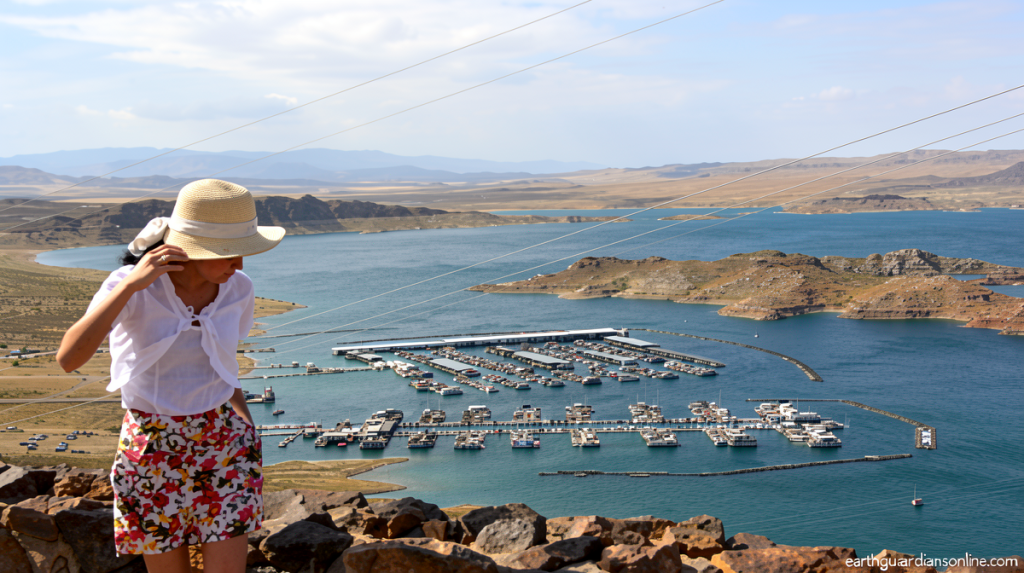
Historically Low Water Level in Two Reservoirs Threatens Millions
Earthguardiansonline.com – Historically low water level in two major American reservoirs has reached a critical threshold, signaling a potential crisis for the Southwest. Lake Powell and Lake Mead, the twin pillars of water storage in the Colorado River Basin, have simultaneously dropped to their lowest combined levels since records began. This unprecedented situation threatens both water supplies and power generation for millions of residents across seven states. The decline represents more than just a temporary drought condition—it marks a fundamental shift in how the region must manage its most vital resource.
Record-Breaking Measurements Confirm Historic Decline
Measurements taken on July 12, 2026, revealed alarming figures that surpassed even the previous record set in March 2023. Lake Powell stood at 3,524 feet above sea level, while Lake Mead fell just below the 1,043-foot mark. These numbers are particularly significant because they represent the first time both reservoirs have reached such depths simultaneously since 1957. That year holds special meaning in Colorado River history, as it predates the completion of Lake Powell during Glen Canyon Dam construction.
Jack Schmidt, director of the Center for Colorado River Studies at Utah State University, provided crucial context for these measurements. As a lead author of the comprehensive analysis released by five leading experts, Schmidt described the current conditions as a milestone in water storage history. He emphasized that these figures underscore the seriousness of the uniquely small amount of water currently retained in the basin’s massive reservoirs. The expert panel’s findings suggest that this is not merely a cyclical drought pattern but a more permanent transformation of the region’s water landscape.
The Colorado River’s Vital Role in American Life
The Colorado River serves as the lifeblood of the American Southwest, stretching 1,400 miles from the Rocky Mountains to the Gulf of California. This mighty waterway relies heavily on melting snowpack to maintain its flow through increasingly arid conditions. Along its journey, the river irrigates more than five million acres of agricultural land, producing crops that feed millions of Americans. The river also generates sufficient electricity to supply power to approximately 700,000 households, making it essential for both domestic and commercial energy needs.
“These measurements represent a turning point that will require fundamental changes in how we manage water resources across the Southwest,” said Schmidt. “The historically low water level in two reservoirs is not just a number—it’s a warning sign for millions of people who depend on this system.”
Together, Lake Powell and Lake Mead function as a single, colossal reservoir divided by the Grand Canyon. They currently hold nearly 60 percent of the total water stored within the entire Colorado River Basin. However, this capacity has been eroding rapidly over the last quarter-century, with each passing year bringing new challenges for water managers and policymakers. The combined storage capacity of these two reservoirs has decreased by more than half since the peak years of the 1990s, fundamentally altering the region’s water security outlook.
The implications of this historic decline extend far beyond immediate water shortages. Power generation facilities that rely on consistent water levels face potential disruptions, while agricultural operations must adapt to reduced irrigation allocations. Municipal water systems serving 40 million people must prepare for increasingly stringent conservation measures. As climate patterns continue to shift, the historically low water level in two reservoirs may become the new normal rather than an exceptional event, requiring long-term strategic planning and investment in water infrastructure across the entire Southwest region.
