
Hundreds of Ukrainian children were evacuated to Italy. Kyiv is now battling to get them back
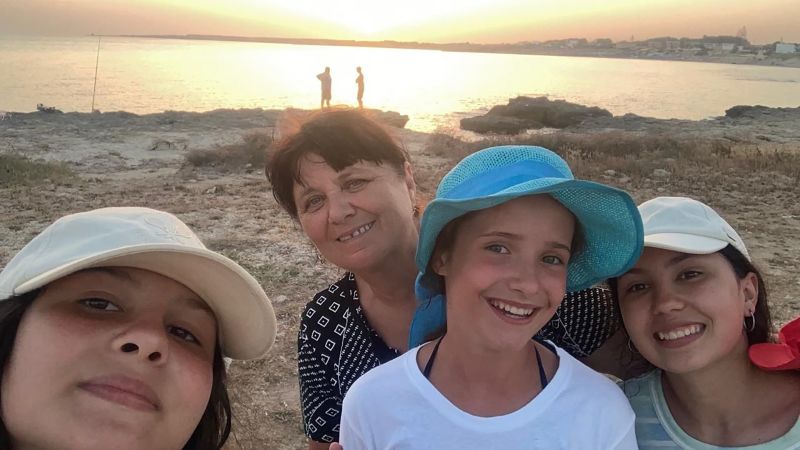
Hundreds of Ukrainian Children Evacuated to Italy in Legal Dispute
Hundreds of Ukrainian children were evacuated – In the wake of Russia’s invasion of Ukraine, a once-temporary relocation of 25 minors to Naples, Italy, has sparked a complex legal battle. Hundreds of Ukrainian children were evacuated to Italy under the premise of safety, but four years later, the effort to return them faces mounting obstacles. Liubov Rudyka, director of a children’s home in Sumy, a city heavily contested by Russian forces, initially believed the move would be brief. However, the Italian authorities have since extended their stay, citing refugee status and the children’s autonomy, creating a rift between Kyiv and Rome.
From Temporary Safety to Legal Entanglement
When Rudyka led the evacuation in 2022, it was framed as a humanitarian measure to shield children from the war’s immediate threats. A charity, working with Ukrainian officials, arranged for the children to be sent to Italy, a country viewed as a stable refuge. “I thought it would be like a summer camp—temporary and reversible,” Rudyka told CNN. Yet, as Italian officials classified the children as unaccompanied minors, the legal framework for their protection began to override their original intent for relocation.
Italian law, established during the European migrant crisis, prioritizes the rights of child refugees over the wishes of their families. This has left Ukraine in a precarious position, as the government argues that the children were meant to be temporarily housed, not permanently settled. Dmytro Lubinets, Ukraine’s human rights ombudsman, criticized the system: “The Italian judiciary is asserting its independence, but it’s disregarding the children’s ties to their homeland.” His remarks highlight a growing concern that the evacuations may have lasting consequences.
A Catalyst for Tension
The dispute escalated in April 2023 with the adoption of a 15-year-old boy, Sasha, by an Italian family. Despite his mother’s plea to reunite with him, Italian courts proceeded with the adoption, framing it as a legal necessity. This case became a flashpoint, as Kyiv emphasized that the evacuations were meant to be temporary. “The war continues, but conditions in parts of Ukraine have improved,” the government stated. “We believe the children should return to their families and cultural roots.”
Ukraine’s challenge lies in proving that the children’s temporary relocation was intended to be a stopgap. The country’s legal representatives have argued that the Italian system’s focus on independence has created barriers to reintegration. “We’ve sent multiple requests, but the courts remain unmoved,” Lubinets said. “It feels as though they’re treating the children as permanent residents rather than temporary guests.” This sentiment underscores the emotional and political stakes of the dispute.
Legal Protections and Emotional Bonds
Italy’s legal protections for minors, enacted to safeguard their rights, have become central to the conflict. By granting refugee status, Italian officials positioned the children as autonomous individuals, complicating Ukraine’s ability to reclaim them. Rudyka, who held legal guardianship under Ukrainian law, found her authority unrecognized abroad. This disconnect has left the children’s futures determined by Italian courts rather than their families.
Rosa Emanuela Lo Faro, an Italian lawyer representing some of the minors, described the process as one of “complete separation.” “The children were cut off from their Ukrainian families, friends, and even their cultural context,” she explained. “They only interact with their Italian guardians now.” While some adoption decisions have been overturned by the Italian Supreme Court of Cassation, the system remains resistant to change, leaving Kyiv in a prolonged struggle to reunite with its children.
A Broader Pattern of Displacement
The situation with the 25 children in Naples is part of a larger trend of displacement. Hundreds of Ukrainian children were relocated to Italy as part of an initial effort to provide safety during the war, but the process has since expanded. Italian authorities have not only accepted the children for temporary stays but have also facilitated permanent adoption, raising questions about the original purpose of the evacuation. With the war ongoing, Ukraine faces pressure to balance immediate protection with long-term family reunification.
As the conflict continues, the emotional toll on the children and their families grows. Ukraine’s human rights ombudsman stressed the need for swift action to prevent the loss of generational ties. “We cannot allow hundreds of Ukrainian children were taken away from their homes to become strangers in a foreign land,” Lubinets said. The challenge remains not only legal but also deeply personal, as Kyiv seeks
