
Iranians emerge online with skepticism and defiance after months of blackout
Iranians Emerge Online with Skepticism After Months of Blackout
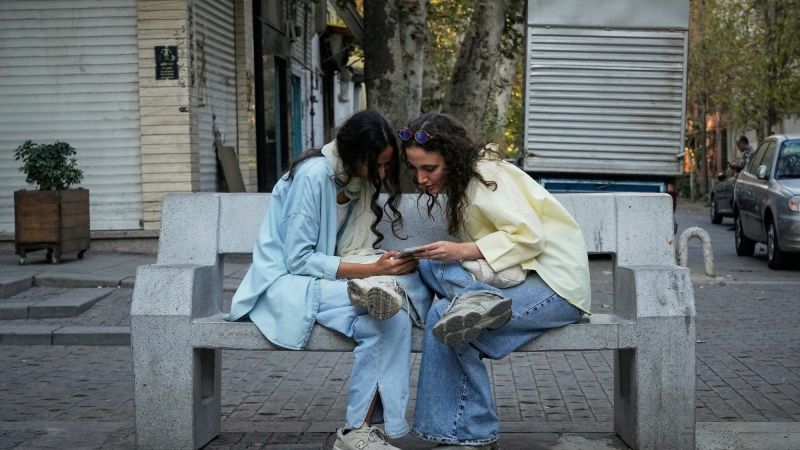
Iranians emerge online with skepticism and defiance – Iranians are slowly reconnecting to the internet, expressing cautious doubt and quiet resistance as partial access resumes after an extended period of restrictions. The return of connectivity, following weeks of government-imposed disconnection, has stirred a mix of hope and skepticism. While some see it as a step toward greater freedom, others remain wary, fearing it might be a strategic move to control digital narratives. This moment of reentry highlights the nation’s struggle to balance regained access with the lingering sense of surveillance and control.
A Fragile Reconnection
As the internet’s partial restoration unfolded, many Iranians found themselves navigating a digital space still under scrutiny. A 46-year-old man from Tehran, speaking to CNN under the condition of anonymity, noted: “Iranians emerge online with skepticism, but the effort to restore access is a start. We still rely on tools like VPNs to bypass filters.” His statement reflects the broader sentiment that the return is not a complete victory but a cautious reawakening. The “filternet” remains active, though its reach has narrowed, allowing users to share content with a degree of autonomy.
“Iranians emerge online with skepticism, but the internet’s partial recovery signals a turning point. We’re not fully free yet, but the opportunity to speak is growing,” a Tehran resident told CNN.
For those who had been isolated for weeks, the reconnection was both a relief and a reminder of the government’s continued influence. Social media platforms, once a lifeline for dissent, are now accessible but monitored. Users like a woman who had participated in protests expressed frustration over the “filternet,” which she said is being revived with a show of openness. “They’re trying to make it look like things are getting better, but we know the rules haven’t changed,” she said, echoing the sentiment of many who remain wary of the regime’s intentions.
Resilience in the Face of Control
Despite the government’s tightening grip, Iranians are adapting. NetBlocks reported that the blackout, which lasted 88 days, was the longest in modern history, but the partial lift of restrictions has reignited a sense of digital resilience. Users have turned to circumvention tools, with WhatsApp and other platforms now reachable through encrypted networks. This technical workaround has become a symbol of defiance, allowing citizens to maintain communication without fully exposing their activities.
President Masoud Pezeshkian’s directive to restore access was a calculated response to mounting pressure, both domestic and international. The decision to ease restrictions came as economic turmoil and social unrest intensified, with inflation and currency collapse fueling public discontent. However, the government’s strategy to reintroduce internet access is seen by many as a way to reassert control while appearing to embrace reform. “Iranians emerge online with skepticism, but they’re also learning to use the tools that keep them safe,” a local analyst explained, underscoring the evolving dynamics of digital resistance.
“The government is testing our patience, but Iranians emerge online with skepticism. They know the rules, and they’re not giving up,” said an independent observer.
Context of the Blackout
The internet shutdown began in late December 2025, amid widespread protests against economic mismanagement. As the crisis deepened, authorities cut off access to suppress dissent and manage public sentiment. By early February, the blackout had reached its peak, disconnecting millions and stifling communication. This period of digital silence was a response to the growing demand for systemic change, with US and Israeli military strikes adding to the pressure on the Iranian government.
Now, as Iranians cautiously step back online, the balance between freedom and control remains delicate. The government’s use of “filternet” technology has evolved, now allowing limited access while maintaining surveillance capabilities. This technical compromise has sparked debates about the true extent of the restoration, with some questioning whether the move signals a broader shift or a temporary concession. “Iranians emerge online with skepticism, but the potential for more voices is there,” said a digital rights advocate, highlighting the ongoing struggle for information autonomy.
