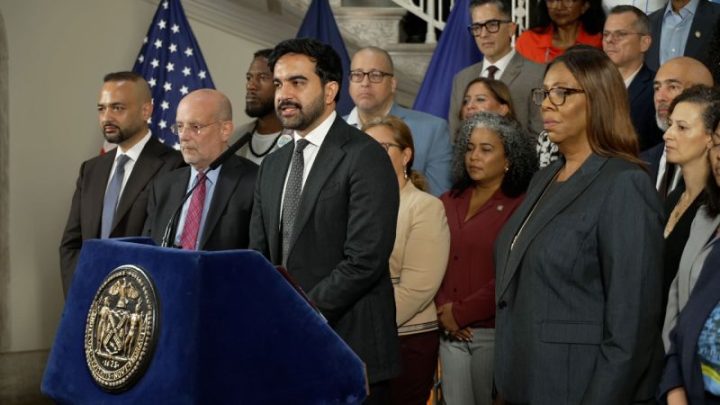
Israel moves forward with internationally condemned settlement plan that could ‘bury’ two-state solution

Daftar Isi
E1 Tender Sparks Fresh Alarm as Israel Pushes Settlement Bid That Could Sever West Bank in Two
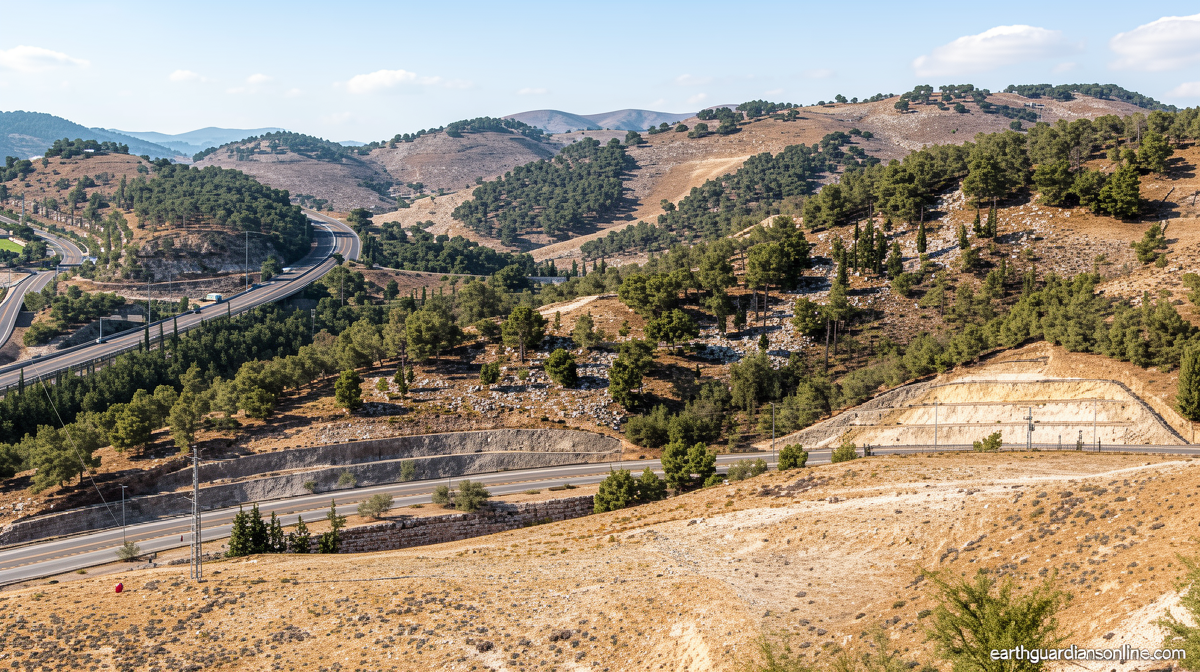
Earthguardiansonline.com – A construction tender issued by Israel’s Housing Ministry has reignited one of the most contentious disputes in the decades-long Israeli-Palestinian conflict. The notice calls for bids to build more than 1,200 new housing units in the E1 corridor, a narrow strip of land running just west of East Jerusalem’s municipal boundary. If completed as envisioned, the project would stitch together the dense settlement blocs of East Jerusalem with those deeper in the West Bank, creating an unbroken ribbon of Israeli-controlled territory that effectively bisects the occupied territory into northern and southern halves.
For Palestinian negotiators and their international allies, that geographic severance represents far more than a zoning decision. It would make a contiguous, viable Palestinian state — long envisioned as the endpoint of a two-state arrangement — structurally impossible. East Jerusalem, which Palestinians regard as the capital of any future state, would be physically cut off from the remainder of the West Bank by a wall of Israeli residential development.
A Bid Timed to the Electoral Calendar
The deadline for submitting construction bids falls exactly one week before Israel’s general elections scheduled for late October. That proximity has drawn sharp criticism from domestic watchdogs who view the move as a calculated political gesture rather than a routine planning exercise.
“This is a last-minute maneuver that is part of the scorched-earth policy the government is pursuing at the end of its term to secure long years of conflict and bloodshed for Israel,” said Peace Now, an Israeli organization that monitors settlement activity, in a statement issued Tuesday.
The timing underscores a broader pattern: the current government led by Prime Minister Benjamin Netanyahu has dramatically accelerated the pace of settlement approvals across the West Bank, even while Western capitals have imposed targeted sanctions on individuals connected to the settler movement. For years, successive Israeli administrations deliberately held E1 in administrative limbo, deferring planning and construction under sustained international pressure. The present cabinet has reversed that posture almost entirely.
Western Capitals Escalate Warnings
The international backlash has intensified over the past several months. In May, governments including Canada, Australia, and Germany issued formal advisories urging their companies to avoid participating in West Bank settlement construction, including work in E1, citing potential “legal and reputational consequences” for firms involved.
On Thursday, the leaders of France, Germany, Italy, and the United Kingdom issued a joint statement reiterating that warning and adding a pointed critique of the current security environment:
“At a time of grave instability in the West Bank with unprecedented levels of violence by settlers against civilians, and serious restrictions on the Palestinian economy, this decision is even more concerning.”
UK Foreign Secretary Ed Milliband went further, labeling the advance of the E1 plans an “unacceptable and destructive act” and threatening additional measures in response.
“Britain will not stand back and accept the destruction of the two-state solution,” Milliband said in a written statement.
Israeli Foreign Minister Gideon Saar responded swiftly on the social platform X, dismissing the British intervention:
“It is absurd for Britain to lecture the Jewish people about where they may live in their historic tiny homeland.”
Domestic Politics and the Smotrich Factor
The E1 plan received final cabinet approval the previous year, a decision championed by far-right Finance Minister Bezalel Smotrich, who framed it in explicitly existential terms:
“The Palestinian state is being erased from the table, not with slogans, but with actions.”
Smotrich’s remarks, delivered at the time of approval, signaled that the government views the corridor not as a negotiable planning item but as a fait accompli designed to foreclose the diplomatic option of a Palestinian state. Critics note that the minister’s portfolio gives him direct control over settlement funding, making the financial architecture of the project inseparable from his political agenda.
Palestinian and Regional Reactions
Riyad Mansour, the Palestinian ambassador to the United Nations, characterized the tender as “extremely dangerous, irresponsible, and threatening.” In a direct interview, he pressed the point with unusual urgency:
“This has to be stopped.”
The Egyptian government, which borders the Gaza Strip and hosts a large Palestinian diaspora, issued its own condemnation. Cairo called on the broader international community to intervene and halt the plans.
“Egypt expresses its complete rejection of attempts to entrench a policy of fait accompli through the illegal expansion of settlements and the change of the legal status and demographic makeup of occupied Palestinian territory, which undermines the chances of implementing the two-state solution,” the Egyptian government said in a formal statement.
Legal Status and the Outpost Pipeline
The United Nations and the vast majority of the international community regard all Israeli settlements in the occupied West Bank as illegal under international law, a position grounded in the Fourth Geneva Convention’s provisions on occupied territories. Yet the practical reality on the ground has moved in a different direction. Over recent years, settlers have established dozens of unauthorized outposts — structures erected without formal planning permission — and subsequently secured retroactive government approvals, converting informal encampments into permanent, state-funded communities.
E1 occupies a particularly sensitive position in this dynamic. Because it sits immediately west of East Jerusalem’s municipal line, its development would not merely add another settlement cluster but would physically weld two existing blocs together. The result, in the language of Israeli urban planners, is a continuous metropolitan zone; in the language of Palestinian diplomacy, it is the demolition of the geographic precondition for statehood.
As the bid deadline approaches and the October elections draw nearer, the corridor has become a litmus test: whether the international community’s warnings, sanctions, and diplomatic protests can alter a decision already taken at the highest levels of Israeli government, or whether the architecture of separation is being built before the next government takes office.
Related Reading
Frequently Asked Questions
What is Israel moves forward with internationally condemned?
Israel moves forward with internationally condemned is the main topic of this guide. The article explains the context, practical details, and next steps readers should understand.
Why does Israel moves forward with internationally condemned matter?
Israel moves forward with internationally condemned matters because readers are looking for a useful answer, not just a short summary. Good content should match search intent and help them decide what to do next.