States sue to stop Trump rule that would make it harder for some immigrants to get green cards

Daftar Isi
States Challenge Expanded Public Charge Rule Ahead of Its Effective Date
Earthguardiansonline.com – A coalition led by New York is moving to block a Department of Homeland Security rule that could make it more difficult for some immigrants to secure green cards, visas or admission to the United States. The rule is scheduled to take effect Friday and broadens the government’s ability to weigh an applicant’s potential reliance on public assistance.
New York and 21 other states, along with the District of Columbia, filed suit Monday in the Southern District of New York. The legal challenge asks a federal court to halt the policy, invalidate it and prevent DHS from applying it. The plaintiffs are not seeking financial damages from the federal government.
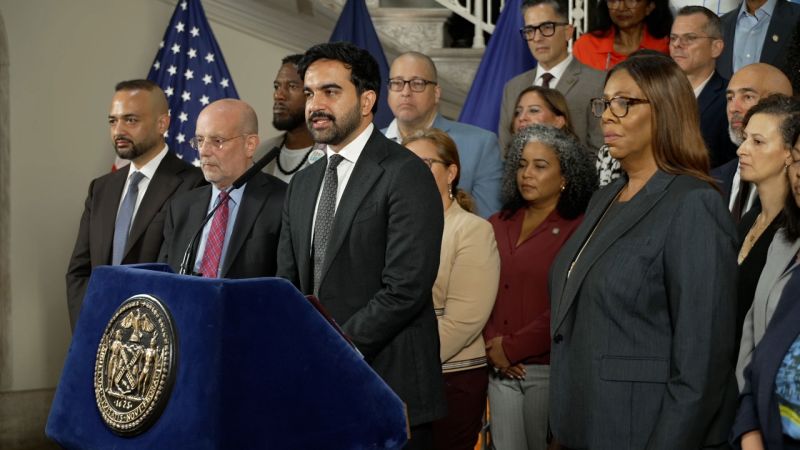
New York Attorney General Letitia James is expected to discuss the lawsuit at a City Hall news conference with New York City Mayor Zohran Mamdani. Mamdani is also leading a separate coalition of local governments pursuing a similar case.
What the rule would change
The dispute concerns the immigration-law concept known as “public charge.” Under that provision, federal officials may refuse a visa or green card when they conclude that a person is likely to become dependent on government assistance.
For much of the policy’s history, immigration reviews generally centered on cash aid, including Temporary Assistance for Needy Families and Supplemental Security Income. The incoming DHS rule takes a wider approach. Rather than naming a limited set of programs, it says the agency will consider receipt of any means-tested public benefits.
That language could allow officers to consider non-cash aid, such as Medicaid, food assistance and housing vouchers, when deciding immigration applications. The rule would also permit consideration of benefits sought for family members, including children who are US citizens.
The policy focuses on people who already hold lawful immigration status in the United States. Undocumented immigrants are not eligible for public benefits.
States warn of funding and family consequences
The states argue that the change could lead eligible immigrants and mixed-status households to leave benefit programs because they fear immigration repercussions. Their lawsuit says that outcome could cost states billions of dollars in federal funding connected to those programs.
New York maintains that DHS has gone beyond the authority Congress granted by adopting a broader definition of public charge. The complaint also contends that the rule is arbitrary and capricious because the agency did not sufficiently address its expected harms or adequately explain the basis for the shift.
“Hardworking families should not be forced to go without the support they need because they fear asking for assistance will get them deported,” James said in a release. “This rule preys on that fear and counts on families forfeiting the food assistance, health care coverage, and other public benefits to which they are legally entitled.”
The concern is especially significant in places with large immigrant communities, including New York City, where local services and public programs depend heavily on federal support. When families avoid medical coverage, nutrition assistance or housing help despite being eligible, the effects can extend beyond individual immigration cases and into public-health and household-stability systems.
Local governments plan a parallel challenge
Mamdani is expected to announce that several local governments will bring their own lawsuit in the same federal court. The group includes Chicago, San Francisco, Seattle, Santa Clara County in California and King County in Washington.
The cases seek to stop the rule before it becomes operational, placing the policy’s future in the hands of the federal judiciary. DHS has been asked to comment on the litigation.
A policy with a long and changing history
The public charge provision dates back to the Immigration Act of 1882. Federal lawmakers at the time sought to ensure that people arriving in the country could support themselves rather than become a public burden.
How that principle is applied has changed substantially over time. Immigration officers historically considered primarily cash benefits in public-charge assessments. During the first Trump administration, a 2020 rule expanded the categories that could be reviewed to include Medicaid, food stamps and housing vouchers.
In 2022, the Biden administration adopted a rule that again excluded non-cash assistance from public-charge determinations, largely returning to the earlier, narrower practice. The new DHS policy would rescind that Biden-era rule.
Its approach is broader than the 2020 version because it does not identify a fixed list of programs that may be considered. Instead, it leaves wider discretion with immigration officials by referring generally to means-tested public benefits.
For immigrant families, the practical question is whether using assistance for which they are legally eligible could affect a future immigration decision. The lawsuits argue that uncertainty alone may discourage people from accessing food, health care and housing support. The administration’s rule, meanwhile, is built on the premise that benefit use may be relevant to judging whether an applicant could become dependent on public aid.
The court challenge will determine whether DHS may put that more expansive interpretation into effect. Until a judge issues an order, the rule remains set to begin Friday.
Related Reading
Frequently Asked Questions
What is States sue to stop Trump rule?
States sue to stop Trump rule is the main topic of this guide. The article explains the context, practical details, and next steps readers should understand.
Why does States sue to stop Trump rule matter?
States sue to stop Trump rule matters because readers are looking for a useful answer, not just a short summary. Good content should match search intent and help them decide what to do next.