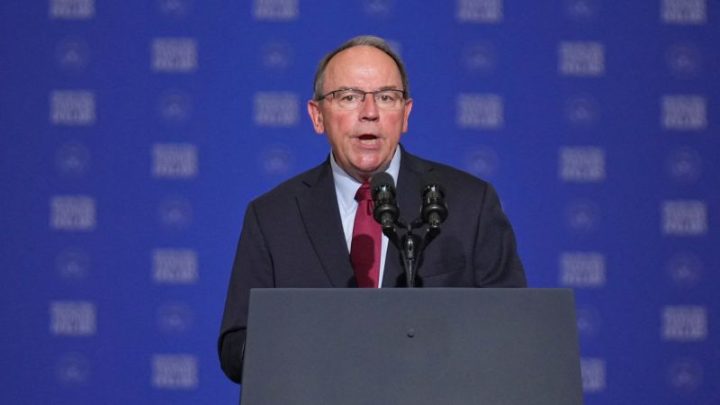
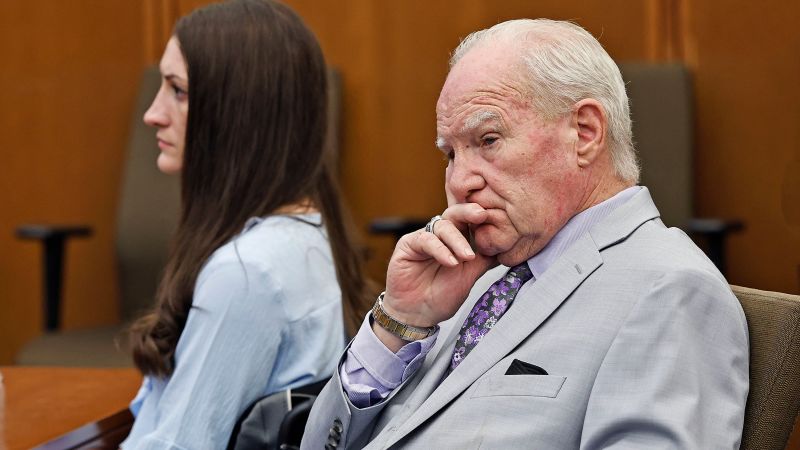
Lindsay Clancy’s attorney expresses willingness to work out a plea deal

Daftar Isi
Defense Counsel Signals Openness to Plea Bargain After Mistrial in Lindsay Clancy Case
Earthguardiansonline.com – The trial of Lindsay Clancy, a Massachusetts mother charged with fatally strangling her three young children, concluded in a mistrial last Friday after a single juror refused to join the remaining eleven in reaching a verdict. In the days since that deadlock, the defense team has pivoted from post-trial triumphalism to a more conciliatory posture. Speaking Tuesday on ABC’s “Good Morning America,” Clancy’s attorney Kevin Reddington stated plainly that he is prepared to sit down with Plymouth County District Attorney Timothy Cruz and negotiate a resolution acceptable to both sides.
The shift in tone marks a notable departure from Reddington’s immediate reaction to the mistrial. On Friday, when pressed about what he might change in a potential retrial, the defense lawyer responded with what he described as unshakable confidence:
“Why would I? I won the case.”
Reddington went further that day, declaring he had “crushed” the prosecution based on his reading of the jury’s apparent 11-to-1 split in favor of acquittal. Tuesday’s interview, however, revealed a more measured calculation. While he said he did not regret the Friday remarks, he conceded he “could have been a little more circumspect dealing with Tim Cruz,” a prosecutor he has known for three decades and described as “a very hard-charging prosecutor, a conservative gentleman.”
The Juror Deadlock and Its Broader Resonance
The mistrial itself carried the weight of a verdict. After days of deliberation, the panel of nine women and three men could not achieve unanimity. One juror held out, blocking a consensus that would have required all twelve to agree. For a trial that had already split the national conversation along emotional and medical lines, that single dissenting voice became a kind of microcosm: a complicated, heartbreaking proceeding that left the public deeply divided over where parental responsibility ends and postpartum psychiatric illness begins.
The case thrust postpartum depression, postpartum anxiety, and postpartum psychosis into mainstream American discourse in a way few criminal trials manage. Clancy’s defense centered on the argument that she should not bear criminal responsibility for acts committed while in the grip of severe psychiatric symptoms following childbirth. The prosecution, led by Cruz, maintained that the evidence supported charges of murder. The jury’s inability to agree suggested that reasonable people could look at the same facts and arrive at fundamentally different conclusions about culpability.
What a Plea Deal Would Mean in Practice
Jean Casarez, a trial attorney who covered the proceedings, noted that Reddington’s willingness to negotiate effectively signals that the defense does not want a second trial. A plea agreement, she explained, would also mean accepting some form of criminal conviction for Clancy — a trade-off the defense appears willing to make in exchange for certainty and access to treatment.
Joey Jackson, a legal analyst, framed the calculus from the defense side:
“If you’re in the defense, I think you want to get your client mental health help. Yes, you’ll have to accept criminal responsibility on a plea deal, but that would be factored into something that was on the lighter side. But that would provide my client the help she needs to get better one day.”
In practical terms, a negotiated resolution could reduce the charges, limit sentencing exposure, and — critically — open a pathway to structured psychiatric care that a full acquittal or a full acquittal-after-retrial might not guarantee. For a family still processing the loss of three children, the question of what happens next to Clancy, medically and legally, remains unresolved either way.
The Pardon Question and Jurisdictional Limits
Closing his Tuesday interview, Reddington directed a specific appeal to President Donald Trump, asking him to consider granting Clancy a pardon. Trump had commented on Friday that he had been following the trial and called it a “horrible tragedy” and “terrible.”
“Mr. President, I would hope that you would consider this young lady, the type of person she is, what she’s been through, and consider a pardon,” Reddington said.
Two important caveats temper that appeal. First, Clancy has not been convicted; under American law she remains presumed innocent until a final judgment enters. Second, the case is being tried in Massachusetts state court, not federal court. That jurisdictional distinction means the executive pardon power over this matter rests with the governor of Massachusetts, not the president. A presidential pardon would require either a federal conviction or a transfer of the case to federal jurisdiction — neither of which is currently in play. The White House has not responded to requests for comment on the matter.
Where the Case Stands Now
Cruz said Friday that his office had not yet decided whether to seek a retrial, though he characterized the prosecution’s mission as always being about “getting justice for those three little babies.” The district attorney’s office has not responded to follow-up inquiries. Whether Cruz will accept Reddington’s overture to negotiate, or instead file new charges and return the case to a fresh jury, remains the central open question in what has become one of the most closely watched state-court criminal trials of the year.
For Clancy’s family, for the three children’s extended relatives, and for the broader public still grappling with questions about postpartum mental illness and criminal accountability, the next weeks will determine whether this story ends in a courtroom, in a treatment facility, or in the offices of a governor’s pardon board. The mistrial closed one chapter. The question now is what comes next.
Related Reading
Frequently Asked Questions
What is Lindsay Clancy s attorney expresses willingness?
Lindsay Clancy s attorney expresses willingness is the main topic of this guide. The article explains the context, practical details, and next steps readers should understand.
Why does Lindsay Clancy s attorney expresses willingness matter?
Lindsay Clancy s attorney expresses willingness matters because readers are looking for a useful answer, not just a short summary. Good content should match search intent and help them decide what to do next.