
Man charged with threatening to kill ICE officer as protests continue outside New Jersey detention facility
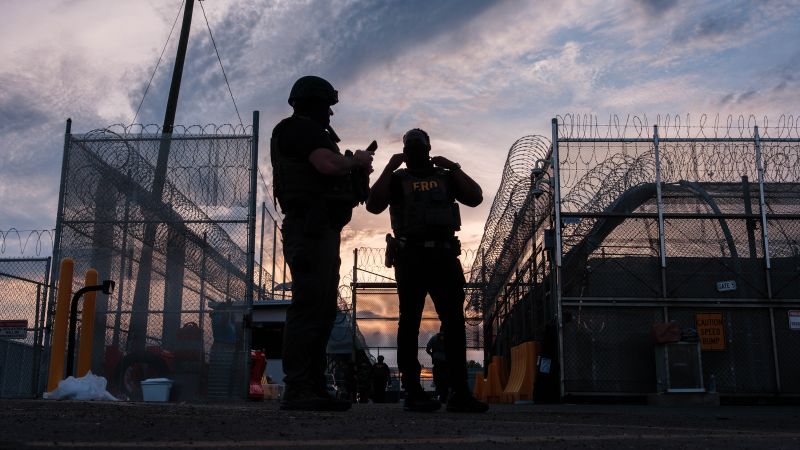
Man Charged with Threatening to Kill ICE Officer in Newark Protests
Man charged with threatening to kill – A 27-year-old man from Brooklyn, New York, has been charged with threatening to kill an Immigration and Customs Enforcement (ICE) officer during ongoing demonstrations outside a detention facility in Newark, New Jersey. The incident, which unfolded amid heightened tensions between protesters and law enforcement, has drawn attention to the growing unrest at the Delaney Hall facility, a privately operated center housing up to 1,000 detainees. According to a criminal complaint filed this weekend, Nicholas Matthew Scelfo allegedly made the threats during a protest last week, escalating the conflict and prompting arrests.
The Spark of Protests and Escalating Tensions
Protests at Delaney Hall have been a recurring feature in recent weeks, driven by residents’ persistent complaints about the facility’s conditions. Reports from detainees highlight issues such as overcrowded living spaces, limited access to medical care, and poor dietary options. These grievances have led to organized demonstrations, with some participants even staging hunger strikes to draw more attention to their plight. The unrest has not only affected the detainees but also drawn local residents into the fray, creating a broader social movement against ICE operations in the area.
Scelfo’s alleged threat came during a particularly intense protest on May 27. Witnesses reported that he shouted at an ICE officer overseeing crowd control, declaring, “I’ll kill your entire family. Every member of your family—your children, your wife—is gone. You’re dead.” The accusation details how Scelfo targeted the officer’s personal safety, linking the threat to the broader frustration felt by those inside the facility. While the specific circumstances of the incident remain under investigation, the complaint emphasizes that Scelfo’s actions were direct and emotionally charged, reflecting the deepening divide between detainees and federal agents.
Legal Implications and Federal Response
The charges against Scelfo include threats of violence against an ICE officer and their family, which could carry significant legal consequences. Federal prosecutors have described the act as a serious escalation of the protests, noting that verbal threats combined with physical confrontations pose a risk to public safety. In response, the Department of Homeland Security (DHS) has reiterated its commitment to enforcing immigration laws while addressing concerns about the treatment of detainees. DHS Secretary Markwayne Mullin stated, “Threatening an officer’s life constitutes verbal assault, and endangering their family’s safety is equally serious. Actions like spitting on an officer, physically touching them, or interacting with federal vehicles are both assaults on property and personnel.”
The incident has reignited debates about the role of ICE in local communities and the effectiveness of its interactions with protesters. Advocacy groups have criticized the agency for its heavy-handed tactics, arguing that confrontations with detainees often escalate into violence. Meanwhile, law enforcement officials have defended their actions, citing the need to maintain order and protect officers from potential harm. As the legal proceedings against Scelfo unfold, the case is expected to serve as a focal point for discussions about the balance between security and human rights in immigration enforcement.
Delaney Hall, located in Newark, has been a key site for immigration-related protests, with activists and detainees demanding better treatment and more transparency from ICE. The facility, which has been operational for several years, has faced scrutiny over its conditions, particularly following reports of medical neglect and detainee mistreatment. These issues have sparked both local and national concern, with some lawmakers calling for investigations into the facility’s operations. The recent charge against Scelfo adds another layer to the controversy, highlighting the personal stakes involved in the protests and the potential for individual actions to draw broader attention to systemic issues.
As the protests continue, community leaders and residents have called for dialogue between ICE and the public to address ongoing grievances. Some have emphasized the importance of understanding the perspectives of those detained, while others urge stricter enforcement to deter future acts of aggression. The case against Scelfo is likely to be closely watched, as it may influence public perception of ICE’s presence in the region. With the protests showing no signs of slowing, the situation remains a flashpoint for debates about immigration policy, law enforcement practices, and the rights of detained individuals.
