
Man killed in shooting outside White House had previously tried to get inside, had mental health concerns
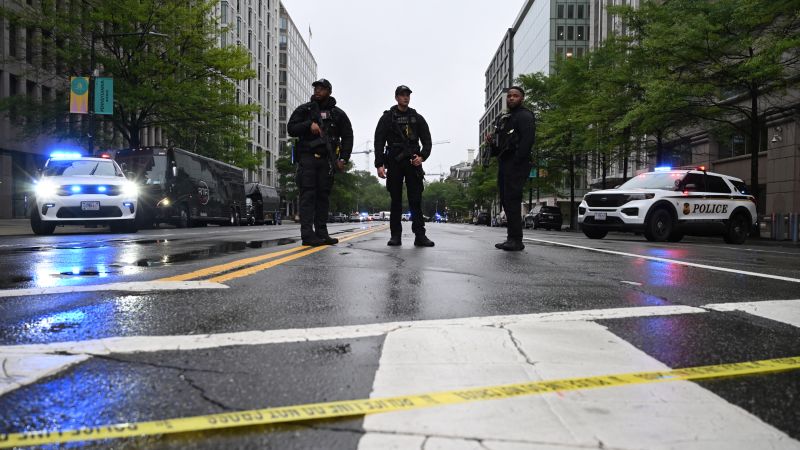
Man Killed in Shooting Outside White House Had Previously Tried to Gain Access, Sought Mental Health Treatment
Man killed in shooting outside White – Nasire Best, a 21-year-old man who was fatally shot by Secret Service agents outside the White House on Saturday, had a documented history of interactions with security personnel and local law enforcement, as revealed by court records. The incident occurred during a routine security operation, but Best’s actions and mental state raised questions about his intent and the circumstances leading to the confrontation.
Background of the Shooter
According to the court documents, Best had been known to the Secret Service for his persistent attempts to enter the White House complex. Over the course of several months, he was observed wandering near the facility, asking about entry points and how to bypass security measures. His behavior was flagged as unusual, prompting agents to monitor him closely. One notable instance involved his involuntary psychiatric commitment in early 2025, which was linked to an incident where he obstructed a vehicle’s access to the White House grounds.
Best’s mental health history was not limited to his encounters with the Secret Service. In June 2025, he was arrested by local police for a claim that left authorities puzzled. During the arrest, he declared, “I am Jesus Christ,” a statement that drew attention from both law enforcement and the public. This incident, combined with his prior psychiatric admission, suggested a pattern of behavior that blended religious fervor with a potential risk to security.
Social Media Posts Highlight Conflicting Statements
Before the shooting, Best’s online activity included posts that appeared to contradict one another. A recent post on a social media platform was interpreted as a threat against President Trump, with the content suggesting a possible attack. However, another post from the same period stated, “I’m actually the son of God,” indicating a belief in his divine identity. These conflicting messages may have contributed to the heightened sense of urgency among security teams.
“I’m actually the son of God,” Best wrote in one of his posts, a declaration that aligned with his earlier assertion of being Jesus Christ during the police arrest.
Experts note that such posts can reflect a mix of delusional thinking and a desire to assert authority. In the days leading up to the shooting, Best had been actively engaging online, with some posts hinting at a personal vendetta or a mission to confront the president. The combination of his mental health concerns and religious claims created a unique profile that security personnel would have been aware of.
The Shooting Incident
On Saturday, as Best approached a checkpoint near the White House, he began firing at Secret Service agents. The exchange of gunfire resulted in his death and a second individual being wounded. According to law enforcement sources, Trump was inside the White House at the time and remained unharmed. The quick response by agents prevented further casualties, but the incident underscored the risks posed by individuals with a history of mental health issues and potential security threats.
Witnesses reported that Best had been calm and focused as he moved toward the checkpoint. However, his actions escalated rapidly when he started shooting. The Secret Service has since confirmed that Best was the target of the gunfire, with the agency stating that he had approached the security barrier with a clear intention to engage in combat. The shooting occurred in broad daylight, with no signs of prior planning or preparation, according to initial reports.
Law Enforcement Response and Court Affidavit Details
Following the incident, the Secret Service released a statement clarifying the sequence of events. “Agents opened fire on a man who approached a checkpoint and began shooting at officers,” the agency said. This incident was not the first time Best had crossed paths with security personnel. Court affidavits revealed that he had been encountered multiple times near the White House in the summer of 2025, with agents noting his “repeated attempts to gain entry” and his tendency to challenge security protocols.
In one specific instance, on July 10, 2025, Best entered a restricted area outside the White House despite warning signs. The affidavit described him as “walking through the complex with a purpose,” though his exact intentions were unclear. He reportedly claimed to be Jesus Christ and said, “I wanted to get arrested,” a statement that may have indicated a desire to confront authorities or a belief that his actions were divinely mandated.
“He wanted to get arrested,” the court affidavit noted, adding that Best had been seen “inquiring about access points” on multiple occasions, suggesting a fascination with entering the presidential compound.
The Secret Service’s decision to shoot Best was based on the immediate threat he posed. Agents had been observing him for days, and his behavior on the day of the incident was described as “aggressive” and “unpredictable.” The agency emphasized that the shooting was a necessary measure to protect the president and other visitors. However, the incident has sparked debates about the balance between security and civil liberties, with some critics questioning whether Best’s actions were enough to justify lethal force.
Context and Aftermath
The White House shooting has been placed in the broader context of recent security challenges. Officials have expressed concern about the increasing number of individuals with mental health issues attempting to breach secure areas. Best’s case is being reviewed for potential patterns that could inform future security protocols. His death has also prompted a renewed focus on the role of mental health in threat assessments, with experts calling for more collaboration between law enforcement and mental health professionals.
While the immediate cause of the shooting was the threat posed by Best, his background adds layers to the incident. The combination of his religious claims, mental health history, and attempts to enter the White House complex highlights the complexity of such threats. Security agencies are now analyzing his actions to determine whether they were deliberate or a result of his psychological state.
As the investigation continues, more details about Best’s life and motivations are expected to emerge. His social media posts, mental health records, and interactions with security personnel all point to a man who was both determined and perhaps delusional. The shooting outside the White House serves as a reminder of the challenges faced by security teams in identifying and neutralizing potential threats in real time.
Best’s story is not just one of a single act of violence but a culmination of events that led to his confrontation with agents. His history of mental health concerns and religious assertions suggests a mind that was both vulnerable and focused on a singular goal. The incident has left questions about how such individuals are monitored and whether their actions are seen as a direct threat to national leaders.
