
Oceans in deep trouble, trademark fight, virus protections: Catch up on the day’s stories
Oceans in Deep Trouble, Trademark Battle, and Virus Protections: Top Stories of June 3
Common Viruses Pose Greater Threat Than Rare Pathogens
Oceans in deep trouble trademark fight – As Ebola and hantavirus continue to capture public attention, health experts highlight a more pressing concern: the widespread impact of common viruses. While outbreaks of these rare pathogens remain headline-worthy, they argue that everyday viruses like influenza, respiratory syncytial virus (RSV), and norovirus are responsible for significantly more global health challenges. These microorganisms thrive in densely populated areas and are more likely to cause prolonged illness or economic disruption. The urgency of protecting against them has led to a surge in recommendations for preventive measures, including vaccination, hygiene practices, and early detection protocols.
“Ebola is a rare event, but the flu is a constant threat,” said Dr. Lena Torres, a virologist at the National Institute of Allergy and Infectious Diseases. “We need to focus on the everyday viruses that affect millions annually.” Her remarks underscore the importance of public health strategies tailored to these more pervasive pathogens. The rise in viral infections has also prompted discussions about the need for updated medical infrastructure and community-based prevention programs.
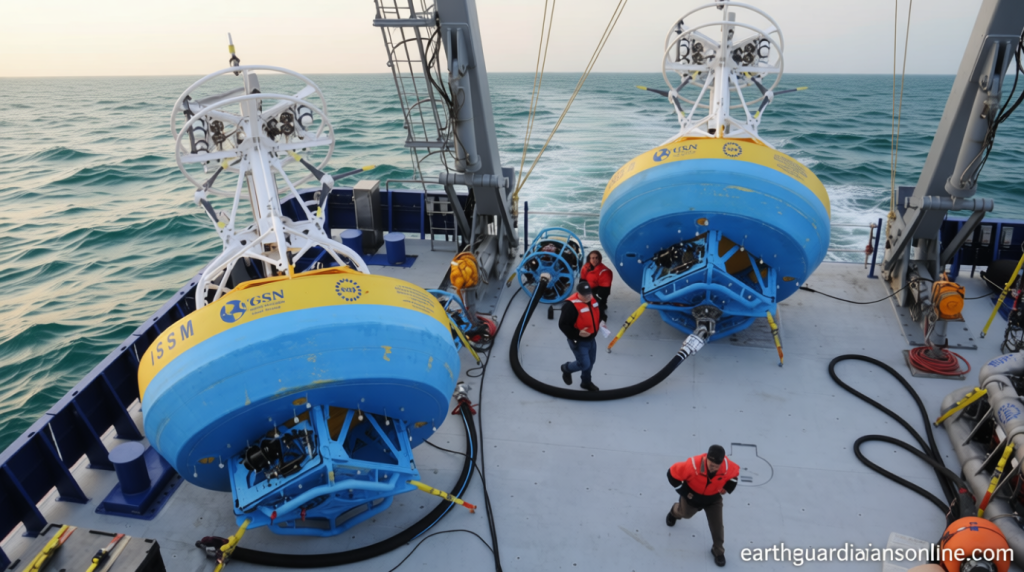
Ocean Monitoring System at Risk of Disbandment
Amid escalating climate concerns, the Trump administration has proposed dismantling a key ocean monitoring program that has been instrumental in tracking critical data about marine ecosystems. This initiative, which has provided vital insights into rising sea temperatures, ocean acidification, and biodiversity loss, is now under threat as part of broader budget cuts. Scientists warn that the loss of this system could hinder efforts to address environmental crises, particularly as the planet faces the potential onset of a super El Niño event.
“The data from this program is essential for predicting weather patterns and understanding long-term ecological changes,” explained marine biologist Dr. Samuel Reed. “Without it, we risk missing early signs of disaster.” The program’s termination has sparked debate among environmental groups, who argue that its removal would weaken the U.S.’s ability to monitor and respond to oceanic challenges. With sea temperatures already reaching record highs, the decision has drawn criticism from climate advocates and international partners who rely on the information for their own research.
Cuba’s Reliance on International Medical Missions
Cuba has long depended on international medical exchanges for financial stability, as its healthcare workers contribute to global health efforts in regions with limited resources. These missions, which send doctors and nurses to countries in Africa, Asia, and Latin America, are a cornerstone of the nation’s economy. However, recent tensions have led several Latin American nations to reconsider their partnerships, citing concerns over unfair labor practices and resource exploitation.
“Our medical professionals provide critical care in areas where access is limited, but we’re being asked to pay more for less,” said a spokesperson for the Cuban Ministry of Health. “This is a challenge for our country’s international standing.” The shift in diplomatic relations could affect the flow of funds and the availability of medical services, raising questions about the future of Cuba’s role in global health. Meanwhile, the country continues to prepare for its own domestic healthcare needs, which have been strained by ongoing challenges.
Supreme Court Prepares for High-Profile Rulings
June is shaping up to be a crucial month for the U.S. Supreme Court as justices tackle a range of high-stakes cases. With over two dozen opinions expected in the coming weeks, the court’s decisions could reshape policies on executive authority, immigration laws, and voting rights. Key among these are debates over the extent of presidential power in emergency situations and the validity of mail-in ballots in federal elections.
Legal analysts predict that the rulings will have wide-ranging implications, potentially influencing everything from environmental regulations to corporate accountability. “The court is balancing individual rights against government control, and its decisions will set important precedents,” noted constitutional scholar Professor Raj Patel. The momentum of the term has also drawn attention to the court’s role in shaping the nation’s political landscape, with many observers watching closely for landmark verdicts.
China’s Growing Interest in the World Cup
While North America takes center stage for the upcoming World Cup, China is positioning itself as a key observer of the tournament. Though the nation has not yet hosted the event, its investment in football infrastructure and rising global influence suggest a strategic shift in its approach to international sports. Analysts note that China’s participation in the World Cup’s global media and commercial networks could signal a broader cultural embrace of the sport.
“China’s interest in the World Cup reflects its desire to align with global sports trends and showcase its progress,” said sports commentator Emily Cho. “This might be the turning point where the ‘beautiful game’ gains a lasting foothold in the country.” The tournament’s success in Asia could also influence the region’s future as a hub for international football, challenging traditional powerhouses like Europe and South America.
Trademark Dispute and the Power of Identity
Environmental activist and drag queen Pattie Gonia has become a focal point in a trademark battle involving Patagonia, a renowned outdoor apparel brand. The lawsuit, which claims Gonia’s name infringes on Patagonia’s intellectual property, has sparked a broader conversation about the intersection of identity and commerce. In a
statement, Gonia said, “This is about more than just money. It’s about how our names and identities are used to sell products while we fight for the planet.”
Her defense highlights the emotional and cultural weight of her name, which has become synonymous with advocacy and creativity. The case has drawn support from fans and allies who see it as a symbol of resistance against corporate monopolization of public figures’ identities. As the legal proceedings unfold, the outcome could set a precedent for similar disputes in the entertainment and environmental sectors.
Life-Saving Rescue in Aurora, Colorado
During a severe storm in Aurora, Colorado, a dramatic rescue unfolded as emergency responders saved a woman from a car submerged in floodwaters. The incident, captured on bodycam footage, showcased the swift action of local police in a high-pressure situation. “We had no time to think—we just reacted,” said Officer Marcus Lin, who led the operation. “The woman was in danger, and we had to act fast.”
Footage of the rescue has since gone viral, emphasizing the importance of preparedness in extreme weather events. The incident also underscores the role of first responders in mitigating risks during natural disasters. Meanwhile, the National Geographic Traveller UK photo competition has highlighted other visually striking moments, including a polar bear resting peacefully, a bustling dumpling stall in Seoul, and the remnants of a rain shower in a desert landscape.
Exclusive Insights and Subscription Opportunities
For deeper analysis of these and other stories,
subscribers gain access to unlimited articles and expert commentary.
The quiz featured in yesterday’s edition asked
