
Prosecutors say he sparked the Palisades Fire and was ‘fixated’ on Luigi Mangione. Now Jonathan Rinderknecht heads to trial
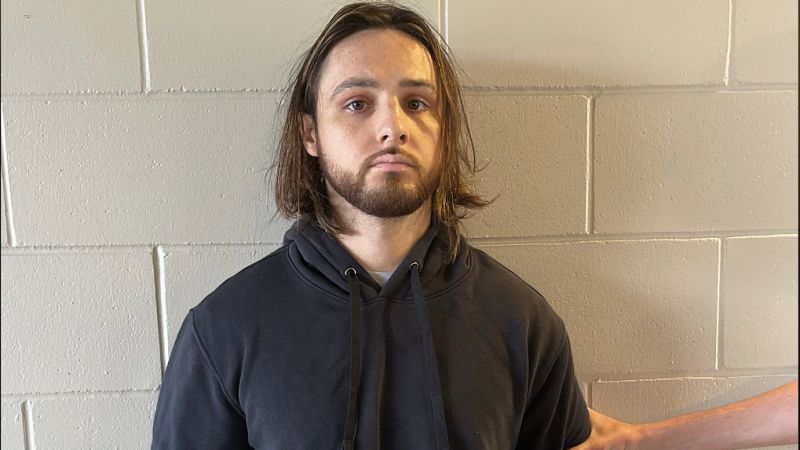
Jonathan Rinderknecht Set to Face Trial Over Palisades Fire Allegations
Prosecutors say he sparked the Palisades – Jonathan Rinderknecht, the Uber driver accused of sparking the Palisades Fire, is set to stand trial in Los Angeles this week. Prosecutors claim his fixation on Luigi Mangione, the suspect in the UnitedHealthcare CEO shooting, and his alleged desire to retaliate against the wealthy elite led to the devastating blaze that claimed twelve lives in the Pacific Palisades neighborhood on January 7, 2025. Roughly a year and a half after the incident, the case has entered its next phase, with the government presenting evidence that ties Rinderknecht’s actions to a premeditated plan to ignite the fire.
The Fire’s Origins and Timeline
The Palisades Fire, which erupted on New Year’s Day, 2025, began as a smaller blaze that smoldered in the area before escalating into a catastrophic event. Prosecutors argue that Rinderknecht, who had been working in the Palisades around the time of the fire, intentionally set the initial fire, which later spread rapidly through the affluent community. Surveillance footage and witness accounts suggest he was in the vicinity shortly after his final Uber ride, where he reportedly expressed frustration over his inability to form connections or make plans, a sentiment linked to his alleged motive.
Although the initial fire was small, its consequences were severe. The Palisades Fire consumed homes and businesses, forcing evacuations and causing widespread destruction. Prosecutors emphasize that the fire’s progression was not accidental but rather the result of Rinderknecht’s deliberate actions and his familiarity with the terrain. The case has drawn national attention, as it intertwines personal grievances with a broader social message about wealth inequality.
Obsession and Connection to Mangione
Rinderknecht’s alleged obsession with fire-setting behavior and his fixation on Luigi Mangione are central to the prosecution’s narrative. Days before the Palisades Fire, he was repeatedly watching a rap video featuring scenes of objects burning, which the government interprets as a symbolic act of vengeance. This obsession is further reinforced by his online searches, including phrases like “free Luigi Mangione” and “reddit lets kill all the billionaires,” suggesting a possible link between the two incidents.
Prosecutors argue that Rinderknecht’s actions were inspired by Mangione’s UnitedHealthcare CEO shooting, which occurred in Manhattan just a month prior. The government’s case hinges on the idea that the Palisades Fire was a form of vigilante justice, targeting the wealthy class that Rinderknecht believed had wronged him. However, his defense team contends that the connection is speculative, noting that the initial investigation did not establish a direct link to the fire before his indictment.
“The Palisades Fire is being framed as an act of retribution against the elite, much like the UnitedHealthcare shooting,” said Josh Campbell, a CNN senior correspondent and former FBI agent. “This suggests that Rinderknecht’s fixation on Mangione was more than just a coincidence—it was a calculated effort to send a message.”
Defenses and Evidence Challenges
Rinderknecht’s attorneys have challenged the government’s narrative, arguing that the evidence against him is circumstantial. They point to the initial investigation, which found no direct connection between Rinderknecht and the Palisades Fire before he was charged. In a court filing, the defense highlighted that the search warrants for other suspects led to a “trail going cold” before the prosecution claimed Rinderknecht as the primary suspect.
One of the key points of contention is the use of ChatGPT-generated images depicting crowds fleeing flames. Prosecutors used these to suggest Rinderknecht planned the fire as a means to incite chaos, but the judge ruled they cannot be used as direct evidence. Despite this, the prosecution maintains that Rinderknecht’s behavior and statements during the fire support their claim of premeditated intent. The defense, however, argues that the government is stretching the evidence to fit a broader narrative of social unrest.
Testimony and Public Reaction
Testimony from witnesses has painted a picture of a man on the edge, who may have acted out of frustration and a desire for symbolic retribution. Surveillance footage shows Rinderknecht hiking near the fire’s origin shortly after his final Uber drop-off, and he was recorded calling 911 multiple times before fleeing the scene. Prosecutors claim this timeline supports their argument that he was in control of the fire’s ignition and spread.
The Palisades Fire has sparked a mix of public reactions, with some calling it a tragic act of revenge and others questioning the government’s rush to accuse Rinderknecht. As the trial approaches, the case will likely highlight broader debates about wealth inequality, mental health, and the role of technology in influencing criminal behavior. For
