
Sick of Earth? NASA is recruiting volunteers for a yearlong Moon and Mars simulation
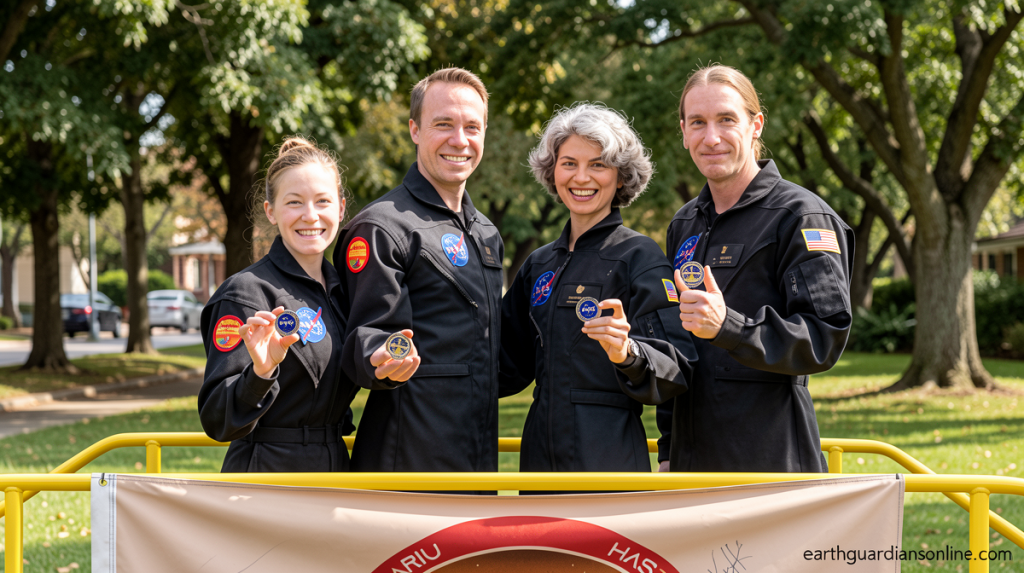
Sick of Earth NASA is recruiting for groundbreaking Moon and Mars simulation mission
Sick of Earth NASA is recruiting – If you are Sick of Earth NASA is recruiting volunteers for an extraordinary yearlong simulation that will test human endurance in conditions mimicking both the Moon and Mars. This pioneering program offers ordinary citizens the chance to experience what life might be like living beyond our planet’s atmosphere. The space agency announced this exciting opportunity earlier this month, inviting individuals from all backgrounds to apply for one of four available positions in the Moon and Mars Exploration Analog initiative.
While this simulation takes place entirely on Earth, participants will face many of the same challenges that future astronauts will encounter during actual space missions. The twelve-month core phase begins no sooner than August 2027 at NASA’s Johnson Space Center in Houston, Texas. During this extended period, volunteers will live in confined quarters that replicate the isolation and constraints of interplanetary travel.
What Makes This Simulation Unique
Selected participants will engage in daily activities that closely mirror those performed by real astronauts. These include cultivating food supplies, monitoring personal health metrics, and conducting simulated spacewalk exercises. The program is designed to provide researchers with valuable data about human adaptation to extended periods away from Earth’s natural environment.
Volunteer research participants contribute greatly to the knowledge base by helping NASA characterize the risks and test countermeasures to enhance human performance during long duration space exploration missions.
One particularly challenging aspect involves adapting to the Martian calendar. Since a Martian day, known as a sol, lasts approximately forty minutes longer than an Earth day, this discrepancy creates unique challenges for sleep patterns and daily routines. Crew members must adjust their circadian rhythms to accommodate this difference, which could significantly impact their overall operational efficiency throughout the mission.
Two-Phase Habitat Experience
The simulation utilizes two separate facilities to create a comprehensive experience. The first phase takes place inside a mock 650-square-foot spacecraft where volunteers live as though they were traveling from Earth to either the Moon or Mars. Each participant enjoys private quarters equipped with sleeping, working, and bathing areas, though the bathroom design differs slightly from actual spacecraft fixtures.
Following the transit simulation, the crew transitions to a surface-dwelling phase within a single-story structure spanning 900 square feet. This second habitat focuses on long-term habitation challenges, including resource management, communication delays, and psychological well-being during extended stays.
Participants will experience simulated communication delays with mission control, ranging from several minutes to hours depending on which celestial body they are simulating. This feature adds another layer of realism to the experience, as astronauts on actual missions must cope with delayed responses when communicating with Earth.
The selection process considers various factors including physical fitness, psychological resilience, and teamwork capabilities. Applicants must demonstrate their ability to work collaboratively in confined spaces while maintaining mental health over an extended period. NASA emphasizes that diverse backgrounds and skill sets are valued, as different perspectives contribute to the program’s success.
The data gathered will be crucial for minimizing hazards associated with deep space travel and planetary landings, according to agency representatives.
Beyond physical safety concerns, the program investigates how human crews adapt to isolation and confinement. Researchers will monitor stress levels, sleep quality, interpersonal dynamics, and cognitive performance throughout the simulation. These measurements help identify potential issues before they become critical problems during actual space missions.
For those Sick of Earth NASA is recruiting for this opportunity, the application process typically opens several months before the program begins. Selected volunteers receive comprehensive training before entering the simulation, preparing them for the unique challenges ahead. The experience offers not only a contribution to space exploration but also a personal journey into what might become humanity’s future among the stars.
