
Swimmer bitten on the foot at New York City beach in a suspected shark attack
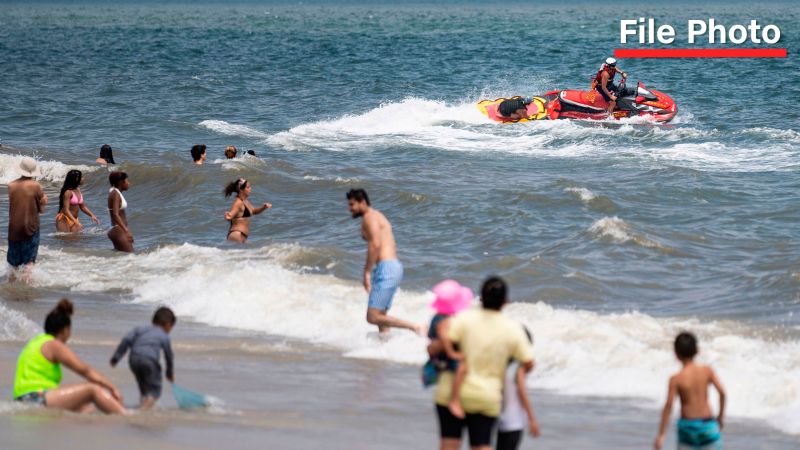
Shark Attack Injures Swimmer at New York City Beach, Sparks Temporary Closure
Swimmer bitten on the foot at New – A New York City swimmer was attacked by a shark on Friday, suffering a serious foot injury at Jones Beach, according to the New York City Parks Department. The incident, which is suspected to be a shark attack, led to the immediate closure of the beach for safety inspections. This event occurred just one day after reports of multiple shark sightings were logged at other beaches across the city and Long Island, raising concerns about increased marine activity in the region.
Emergency Response and Initial Actions
The victim was swimming in the waters of Jones Beach State Park Field 6 when they were bitten, resulting in lacerations on their foot. Lifeguards at the scene quickly assessed the situation and called for emergency medical assistance. An ambulance transported the injured individual to a nearby hospital, where they received treatment for non-life-threatening injuries. During the incident, officials suspended swimming activities to conduct a thorough search for sharks and other potentially dangerous marine creatures.
The search, which lasted approximately an hour, did not uncover any sharks or other threats in the immediate vicinity. As a result, swimming was allowed to resume, though restricted to wading up to the waist. This temporary limitation was imposed to ensure the safety of beachgoers while authorities monitored the area closely. The Parks Department confirmed that the closure was precautionary, as the presence of sharks had not been definitively confirmed.
Broader Context of Shark Sightings
Earlier in the week, New York City officials reported several shark sightings at Rockaway Beach in Queens, prompting intermittent closures of the area. These closures were accompanied by warnings from the city’s Emergency Management team, urging visitors to follow lifeguard instructions and remain cautious. The same day, lifeguards at a Long Island beach near Point Lookout spotted a shark in the water, leading to an immediate evacuation of swimmers and the temporary shutdown of the beach.
These sightings are part of a growing trend observed in recent months, with authorities attributing the increase to warmer ocean temperatures and the use of drones to monitor marine life more effectively. The drones have been deployed to scan for sharks in areas where they are commonly found, such as the coastal waters of the eastern United States. However, despite the heightened awareness, shark bites remain relatively uncommon, even in regions where these predators are frequently sighted.
Heatwave and Increased Beach Activity
The beach closures and safety measures come amid a record-breaking heatwave that has intensified across the eastern United States. High temperatures have drawn large crowds to coastal areas, creating a surge in water activities and increasing the likelihood of encounters with marine life. While the heatwave has boosted attendance at beaches, it has also prompted officials to remain vigilant about potential risks, including shark activity.
Experts note that the presence of sharks in these waters is not unusual, but the frequency of sightings has been a point of discussion. Gavin Naylor, director of the Florida Museum of Natural History’s shark research program, highlighted this in a statement to The Associated Press. “There are between 60 and 80 known unprovoked bites worldwide each year, and it’s extremely rare that two or more people are bitten in close proximity,” he said. This rarity underscores the importance of prompt action and the effectiveness of current monitoring systems in preventing more serious incidents.
Public Awareness and Safety Measures
As the summer season progresses, public awareness of shark behavior and safety protocols is becoming increasingly critical. Officials have emphasized the need for beachgoers to stay informed and follow guidelines, particularly during periods of heightened activity. The recent closures at Jones Beach and Rockaway Beach serve as reminders of the unpredictable nature of marine life and the measures required to mitigate risks.
Authorities are also working to educate the public about the likelihood of encountering sharks and the steps to take if an attack occurs. This includes avoiding swimming during dawn or dusk when sharks are more active and staying close to shore. Despite the current concerns, the New York City Parks Department remains confident that the situation is under control and that the beaches will continue to be safe for visitors. The incident at Jones Beach is being investigated to determine if it was indeed a shark attack or if other factors contributed to the injury.
Seasonal Trends and Future Outlook
With the summer months approaching, the frequency of shark sightings is expected to rise, especially in warmer waters. The use of technology, such as drones, has proven to be an effective tool in detecting sharks and reducing the risk of attacks. However, while these measures enhance safety, they do not eliminate the possibility of incidents. The Parks Department is reviewing its protocols to ensure they are prepared for any future encounters.
Experts stress that shark attacks, though alarming, are rare events. The global average of 60 to 80 unprovoked bites per year is a testament to the low probability of such occurrences. Nonetheless, the recent events in New York City have sparked renewed interest in shark behavior and safety precautions. As the summer continues, authorities will closely monitor the situation and adjust their strategies accordingly to protect both swimmers and marine life.
