
They survived one of the worst mass shootings in US history. What life looks like 10 years after Pulse
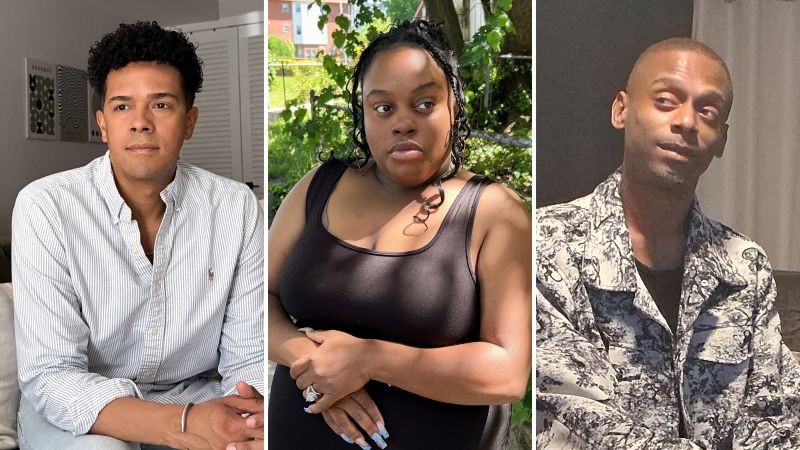
Survivors of the Pulse Nightclub Shooting Reflect on a Decade of Resilience
They survived one of the worst – On the night of June 12, 2016, the Pulse nightclub in Orlando became a symbol of tragedy and unity. The attack, which left 49 people dead and over 50 injured, marked a turning point in the nation’s understanding of gun violence and its intersection with prejudice. Ten years later, those who endured the chaos still carry the scars of that night, their lives forever altered by the loss of loved ones and the relentless question of how to move forward.
A Night of Joy Turned to Terror
As the early hours of Pride month unfolded, more than 300 individuals gathered at Pulse, a vibrant hub for the LGBTQ+ community. Latin music echoed through the space, and the air was thick with laughter and the clink of glasses. But the atmosphere shifted abruptly at 2 a.m., when the sound of gunfire pierced the revelry. Keinon Carter and his friend Antonio Brown, who had just exited the restroom, found themselves caught in the crossfire. Carter, now a survivor, recalls the moment with visceral clarity: a line of bullets struck them as they stepped into the chaos, a scene that would haunt him for years.
The shooter, identified as Omar Mateen, was 29 years old at the time. Over several hours, he methodically targeted patrons, leaving a trail of devastation. When law enforcement finally arrived, armed with an armored vehicle, they ended the attack by killing the gunman. Yet the damage had already been done. The Pulse shooting became the deadliest mass killing in U.S. history, and its classification as both a terrorist act and a hate crime underscored the deep-seated bigotry that fueled the violence. The majority of victims were young gay men of Hispanic descent, a grim reminder of the community’s vulnerability.
The Weight of Survival
For many survivors, the aftermath of the attack brought an unrelenting tide of grief and uncertainty. Keinon Carter, who suffered severe injuries, had to grapple with the reality of his survival daily. His friend Antonio Brown, who succumbed to his wounds, became a focal point of his sorrow. Meanwhile, others like Tiara Parker buried their trauma beneath layers of denial, only for it to resurface in moments of quiet despair. “You don’t realize how much you’ve lost until you’re forced to confront it,” Parker shared, her voice trembling as she recounted the emotional toll of the event.
Brandon Wolf, a survivor who had been thriving in his career, found his world upended. In the summer of 2016, he had just been promoted to district manager of several Orlando Starbucks locations, including one near Pulse. His ambitions included working at Starbucks headquarters in Seattle and owning a modest suburban home with a Subaru in the driveway. But the shooting upended those dreams, thrusting him into a reality where survival was the first victory and rebuilding life became a relentless task.
Unbreakable Bonds and Unfinished Stories
Wolf’s friendship with Christopher Leinonen, known affectionately as “Drew,” was one of the most profound relationships of his life. The two had grown inseparable, sharing a deep bond that extended beyond casual acquaintances. Leinonen, a 32-year-old with a vibrant personality, had been Wolf’s biggest supporter, pushing him to envision a future filled with ambition. “He believed in me when I didn’t believe in myself,” Wolf reflected, his tone both nostalgic and somber.
On the night of the attack, Wolf had invited Leinonen and his boyfriend, Juan Ramon Guerrero, to Pulse. The plan was simple: to enjoy the music and the company of friends. But the night took a dark turn when the shooting erupted. Wolf remembered being in the restroom, washing his hands, when the chaos began. He could see the plastic cup on the sink, its sides glistening with condensation, a stark contrast to the terror surrounding him. Though he escaped, he couldn’t forget the faces of strangers who had fled into the bathroom, their fear etched in his memory.
“There’s no way to prepare for the moment when you have to call someone’s parents and tell them their child won’t be coming home,” Wolf said. The incident reshaped his perspective on success, turning his dreams into a fragile pursuit of normalcy. In the days following the attack, he struggled to craft a eulogy for Leinonen, whose life had been so deeply intertwined with his own. “Drew was more than a friend; he was a compass,” Wolf added. “He taught me to dream bigger, even as the world tried to crush us.”
A Legacy of Hope and Action
As the years passed, the Pulse shooting evolved from a national tragedy into a catalyst for change. Survivors like Wolf channeled their pain into advocacy, striving to create a world where such violence would not repeat. The LGBTQ+ community, once shaken by the attack, found strength in solidarity. Pride events now carry the weight of remembrance, with murals and memorials honoring the fallen. Yet the scars remain, and the journey toward healing is ongoing.
For Wolf, the shooting was a wake-up call that transformed his career and personal life. Today, he is not only living out his professional aspirations but also dedicating himself to fostering understanding and acceptance. “I used to think success meant climbing the corporate ladder, but now it’s about making sure others don’t have to face the same fear,” he said. His story, like those of many survivors, is a testament to resilience and the power of community to heal even in the face of unimaginable loss.
As the 10th anniversary approaches, the survivors of Pulse continue to share their journeys, both painful and inspiring. Their voices remind us that while the past cannot be undone, the future is still within reach. The tragedy at Pulse nightclub remains a defining moment in American history, a reminder of the cost of hatred and the enduring strength of those who lived to tell its story.
