
US-backed democracy talks start in Venezuela without Nobel laureate Machado
Venezuela Enters New Chapter as US-Sponsored Democratic Dialogue Begins
Earthguardiansonline.com – Caracas hosted a pivotal gathering Thursday as government representatives and opposition leaders convened for talks that could reshape the nation’s political trajectory. The negotiations, backed by Washington, follow weeks of postponements and signal a potential turning point for the South American country. American influence stands at the center of these discussions, with the United States playing an active role after orchestrating efforts to remove President Nicolás Maduro from power.
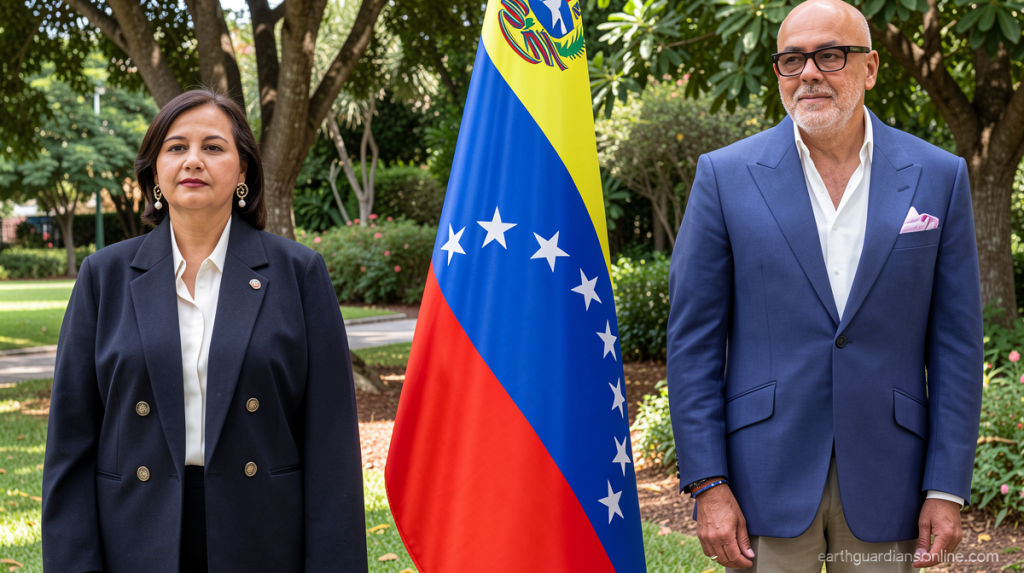
Jorge Rodríguez heads the government delegation, serving as president of the current National Assembly while also being the sibling of acting president Delcy Rodríguez. On the opposition side, Dinorah Figuera directs a coalition made up of legislators from the 2015 National Assembly—the final legislative body that American officials recognized as legitimate.
Key Figures Missing from the Table
Two prominent opposition voices remain absent from the proceedings. María Corina Machado and Edmundo González Urrutia, both former presidential candidates, continue to reside abroad. Despite their physical absence, each has committed to watching the negotiations closely and expressed optimism that the discussions will culminate in fresh elections.
Since 2013, Caracas has organized over twelve negotiation attempts with various opposition groups, yet none produced tangible outcomes. Analysts suggest this round may break the pattern, marking the first initiative actively promoted and partially directed by American authorities.
A Three-Phase American Vision
The dialogue aligns with Washington’s comprehensive strategy encompassing stabilization, economic recovery, political reconciliation, and democratic transition. The ultimate objective involves organizing new elections to restore democratic governance. Representatives from both sides identified three priority areas: addressing the devastating June earthquakes, reinforcing democratic structures, and securing political rights for all citizens.
Figuera, who reached Venezuela on Wednesday evening, outlined additional discussion topics. These include potentially reorganizing the electoral oversight body to enhance credibility and reliability, alongside implementing reforms within the Supreme Court of Justice. Speaking with Venezuelan television network Televen, she emphasized that the process requires patience, noting that comprehensive results might emerge by December.
The US Embassy in Caracas said it welcomes the talks and remains committed to supporting Venezuelan-led efforts to strengthen democratic institutions, expand political freedoms, and promote a more stable and prosperous future for the people of Venezuela.
American Influence Takes Center Stage
US Secretary of State Marco Rubio clarified in mid-July that these discussions extend beyond mere reconciliation. He characterized them as the beginning of a transition process with substantial American participation. Venezuelan analyst Carmen Beatriz Fernández, who directs the consulting firm DataStrategia, highlighted this shift in dynamics.
The strings of this negotiation are not being pulled by the government, but by the State Department. And that is becoming increasingly clear, no matter how much they try to disguise it and make it less obvious.
While Rodríguez maintains that Venezuela’s renewed relationship with America rests on diplomatic and commercial cooperation rather than subordination, external observers see deeper involvement. Christopher Sabatini, director of the Latin America program at Chatham House think tank, noted that Washington holds genuine leverage over both sides through economic, political, and legal mechanisms including sanctions and other restrictions.
Figuera’s Political Journey
The opposition’s lead negotiator brings extensive experience to the table. A cancer survivor, Figuera began her public service as a councilor representing the Libertador Municipality of Caracas from 1995 through 2000. She entered national politics in 2010 when elected as a deputy for Caracas in the National Assembly, then represented Aragua state in the same chamber beginning in 2015.
Political tensions forced Figuera into exile in Spain in 2018 following alleged threats and harassment from Venezuelan authorities. During the period spanning 2019 to 2023, she played a crucial role in the opposition movement championed by Juan Guaidó. That movement mounted an unsuccessful challenge against Maduro while receiving backing from then-President Donald Trump during his initial term in office.
Opposition deputies from the 2015 National Assembly selected Figuera as president of the legislative body in January 2023. Shortly thereafter, the Venezuelan government issued arrest warrants and a red alert targeting five former opposition deputies, including Figuera, charging them with usurpation of functions and treason.
Looking Ahead
The success of these talks carries implications beyond Venezuela’s borders. Regional stability, economic recovery prospects, and the future of democratic institutions in Latin America all hang in the balance. As both sides work through complex issues ranging from electoral reform to political rights, the international community watches closely to see whether this American-backed initiative can finally deliver the concrete results that eluded previous attempts.
The coming months will reveal whether the combination of American pressure, domestic political will, and opposition engagement can transform Venezuela’s trajectory toward genuine democratic renewal or whether the talks will join the long list of negotiations that ended without meaningful progress.
Related Reading
Frequently Asked Questions
What is US backed democracy talks start in Venezuela?
US backed democracy talks start in Venezuela is the main topic of this guide. The article explains the context, practical details, and next steps readers should understand.
Why does US backed democracy talks start in Venezuela matter?
US backed democracy talks start in Venezuela matters because readers are looking for a useful answer, not just a short summary. Good content should match search intent and help them decide what to do next.
