
US expert on underground nuclear tests detained in China for 18 months
US Expert on Underground Nuclear Tests Detained in China for 18 Months
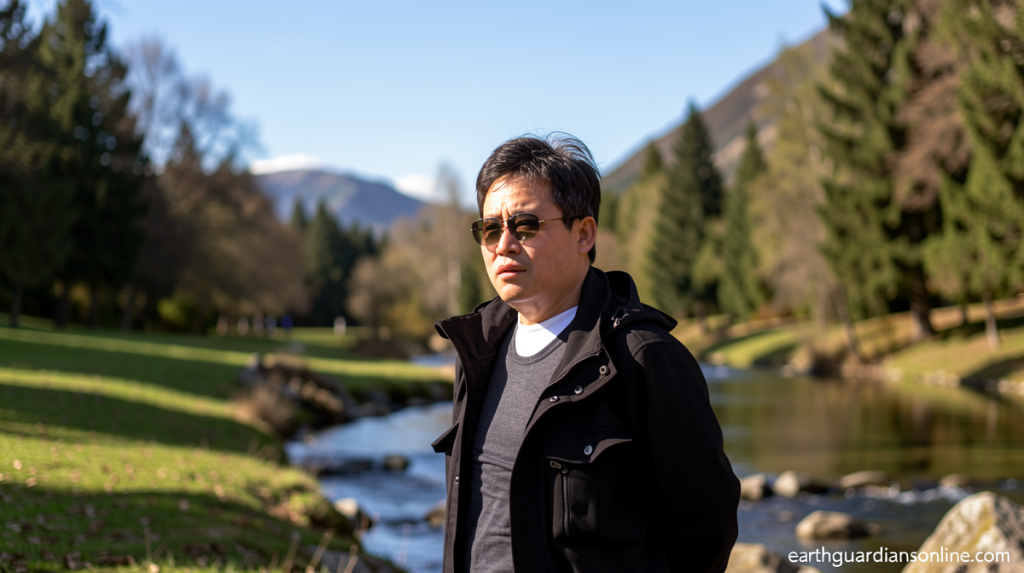
US expert on underground nuclear tests – Youlin Chen, a distinguished American researcher and recognized US expert on underground nuclear testing, remains in custody in China for a period that has now surpassed eighteen months. Initially arrested in November 2024, Chen, who lives in Boston and has a son currently in college, is facing serious accusations of espionage while incarcerated. According to statements made by American political figures and advocacy groups, the scientist is enduring an unjust imprisonment as part of a broader geopolitical struggle. His case has become a significant point of contention, highlighting the increasing scrutiny placed on American academics and scientists operating within Chinese borders.
Diplomatic Efforts and Wrongful Detention Status
The situation involving the US expert on underground nuclear studies has reached the highest levels of the American government. President Donald Trump personally addressed the matter during a critical diplomatic summit with Chinese leader Xi Jinping in Beijing this past May. The non-profit organization Global Reach, which has been actively supporting Chen’s family, confirmed that the President specifically requested the scientist’s immediate freedom during these high-level talks. Furthermore, Chen is currently recognized as the sole American citizen in China who is officially classified by the United States government as being wrongfully detained, setting his case apart from other similar incidents.
Senator Edward Markey publicly voiced his support for Chen on Tuesday, emphasizing the prolonged nature of the detention and the lack of due process. He stated that the scientist has been subjected to an unjust imprisonment during this time, calling for a swift resolution to the crisis. The senator’s comments reflect growing concern among US lawmakers regarding the treatment of American nationals abroad, particularly those working in sensitive scientific fields. As the detention continues, pressure is mounting on Chinese authorities to provide clarity on the charges and to consider releasing Chen pending further investigation.
Implications for Nuclear Tensions and Future Talks
This ongoing case introduces further complexity to the relationship between Washington and Beijing as both nations attempt to stabilize their bilateral ties. The timing of the detention is particularly notable given that Xi Jinping is anticipated to travel to the United States later in the autumn of 2026. The revelation of Chen’s status arrives shortly after Chinese authorities confirmed the arrest of another American academic, Min Zin, whom they accuse of endangering national security through suspected spying activities. These simultaneous detentions suggest a coordinated effort by Beijing to monitor foreign expertise closely.
Global Reach has indicated that suspicions surround Chen’s arrest, suggesting a direct connection to China’s recent enhancements in nuclear capabilities. Specifically, the organization believes that the focus on Chen is linked to his expertise in monitoring underground nuclear tests, which are crucial for verifying compliance with international agreements. The suspicions imply that China may be seeking to leverage Chen’s knowledge or punish him for his role in exposing certain aspects of their nuclear program. This adds a layer of strategic importance to his case beyond simple espionage charges.
As the months pass, the international community watches closely to see how this situation will unfold. The release of the US expert on underground nuclear tests could serve as a significant gesture of goodwill ahead of the anticipated autumn visit by President Xi. Meanwhile, Chen continues to hold out hope for his return to the United States, supported by his family and the persistent advocacy of organizations like Global Reach. His case remains a symbol of the delicate balance between scientific cooperation and political tension in the modern era.
