
Waves of passengers evacuated from cruise ship hit by deadly hantavirus
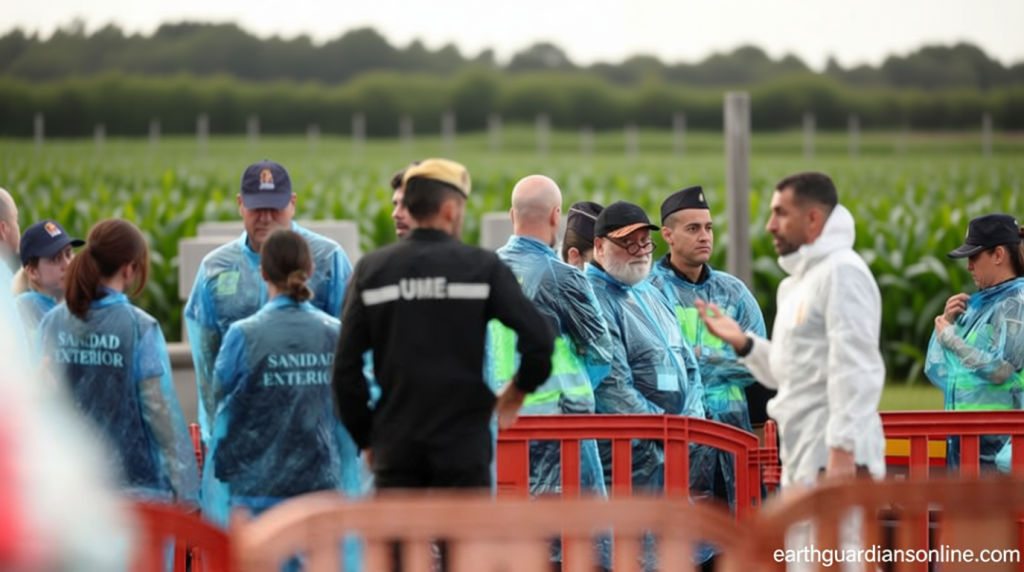
Cruise Ship Evacuation Continues Amid Hantavirus Outbreak
Waves of passengers evacuated from cruise – The initial phase of evacuations from the cruise ship at the center of the hantavirus incident has wrapped up, with 94 individuals from 19 different countries removed from the vessel, as reported by Spanish health officials. The MV Hondius, a specialized expedition ship, had arrived in Tenerife on Sunday morning, bringing 147 passengers to the island. The evacuation process unfolded as planned, with passengers being transferred in small boats from the ship’s anchorage at the Port of Granadilla to the mainland. Spain’s health minister, Mónica García, confirmed at a press briefing that the operation was conducted with precision, highlighting its smooth execution.
Before disembarking, medical personnel boarded the MV Hondius to conduct preliminary tests on both passengers and crew members. The process began shortly before 8 a.m. local time, as García detailed. The ship’s journey to Tenerife had already raised concerns, with three fatalities linked to the hantavirus confirmed since its departure from Argentina. This rare illness, usually transmitted through exposure to rodent excrements, has caused alarm among travelers and local authorities. Despite the outbreak, officials have emphasized that the threat to the general public remains minimal.
Coordination between multiple nations was key to the evacuation effort. The MV Hondius’s crew and passengers were divided by nationality, with each group being ferried ashore in small boats to ensure safety and manage the flow. Once on land, evacuees boarded buses for transport to the airport, where they were then sent to their respective countries. The tour operator, Oceanwide Expeditions, outlined the strategy, stating that the ship would anchor at the “safest” distance from the dock to minimize risk. Passengers were also grouped by nationality, with a maximum of 10 people per boat.
Experts have worked to ease public anxiety, with WHO chief Tedros Adhanom Ghebreyesus emphasizing that the virus does not pose the same level of threat as the previous pandemic. He noted the risk to the broader population is still considered low. Similarly, a spokesperson for the U.S. Department of Health and Human Services reiterated that the likelihood of widespread impact remains “extremely low.” These reassurances have helped temper fears, though the incident has sparked discussions about preparedness and response protocols.
The evacuation of passengers to their home countries involved a range of international efforts. Flights departing for Australia and the Netherlands were scheduled for Monday, as the Spanish health ministry announced. The remaining crew will remain on the ship for its next leg of the journey to Rotterdam, where the vessel will dock after a five-day voyage. After the crew disembarks, a thorough disinfection process will begin to ensure the ship is safe for future use. Oceanwide Expeditions also confirmed that passengers’ luggage would stay aboard temporarily and be returned later as part of the repatriation plan.
American passengers, including those from the U.S., were directed to the University of Nebraska Medical Center, home to the National Quarantine Unit. The CDC official explained that these 18 individuals, along with a British resident, would undergo initial assessments at the facility before transitioning to home-based monitoring for 42 days. Daily check-ins are expected to monitor their health status closely, with no reported symptoms among the U.S.-bound evacuees.
“The sequence of disembarkation will be coordinated with arriving repatriation flights,” Oceanwide Expeditions stated, ensuring a seamless transition for passengers. The operator also highlighted the meticulous planning that went into the evacuation, balancing safety and efficiency.
The French government reported that one of the five nationals repatriated from Tenerife on Sunday developed hantavirus symptoms during the flight back to France. As a result, the affected individual was placed in strict isolation until further instructions. Prime Minister Sébastien Lecornu shared the update on X, noting that the passenger would undergo additional testing and a comprehensive health evaluation. This incident underscored the need for vigilance even after evacuation.
Sixteen Spanish passengers, who had been on the ship, were transported to Torrejon de Ardoz military airport on Sunday afternoon. They were then taken to a military hospital for quarantine, where they will reside in individual rooms and be tested twice—once upon arrival and again seven days later. This measure aims to confirm the absence of active infections and provide peace of mind to both the patients and the public.
The hantavirus outbreak has not only affected the ship’s passengers but also created friction in the Canary Islands, an autonomous region of Spain. The territory’s leader, Fernando Clavijo, expressed initial resistance to the MV Hondius docking there, citing concerns about public health risks. These tensions were echoed by port workers, who held demonstrations over the lack of clear communication about the potential dangers. Clavijo’s office and the Ports of Tenerife have since been contacted by CNN for further comment.
As the MV Hondius prepares for its next stop in Rotterdam, the focus remains on tracking the virus’s spread and ensuring all evacuees receive appropriate care. The ship’s arrival in Tenerife marked a critical phase in the crisis, with officials working to mitigate the impact of the outbreak. The WHO reiterated that the situation was under control, with the virus still classified as a low-risk threat to the general public. Despite the challenges, the coordinated response has demonstrated the effectiveness of international cooperation in managing health emergencies.
With the evacuation process ongoing, questions linger about the long-term implications of the outbreak. How will the hantavirus affect future cruises? What measures are being taken to prevent similar incidents? While the MV Hondius is now heading to the Netherlands, the incident has highlighted the importance of robust health protocols on board. The next steps for the ship’s remaining crew and passengers will be closely watched, as officials strive to ensure no further cases emerge in the coming days.
