Judge orders Kennedy Center to pay $250,000 to performer who canceled show over addition of Trump’s name

Daftar Isi
Judge Rules Kennedy Center Must Compensate Jazz Performer for Lawsuit Over Protest Cancellation
Earthguardiansonline.com – A federal judge in Washington has determined that the nation’s premier performing arts venue must cover legal expenses for a jazz musician who withdrew from a holiday performance in response to the institution’s controversial renaming. The ruling represents a significant legal victory for Chuck Redd, who had been sued by the Kennedy Center after canceling his Christmas Eve concert. Judge Tanya M. Jones Bosier, who was appointed to the bench by President Joe Biden, issued her decision on Monday. She ordered the performing arts center to pay more than $250,000 in legal fees to Redd. The court also granted the institution a 45-day window to complete the payment.
Legal Arguments and Court Findings
The lawsuit originated in March when the Kennedy Center filed legal action against Redd. The institution claimed the performer violated his contractual obligations by withdrawing from his scheduled performance less than seven days before the event. This cancellation came as a direct response to the board’s decision to rename the historic building to honor President Donald Trump. The center’s legal team argued that Redd’s sudden withdrawal caused substantial harm. According to their filing, the institution was compelled to cancel the Christmas Eve Jazz Jam concert at the final moment. This last-minute change deprived hundreds of audience members of their expected holiday performance while generating reputational, marketing, and preparation-related damages. However, Judge Bosier found these claims insufficient. In her June ruling, she determined that the center failed to establish a valid breach of contract claim. The critical factor was that Redd had never signed a formal agreement before canceling his appearance. Lisa Banks, representing Redd, emphasized the broader implications of the case. She stated that the institution attempted to suppress legitimate criticism through what she characterized as a baseless legal action. The court agreed, noting that Redd’s cancellation was protected opposition and that no contractual relationship existed to violate.
Timeline of Events and Institutional Response
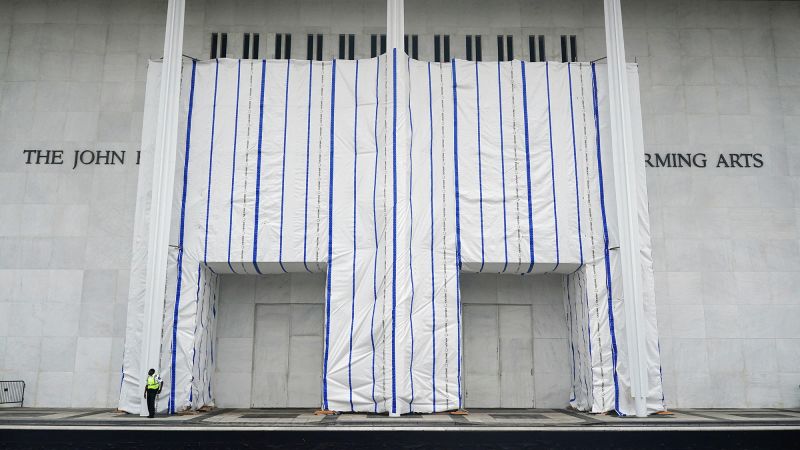
The controversy began when Trump’s appointed board members voted to add the president’s name to the Kennedy Center’s official title. Redd, who has organized and hosted the holiday jazz concert for approximately twenty years, expressed disappointment with the development. He told reporters in December that he was saddened by the renaming decision. Following Redd’s withdrawal, Richard Grenell—who served as the center’s president at the time—wrote a pointed letter criticizing the performer. Grenell, a longtime confidant of the former president, characterized Redd’s actions as “classic intolerance” that imposed significant financial burden on the nonprofit organization. The legal proceedings continued through the summer months. In June, shortly after Judge Bosier dismissed the initial lawsuit, Trump’s name was removed from both the building’s exterior and the institution’s official website. This reversal came after considerable legal back-and-forth between the parties. Grenell subsequently stepped down from his leadership position in March, replaced by new institutional leadership.
Broader Impact on the Performing Arts Community
Redd’s case was not isolated. Following the renaming announcement, multiple artists withdrew from scheduled performances at the venue. The jazz ensemble known as the Cookers canceled their appearance, as did the New York-based dance company Doug Varone and Dancers. Folk singer-songwriter Kristy Lee also pulled out of her engagement. The pattern of artist withdrawals coincided with declining ticket sales during the holiday season. Industry observers noted that the controversy created uncertainty among performers and audiences alike, potentially affecting the institution’s financial stability during its most important revenue period.
What Comes Next
A spokesperson for the Kennedy Center confirmed that the institution plans to appeal Judge Bosier’s decision. The appeal process could extend the legal resolution for months or potentially years. Legal experts suggest that the ruling may have broader implications for how performing arts institutions handle artist contracts and free expression. The court’s emphasis on protected opposition and the absence of a formal contract provides precedent for future disputes of this nature. For Redd, the financial compensation validates his decision to protest what he viewed as an inappropriate political intervention in the cultural institution. Having performed at the venue for nearly two decades, his withdrawal represented both a personal and professional statement about the role of arts organizations in American public life. The case highlights ongoing tensions between cultural institutions and political leadership, particularly regarding how such organizations navigate controversial decisions and the rights of artists to express their positions publicly.
Related Reading
Frequently Asked Questions
What is Judge orders Kennedy Center to pay 250?
Judge orders Kennedy Center to pay 250 is the main topic of this guide. The article explains the context, practical details, and next steps readers should understand.
Why does Judge orders Kennedy Center to pay 250 matter?
Judge orders Kennedy Center to pay 250 matters because readers are looking for a useful answer, not just a short summary. Good content should match search intent and help them decide what to do next.