Almost 30 years after Tupac was killed, a jury has been seated for a trial in his murder

Tupac Murder Trial Begins: Almost 30 Years After His Death
Earthguardiansonline.com – Almost 30 years after Tupac was gunned down in Las Vegas, a jury has finally been seated for his murder trial. Nearly three decades have passed since the music world lost one of its most iconic figures, but the quest for answers regarding Tupac Shakur’s untimely death is finally reaching a courtroom. A jury has been formally seated to hear evidence in the case against Duane “Keffe D” Davis, marking the first time anyone has faced formal charges for the rapper’s murder. The selection process was rigorous, involving more than 100 potential jurors from Clark County who were pulled from their everyday routines. After extensive questioning, twelve jurors and four alternates were chosen to deliberate on whether Davis is responsible for the fatal shooting that occurred near the Las Vegas Strip.
The Accused and the Charges
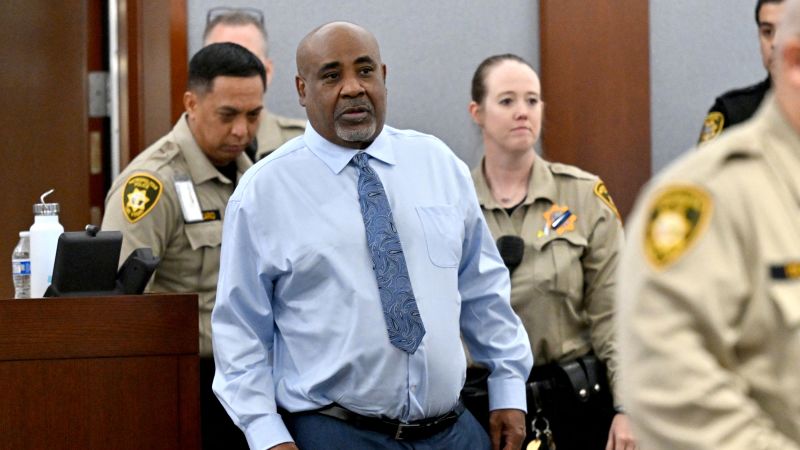
At sixty-three years old, Davis stands as the sole individual to face legal action in connection with Shakur’s death. While the rapper’s passing in 1996 ignited countless conspiracy theories and spawned numerous documentaries and books, this trial represents a formal attempt to bring closure through the judicial system. Prosecutors have presented a specific narrative regarding Davis’s involvement. Rather than being the triggerman who fired the fatal shots, prosecutors argue that Davis orchestrated the entire killing. This theory is supported in part by a memoir Davis authored titled “Compton Street Legend.” Although the presiding judge has noted that the book reads as a work of fiction, it has been deemed admissible as evidence alongside Davis’s previous statements to police. Davis has entered a plea of not guilty to first-degree murder committed with a deadly weapon, with the additional allegation that he acted with the intent to promote, further, or assist a criminal gang.
Challenges of Seating an Impartial Jury
One of the most significant hurdles in this case has been finding jurors who have not been heavily influenced by decades of media coverage. Tupac Shakur’s cultural footprint is so vast that it would be nearly impossible to seat a jury entirely composed of people who had never heard of him. Chief Deputy District Attorney Binu Palal emphasized this point repeatedly during questioning. Despite this challenge, the selected jurors represent a fair cross-section of the community. The youngest juror seated is twenty-one years old, meaning he was born nine years after the rapper was killed. Yet, he remains familiar with Shakur’s music, noting that he listens to the artist when he desires a “West Coast feel.” Potential jurors were questioned on topics central to the case, including gang affiliations, gun ownership, rap music, and the reliability of memory.
Courtroom Atmosphere and Trial Timeline
The trial officially commenced on August 10 in an unassuming room on the second floor of the courthouse for Nevada’s eighth judicial district. The space was unmistakably dedicated to the case, filled with attendees wearing Tupac shirts and displaying tattoos of the rapper. By the second day, a sign had been posted with strict guidelines regarding appropriate attire. “Clothing, hats, buttons, pins or other items that show names, photos, images, messages or symbols related to the case are not allowed,” the sign read. This rule was particularly notable given the number of devoted fans in attendance. For some attendees, traveling to Las Vegas required significant effort. Darryl Harper, a former labelmate of Shakur at the West Coast hip-hop label Death Row Records, flew in from Georgia specifically for the proceedings. “It’s very important that I’m here,” Harper stated. “I want fans to know I was here, still supporting Tupac.” Harper expressed a desire for justice but also emphasized the importance of accuracy in the verdict. “I want ‘them to have the right person too – I don’t want them to get just anyone to say they solved the Tupac case.'”
What Lies Ahead
Opening statements are scheduled to begin on Monday, with the trial expected to continue for four to five weeks. On the first day of jury selection, Davis made a strategic decision to waive his right to be sentenced by the jury. Should he be found guilty, the judge will determine his punishment rather than the jurors. Shakur was only twenty-five years old when he died, several days after being shot in a drive-by shooting on September 7, 1996. The case has remained open for nearly three decades, with multiple suspects and theories emerging over the years. This trial marks a pivotal moment in hip-hop history, as fans and the public await the verdict that could finally provide answers to one of music’s most enduring mysteries.
“Almost 30 years after Tupac was killed, we are finally seeing a formal trial that could bring closure to one of the most famous unsolved murders in music history.”
Frequently Asked Questions
Who is Duane “Keffe D” Davis? Davis is a former gang member from Compton, California, who has been charged with first-degree murder in connection with Tupac Shakur’s 1996 shooting death. He is the first person to face formal charges in the case.
When did the trial begin? The trial officially commenced on August 10, 2026, in Las Vegas, Nevada. Jury selection took place over several days before the formal proceedings began.
How long will the trial last? Opening statements are scheduled to begin on Monday, with the trial expected to continue for four to five weeks. Davis has waived his right to jury sentencing, meaning the judge will determine his punishment if he is found guilty.
What is Davis’s role in the shooting according to prosecutors? Prosecutors argue that Davis orchestrated the entire killing rather than being the triggerman. This theory is supported by his memoir “Compton Street Legend” and previous statements to police.
Why was jury selection challenging? Tupac Shakur’s cultural footprint is so vast that finding jurors who had never heard of him would be nearly impossible. However, the selected jurors represent a fair cross-section of the community, with the youngest being twenty-one years old.