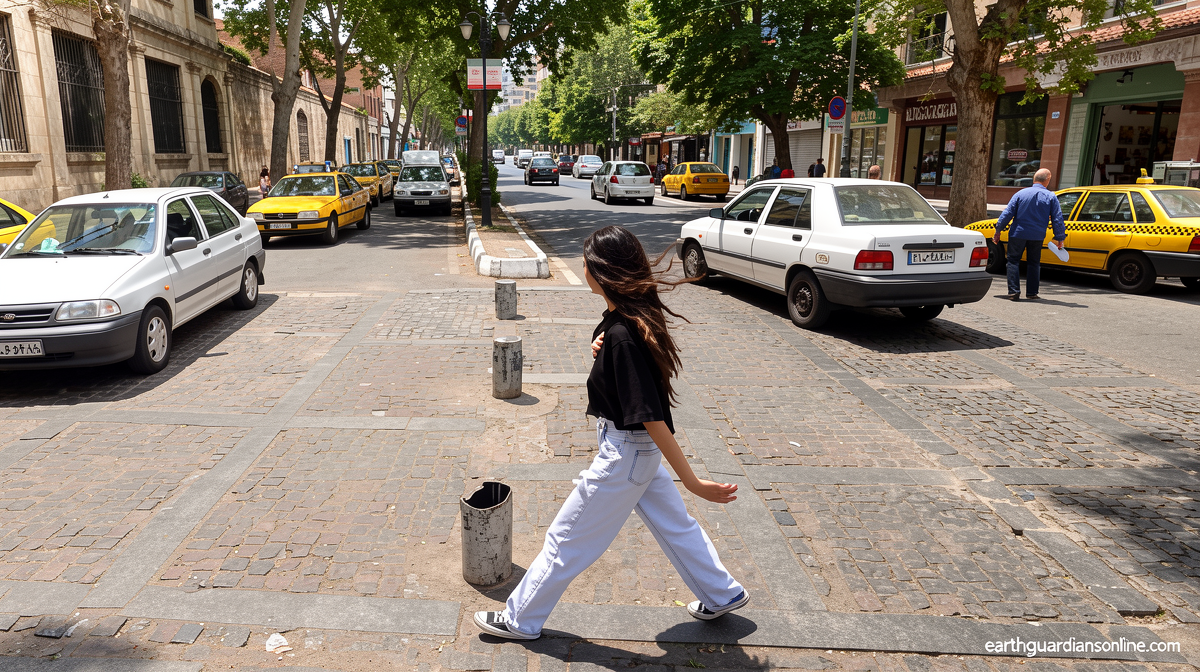
Iranian women defy efforts by hardliners to enforce wearing of hijab

Daftar Isi
Iran’s Hijab Enforcement Resurfaces as Wartime Leadership Tightens Its Grip on Public Life
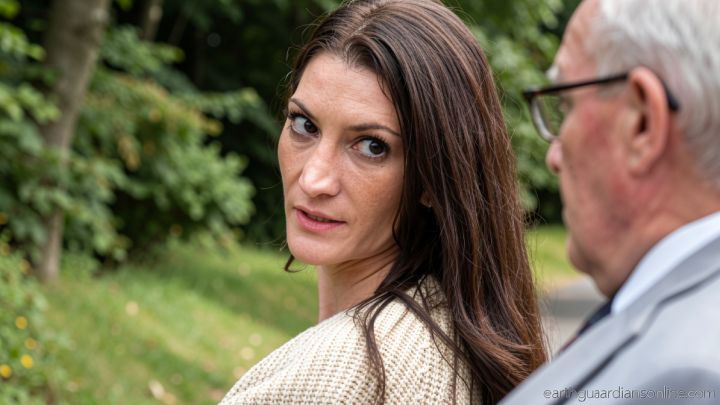
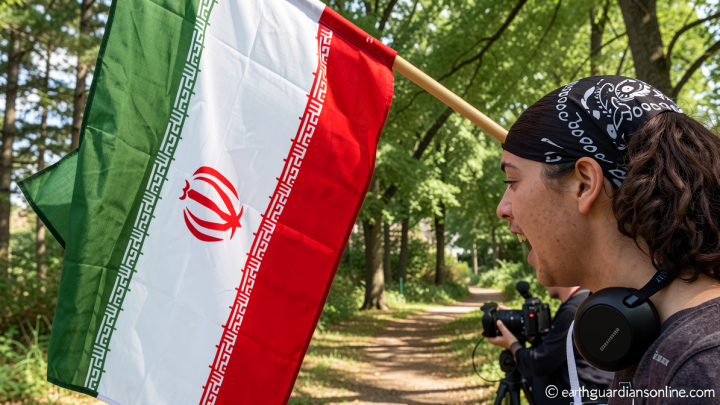
Earthguardiansonline.com – Amid the chaos of an ongoing armed confrontation with the United States and a sweeping reshuffle of Iran’s hardline power structure, a long-dormant cultural battle has flared back into view: the question of whether, and how aggressively, the state will compel women to wear the hijab in public spaces. For much of the current conflict, the issue seemed to have receded into the background. Women without headscarves appeared openly at government-organized rallies and on state television channels, their presence treated as a minor curiosity rather than a provocation. In one widely shared clip, an unveiled woman clutching an Iranian flag declared her pride in her husband, who was serving in the military. The security apparatus, consumed by wartime exigencies, appeared to look the other way.
That tolerance, however, appears to be evaporating. Over the past several weeks, conservative clerics and politicians have intensified their rhetoric around what they term “public nudity,” pressing for a return to strict enforcement of compulsory veiling. The regime’s leadership, now consolidated under Mojtaba Khamenei’s direction of the security establishment, seems to regard the conflict with Washington as an existential contest and the economic wreckage it has left behind as its most urgent domestic challenge. Yet the pressure to act on dress codes is mounting from within the clerical and political establishment, and the state media machine has begun amplifying every small enforcement action into a signal of broader intent.
A Wave of Closures Across Multiple Cities
A review of Iranian media coverage at the close of last month identified enforcement actions in at least six cities, Tehran among them. On July 19, human rights organization HRANA documented the shutdown of no fewer than seven cafes and restaurants in the capital for failing to ensure that patrons observed the mandatory hijab. The group also catalogued social media accounts that had been silenced for publicly defying dress codes, noting that authorities routinely invoke nebulous charges such as “violation of norms,” “violation of modesty,” and “failure to observe Islamic decency” when pursuing alleged offenders. In one particularly opaque instance this month, HRANA recorded a boutique being shuttered simply “due to unveiling,” with no further explanation offered.
The Tehran Prosecutor’s office announced on Monday that it would pursue “serious action” against what it labeled “indecency” violations at specific cafes and restaurants in the capital, as well as at retail shops selling garments it deemed “unconventional” or inappropriate. In eastern Iran’s South Khorasan Province, the chief prosecutor confirmed that ten cafes had been closed over alleged breaches of “social norms and mandatory hijab rules.”
The Shadow of Woman, Life, Freedom
The current enforcement push lands in the long aftermath of the protest movement that erupted four years ago following the death of Mahsa Amini, a young woman who died in police custody after being detained on suspicion of improper dress. The uprising, which crystallized around the slogan “Woman, Life, Freedom,” was met with brutal state repression. Amnesty International reported at the end of 2024 that Iranian authorities were waging war on women and girls “through an increasingly violent crackdown on those defying draconian compulsory veiling laws.”
Yet the movement’s consequences proved durable. Despite years of periodic warnings and sporadic police interventions, widespread defiance of official dress regulations persists, particularly among younger generations of Iranian women. The state’s repeated attempts to reassert control have, paradoxically, reinforced the social norm of non-compliance among millions of urban women who view the headscarf as a personal choice rather than a civic obligation.
Religious Justification and State Media Amplification
The state media campaign accompanying the closures frequently invokes clerical authority. Mohammad Javad Haj Ali Akbari, who leads Friday prayers in Tehran, has asserted that organized efforts exist to promote what he calls “nudity,” and that certain individuals are compensated to appear in public wearing “improper” dress. Prayer leaders cited on state channels insist the hijab constitutes an element of Iranian cultural identity and that women bear a religious obligation to observe modesty in public.
A television program titled “Park Way,” produced for the Tehran Municipality, has devoted multiple episodes to women’s dress, urging action against those who disregard approved dress codes. One episode declared that “unconventional behaviors should not be exhibited by anyone in public places such as parks.”
High-Profile Punishments and Hardliner Pressure
The enforcement environment has produced cases that extend well beyond cafe inspections. In June, popular singer Parastoo Ahmadi, along with eight members of her band and production team, received sentences of 74 lashes in Qom and were barred from leaving the country for two years. Ahmadi had appeared with bare shoulders and uncovered hair at an event she livestreamed on her YouTube channel in 2024. The formal charges included “offending public decency through the production and publication of vulgar and immoral content on cyberspace platforms.”
Pressure from the ideological right wing continues to build. Hossein Shariatmadari, editor of the influential clerical journal Kayhan, has written that enforcing the hijab is simultaneously a legal obligation and a religious duty incumbent upon officials. At a small rally in Isfahan earlier this week, women were mobilized to publicly demand stricter application of the veiling requirement, signaling that the state is attempting to turn the enforcement question into a matter of popular religious sentiment rather than mere administrative regulation.
For ordinary Iranians navigating a wartime economy, the practical stakes are immediate: a closed cafe means lost income for owners and staff; a blocked social media account silences a small business; a lashing sentence removes a cultural figure from public life. The broader implication is that the regime, having consolidated its wartime narrative under Khamenei’s security leadership, now seeks to reassert ideological control over the most intimate dimensions of daily life—what women wear, where they gather, and how they present themselves to the public eye. Whether the current wave of closures marks a sustained escalation or merely a temporary tightening of rhetoric before the next phase of the conflict remains uncertain. What is clear is that the fault line, suppressed for months by the exigencies of war, has reopened.
Related Reading
Frequently Asked Questions
What is Iranian women defy efforts by hardliners?
Iranian women defy efforts by hardliners is the main topic of this guide. The article explains the context, practical details, and next steps readers should understand.
Why does Iranian women defy efforts by hardliners matter?
Iranian women defy efforts by hardliners matters because readers are looking for a useful answer, not just a short summary. Good content should match search intent and help them decide what to do next.