Six months into the Iran war, Iranian Americans remain divided over what comes next

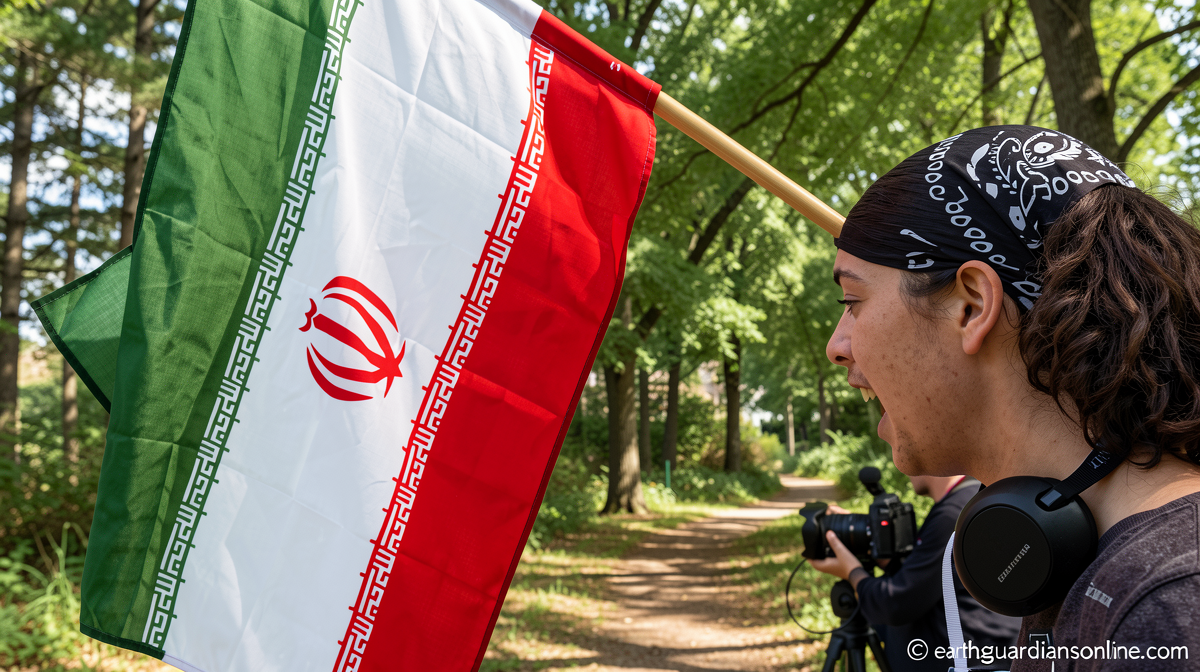
Six Months Into the Iran War: Diaspora Divided
Earthguardiansonline.com – Six months into the Iran conflict, the reverberations of American and Israeli strikes on Tehran have reached far beyond the Middle East, settling into the kitchens, offices, and holiday tables of Iranian Americans from coast to coast. What erupted in late February 2026 as a sudden military escalation has since torn apart one of the largest and most politically active diaspora communities in the United States. Neighbors, coworkers, and siblings now sit on opposite sides of a question that has haunted the exile experience for decades: does outside military pressure end the Islamic Republic, or does the cost of war deepen the very suffering it claims to relieve?
How the Diaspora Was Built — and Why It Fractures Differently
The current split cannot be understood without tracing how the Iranian-American community was assembled in successive waves. It is not a monolith. The first great exodus followed the 1979 revolution, when hundreds of thousands fled after the Shah’s overthrow. Later cohorts arrived after the 1999 student uprisings, after the 2009 Green Movement crackdown, and most recently after the nationwide protest movements of January 2026, in which tens of thousands were detained and killed during a brief but brutal security operation. Each generation carries a distinct relationship to foreign intervention, shaped by what its members witnessed, lost, and were told about the possibilities of outside pressure.
That layered history means the war has not produced a unified diaspora response. Instead, it has amplified pre-existing fault lines, converting quiet disagreements into loud, public ruptures.
The Optimists Who Ran Out of Patience
Among those who initially cheered the strikes was Arezo Rashidian, a longtime monarchist activist in the Los Angeles area who has worked alongside Reza Pahlavi, the exiled son of Iran’s last shah, to organize demonstrations and advocacy campaigns. When the first missiles fell, Rashidian told CNN she hoped the United States and Israel would carry out “targeted attacks on bases to bring down that regime,” framing the intervention as a necessary catalyst for regime change.
Half a year later, that hope has curdled into something closer to exhaustion.
“We really wanted regime change … it’s been six months now, and it didn’t get to that point,” Rashidian said, describing a mood of frustration and uncertainty among activists who had pinned their hopes on the military campaign.
Rashidian relayed accounts from relatives and contacts still inside Iran describing what they characterize as a renewed atmosphere of dread in the months following the peak of the fighting. Conversations about politics, she said, have grown quieter; people involved in January’s protests are increasingly reluctant to speak publicly, wary of surveillance and reprisal.
“Now that the war is a little bit quieter, now the secret police are starting to mobilize,” she said.
Those observations align with a broader pattern of domestic tightening. Videos circulating in recent weeks show women being publicly reprimanded for alleged violations of Iran’s mandatory hijab rules, while shop owners face inspections and fines tied to dress-code enforcement. Rashidian also cited reports of arrests, executions, and wider security operations, though independent verification of those claims remains limited.
Even so, she has not abandoned the pressure campaign. Rashidian continues to advocate for tougher sanctions on Tehran, hoping they will “tighten the rope” around the regime’s finances. This week, Washington signaled further steps: Treasury Secretary Scott Bessent announced measures aimed at a web of Iranian entities that have built infrastructure to route around existing sanctions. Yet the long-awaited package of what had been billed as Trump’s “economic D-Day” left many observers underwhelmed, as the administration opted to expand enforcement of current restrictions rather than impose sweeping new ones.
The Skeptics Who Watched the Streets
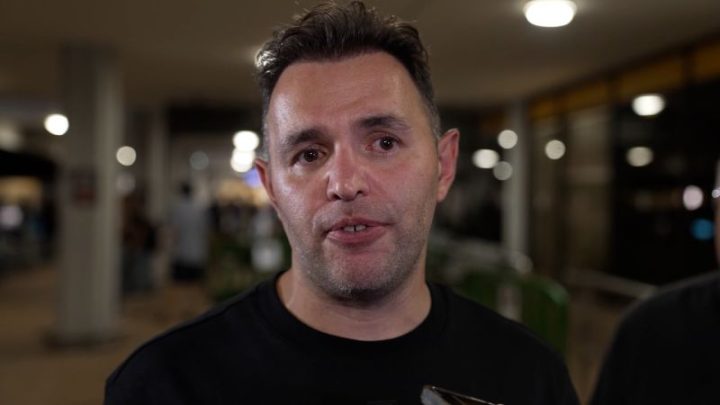
On the other side of the diaspora divide sits a quieter, more personal grief. Aria Rostami, a 38-year-old museum professional in New York who grew up in Southern California’s dense Iranian neighborhoods, described how the past six months have reshaped his relationship to fellow Iranians in ways he did not anticipate.
“I was really disheartened by the community when they were on the streets cheering the war,” he told CNN.
For Rostami, the conflict laid bare assumptions he had carried for years without examining them. Before the strikes, interventionists within the community frequently invoked what he calls “Iranian exceptionalism” — the idea that outside military force, however costly, was preferable to another decade of quiet repression. Watching neighbors celebrate missile launches while relatives inside the country reported curfews, power cuts, and renewed surveillance made that calculus feel, in his words, “detached from the ground.” He now describes a period of withdrawal: fewer community events, shorter phone calls with family, and a growing sense that the diaspora’s political vocabulary has outpaced its moral one.
The divide, both sides acknowledge, is not new. What is new is its visibility. Social media has turned what were once private disagreements at family dinners into public performances of loyalty, and the war has given each faction a language of urgency that leaves little room for the other’s grief.
What Comes Next
As the fighting settles into a lower-intensity phase, the diaspora faces a question that predates the current war by decades: how should a scattered community sustain political engagement without fracturing the bonds that make exile bearable? Rashidian continues to organize, to lobby, and to press for sanctions. Rostami continues to curate, to teach, and to keep his distance from the rally megaphone. Both are Iranian Americans. Both are trying to decide what comes next.
FAQ
When did the current Iran war begin?
U.S. and Israeli military operations against Iran escalated sharply in late February 2026, marking the start of what has since been called the Iran war.
How has the war affected Iranian Americans in the United States?
The conflict has deepened existing political divisions within the Iranian-American diaspora. Some community members support continued military and economic pressure on Tehran; others view intervention as counterproductive and fear it worsens conditions for Iranians still inside the country.
What sanctions measures have been announced recently?
Treasury Secretary Scott Bessent announced new enforcement actions targeting Iranian entities that have built infrastructure to circumvent existing sanctions. The package, previously billed as Trump’s “economic D-Day,” expanded enforcement of current restrictions rather than imposing sweeping new ones.
What happened in the January 2026 protests in Iran?
Nationwide protest movements in January 2026 resulted in tens of thousands of detentions and deaths during a brief but brutal security operation by Iranian authorities. The events remain a defining reference point for many in the diaspora.