Nevada sues the Trump administration over ‘catastrophic’ water cuts as the Colorado River spirals into crisis

Nevada Sues Trump Admin Over Colorado River Water Cuts
Earthguardiansonline.com – Nevada sues the Trump administration in federal district court, challenging a two-year operating plan that would slash the state’s Colorado River allocation by roughly 20 percent. Filed Monday alongside the Colorado River Commission of Nevada and the Southern Nevada Water Authority, the complaint targets guidelines published days earlier by the Department of Interior. The plan assigns steep reductions to Arizona, California, and Nevada while leaving the four upper-basin states untouched, with deeper cuts reserved should river conditions fail to improve.
The filing marks the first formal legal challenge to the Interior Department’s intervention in the river’s allocation. Water-law scholars had long predicted that the collapse of multi-year negotiations among the seven basin states would end up contested in courtrooms rather than resolved at negotiating tables. Analysts expect other lower-basin jurisdictions and Tribal Nations to launch parallel suits in the coming weeks.
A River at Breaking Point
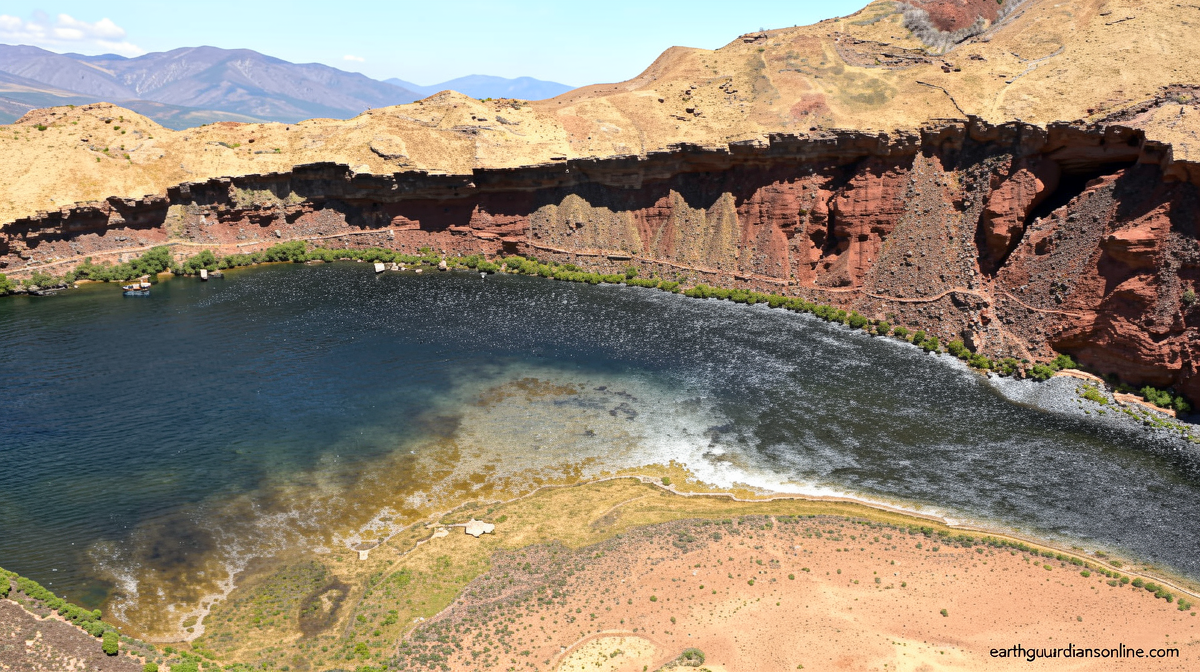
The Colorado River irrigates more than five million acres of farmland, drives hydroelectric generation, and delivers drinking water to roughly 40 million people across the American Southwest. Climate-driven drought layered on decades of over-allocation has pushed the system toward collapse. Lake Mead in Nevada and Lake Powell straddling Utah and Arizona, the river’s two principal storage reservoirs, have recently plunged to record-low levels, underscoring the urgency behind the Interior Department’s intervention.
The administration’s guidelines followed years of failed inter-state talks aimed at producing a consensual management framework. Under existing compact law, federal authorities cannot compel the upper-basin states — Colorado, Utah, New Mexico, and Wyoming — to curtail withdrawals. That structural asymmetry sits at the heart of the state’s challenge.
The Equity Argument and Litigation Ahead
State officials frame the case around proportionality: a plan that assigns the entire burden of shortage to fewer than half the states is, in their view, structurally defective. John Entsminger, general manager of the Southern Nevada Water Authority and Nevada’s principal negotiator on Colorado River matters, called the plan “fundamentally flawed” and warned the reductions would cripple basic municipal water service in Southern Nevada.
Governor Joe Lombardo, a Republican, amplified the disparity in a statement accompanying the filing.
“Southern Nevada could lose more than 70 percent of its already meager Colorado River allocation while the Upper Basin states … are not required to contribute a drop. The Department of the Interior can’t roll Nevada and solve the entire Colorado River shortage on the backs of the Lower Basin states … the solution needs to involve everybody. Until that happens, we are prepared to fight for as long as it takes.”
Upper-basin officials counter that drought has already diminished inflows to their portion of the river, meaning they bear de facto reductions without any formal mandate. Lower-basin states reject that framing, insisting scarcity must be shared proportionally across all seven jurisdictions.
Jason Robison, a law professor at the University of Wyoming, called the filing “certainly not a bolt from the blue” but cautioned that litigation spanning multiple years through every tier of the federal judiciary is costly and uncertain. “Nevada’s claims are certain to be fought over tooth and nail at every level of the federal judiciary,” he said.
Frequently Asked Questions
Why did Nevada sue the Trump administration? The state challenges a Department of Interior operating plan that would cut its Colorado River allocation by roughly 20 percent over two years while imposing no mandatory reductions on upper-basin states, arguing the distribution is structurally unfair.
Which states face the proposed cuts? Arizona, California, and Nevada are subject to the mandated reductions. Colorado, Utah, New Mexico, and Wyoming are not bound by federal compulsion under existing compact law.
What happens if the lawsuit proceeds through the courts? The case would move through federal district court and potentially the appellate and Supreme Court levels, a process that could span several years. Other lower-basin states and Tribal Nations may file parallel challenges during that period.