A controversial ad for a driver is the latest clash between golf’s old guard and new world


Daftar Isi
Golf’s Culture War Escalates After a Viral Driver Ad Sparks Outrage
Earthguardiansonline.com – A shoulder-check delivered on camera has turned what was meant to be a lighthearted product promotion into one of the most heated debates in modern golf. The incident, involving personalities from the internet-native brand Good Good and equipment manufacturer Callaway, has forced the sport’s establishment to confront a question it has been circling for years: how far can the old guard bend before its identity fractures?
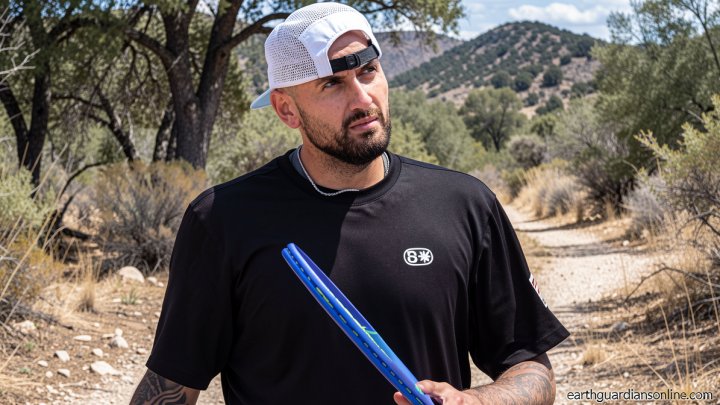
The advertisement in question promoted a co-branded driver and opened with an image that stopped many viewers cold. Garrett Clark, a co-founder of Good Good, was shown delivering a forceful shoulder-check to Alexis Miestowski as she reached toward his club. The clip circulated rapidly across social platforms, and within days both companies faced a wave of criticism asking how a scene depicting physical aggression toward a woman could clear internal review and reach publication.
Apologies From Both Sides
Callaway moved quickly to address the fallout. CEO Chip Brewer acknowledged on Tuesday morning that his company had greenlit the video and issued a formal apology through a statement posted to X.
“As we deal with the consequences of our mistake and complete our investigations, I want to make it clear that we sincerely apologize for the video. The content was inappropriate and does not reflect our values. To be clear: We are unequivocally against discrimination, domestic violence, or threatening behavior of any kind.”
Good Good, for its part, issued its own apology after the clip was removed from circulation on Saturday. The company framed its response around its founding mission of widening access to the game.
“Good Good has always stood for making the game of golf more inclusive to all, and we will continue to ensure that is our mission moving forward.”
Who Is Good Good, and Why Does It Matter?
To understand why this controversy landed with such force, context on Good Good’s trajectory is essential. Founded in 2020, the company began as a content-creation outfit producing irreverent, personality-driven golf videos for social media. Over roughly five years it expanded into merchandise lines, apparel, and event branding. Its signature “Good” hat has become a fixture on fairways from coast to coast, worn by casual players and tour professionals alike.
The brand’s ascent reached a symbolic peak when it secured a title-sponsorship deal for the Good Good Championship, scheduled for November in Austin, Texas. That partnership was widely interpreted as the PGA Tour formally welcoming internet golf into its institutional orbit — a gesture meant to signal that the sport’s two parallel cultures could coexist under one roof.
Now that same partnership sits under a microscope. The Tour is reportedly weighing how Good Good handled the backlash, and the question of whether the championship proceeds unchanged has entered public discourse.
The Tour’s Unease
PGA Tour CEO Brian Rolapp addressed reporters on Tuesday at East Lake Golf Club in Atlanta, where the season-ending Tour Championship was underway. His remarks struck a tone of measured disappointment rather than outright condemnation.
“Initially no. I think what we saw was concerning, and is clearly not aligned with PGA Tour values. We take it very seriously. I think their initial response was disappointing. It was a bit defensive and late, but I think the responses are getting better.”
Pressed on whether the November event would be affected, Rolapp offered a deliberately noncommittal answer.
“It’s a bit of a fluid situation. We were disappointed at first. It sounds like in the last 24 hours they’ve made some progress. We’ll continue to monitor the situation and see how it develops.”
A Sport Caught Between Two Eras
The Good Good/Callaway episode is not an isolated misstep; it is the latest flashpoint in a structural tension that has defined golf’s 2020s. On one side stands the PGA Tour, an institution with nearly a century of accumulated prestige, strict conduct norms, and a brand built around quiet excellence. On the other stands a generation of fans who discovered the game through TikTok clips, YouTube compilations, and the unapologetic humor of creators who treat the course as a stage rather than a sanctuary.
The Tour has not stood still. It has opened its media credentials to independent creators, collaborated with influencers on pre-event promotional content, and restructured broadcast packages to accommodate shorter attention spans. The LIV Golf venture, backed by billionaire investors, arrived as a direct commercial challenge, offering players lucrative contracts and a looser cultural register. In response, the Tour has accelerated its own modernization efforts, and the Good Good Championship was conceived as a flagship example of that pivot.
Yet the ad controversy exposes a gap between rhetoric and execution. A title partner whose content team produces a clip that many viewers read as depicting domestic violence undermines the very inclusivity narrative the partnership was supposed to advance. For the Tour, the calculus is uncomfortable: distancing itself from Good Good risks appearing to punish the new audience it desperately wants, while staying silent risks alienating the traditional fan base that funds its operations.
The coming weeks will likely determine whether the November championship proceeds as planned, whether additional accountability measures are imposed on the sponsor, and whether the Tour can absorb this episode without fracturing the fragile bridge it spent years building between golf’s past and its internet-born future. For now, the shoulder-check in that opening frame remains the image the sport cannot shake.
Related Reading
Frequently Asked Questions
What is A controversial ad for a driver?
A controversial ad for a driver is the main topic of this guide. The article explains the context, practical details, and next steps readers should understand.
Why does A controversial ad for a driver matter?
A controversial ad for a driver matters because readers are looking for a useful answer, not just a short summary. Good content should match search intent and help them decide what to do next.