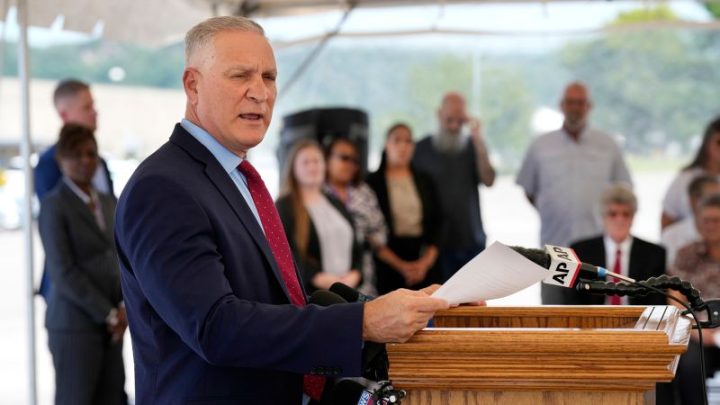
US Army veteran pardoned for crimes that led to his self-deportation

Daftar Isi
Purple Heart Recipient Pardoned in New York After Self-Deportation Under Immigration Crackdown
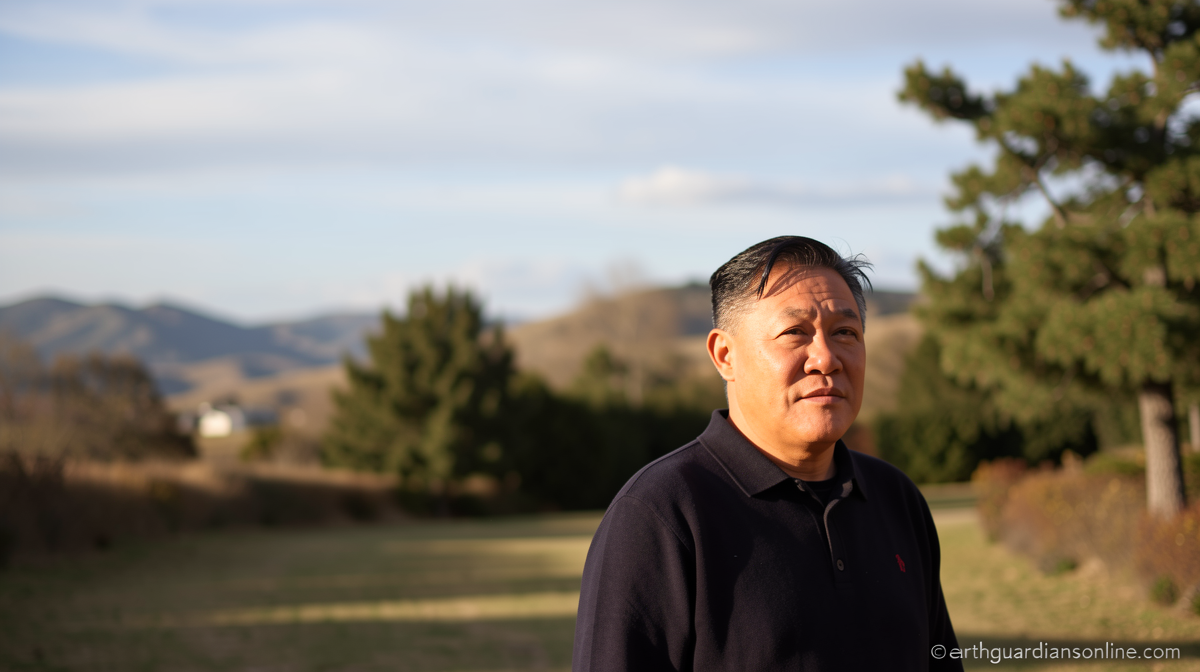
Earthguardiansonline.com – New York Governor Kathy Hochul erased two criminal convictions belonging to a Korean-born US Army veteran on Friday, a move that could eventually allow the decorated soldier to return to the country he has called home since childhood. Sae Joon Park, 57, had been living in South Korea since last year after self-deporting under pressure from immigration enforcement agents during a routine check-in. The pardon, granted alongside five other individuals, does not instantly restore his right to re-enter the United States, but it provides legal grounds to challenge the removal order that sent him abroad.
The decision lands amid a broader wave of noncitizen veterans swept into deportation proceedings under President Donald Trump’s sweeping immigration enforcement campaign. Park’s situation became a flashpoint in December when members of Congress pressed then-Homeland Security Secretary Kristi Noem during a tense hearing about veterans caught up in the crackdown. His case illustrated how a single prior conviction — even one decades old — could unravel decades of lawful residence for someone who had bled for the nation.
A Childhood Arrival and a Combat Wound
Park arrived in the United States at age seven, traveling alone from South Korea after his parents’ divorce to reunite with his mother in Miami. He later settled in Southern California and enlisted in the US military upon graduating from high school. In 1989, he took part in the American invasion of Panama, where a firefight left him shot twice — once in the spine and once in the lower back. For those wounds, he received a Purple Heart, the military decoration awarded to service members injured or killed in combat.
The physical scars were matched by psychological ones. After returning stateside, Park struggled with what he would later identify as post-traumatic stress disorder. To manage the pain, he turned to drugs. In 2007, he was arrested in New York while purchasing narcotics and subsequently convicted of criminal possession of a controlled substance in the third degree.
Flight, Conviction, and the Immigration Consequence
Fearing he would fail court-ordered drug tests during probation, Park fled New York and missed a scheduled court appearance. He returned to his family in Hawaii, where relatives eventually persuaded him to surrender after US marshals knocked on their door while he was away. He was convicted of second-degree bail jumping — a charge classified as an aggravated felony under federal immigration law — and sentenced to prison in New York. He was released in 2011.
Upon his release, agents from Immigration and Customs Enforcement were waiting at the facility, acting on a removal order an immigration judge had issued the previous year based on his criminal convictions. Park spent six months in ICE detention before being released under a deferred action on his removal order. His attorney, Danicole Ramos, explained that the deferral rested on what she called the “equities of being a Purple Heart veteran” — a form of prosecutorial discretion that pauses deportation without conferring lawful status. His original green card, obtained as a child, was revoked, and he was barred from traveling abroad, yet permitted to remain in the country and work legally.
For fifteen years, Park did exactly that. Then, in June of last year, a routine immigration check-in went sideways. An ICE officer cited his prior removal order and threatened on-the-spot detention. A deal was struck: Park would avoid immediate custody if he wore an ankle monitor and self-deported within three weeks. He chose to leave for South Korea, the country he had abandoned at seven.
The Pardon and What Comes Next
Hochul’s Friday action wiped both convictions — the 2007 drug possession charge and the 2009 bail-jumping conviction — from Park’s record. In a statement, the governor’s office said the pardoned individuals “have displayed positive changes in their lives and will dedicate themselves to bettering their communities — they earned their second chance through rehabilitation and can now establish their futures once again.”
“I still cannot believe this has happened. I am incredibly grateful to Governor Hochul for giving me this chance and for recognizing that I am more than the mistakes I made many years ago,” Park said in a statement issued by his lawyer, Danicole Ramos.
Ramos cautioned that the pardon is a necessary but not sufficient step toward repatriation. It gives Park grounds to petition for his removal order to be vacated, but no timeline was offered for when — or whether — he would be permitted back into the country. “This pardon represents a tremendous step forward and gives Mr. Park and his family renewed hope that, after more than a year of separation, he may one day be able to return to the country he has called home since childhood and for which he put his life on the line,” the attorney said.
The Department of Homeland Security had previously pointed to Park’s criminal record as justification for his deportation when asked about his case. No comment was provided on the pardon itself.
Why This Case Matters
Park’s story sits at the intersection of two national conversations: how the country treats veterans who served under its flag, and how aggressively immigration authorities enforce removal orders against long-term residents with prior records. The fact that a Purple Heart recipient — a soldier wounded twice in combat for the United States — found himself threatened with handcuffs at a check-in appointment, and ultimately forced to leave the country, gave lawmakers a concrete example to wield in hearings. The pardon signals that at least one state government views the intersection of military service, post-traumatic injury, and a decades-old conviction as warranting a fresh start. Whether federal immigration authorities will honor that fresh start remains the open question Park and his family now face.
Related Reading
Frequently Asked Questions
What is US Army veteran pardoned for crimes?
US Army veteran pardoned for crimes is the main topic of this guide. The article explains the context, practical details, and next steps readers should understand.
Why does US Army veteran pardoned for crimes matter?
US Army veteran pardoned for crimes matters because readers are looking for a useful answer, not just a short summary. Good content should match search intent and help them decide what to do next.