Netanyahu faces backlash over report he was warned of Hamas attack days before October 7

Netanyahu Faces Backlash Over UAE Warning Report
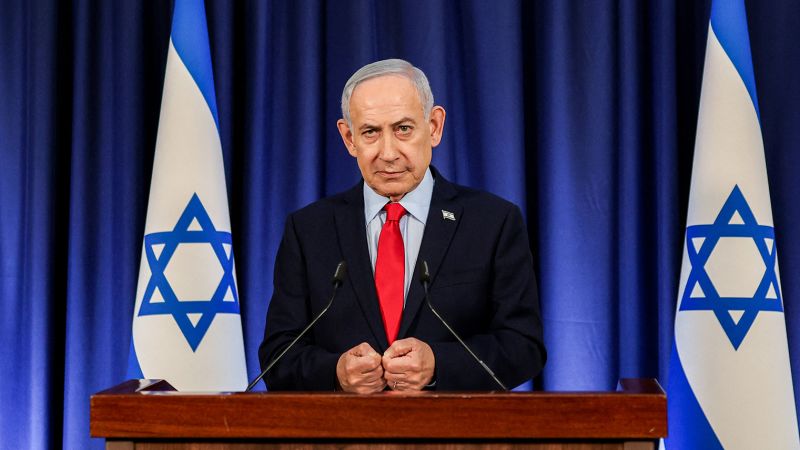
Earthguardiansonline.com – Netanyahu faces backlash over report that the UAE president phoned him roughly ten days before the October 7 Hamas assault, alerting him to a large-scale operation in preparation. The allegation, sourced from research by Israeli journalists Shlomi Eldar and Ruti Yuval for an upcoming book, detonated a fresh political crisis with Israel’s parliamentary elections fewer than sixty days away. The Prime Minister’s Office dismissed the claim as an “absolute lie,” yet the timing struck a nerve in a campaign already riddled with accusations of negligence and cover-up.
What the Alleged Call Contained
Eldar and Yuval’s account describes a conversation of approximately forty-five minutes between Netanyahu and Sheikh Mohammed bin Zayed, president of the United Arab Emirates. During that exchange, the UAE leader reportedly relayed intelligence — funneled through a Palestinian mediator in mid-September 2023 — that Yahya Sinwar, Hamas’s Gaza chief, was preparing a major military strike capable of triggering widespread bloodshed and regional destabilization. Sinwar was said to have characterized the coming operation with the word “earthquake.”
The account characterizes Netanyahu’s response as “relatively calm,” noting he assured Bin Zayed that Israel stood ready for any scenario. If accurate, that framing deepens the question critics have pressed since the morning of October 7: why no visible operational shift followed the supposed briefing.
Opposition Leaders Issue Rare Joint Rebuke
Within hours of the story breaking, four opposition figures — Gadi Eisenkot, Naftali Bennett, Avigdor Lieberman, and Yair Golan — set aside their usual rivalries to release a single statement demanding “an immediate and thorough investigation” into what they called Netanyahu’s “failures and malfunctioning.”
“The Israeli public is entitled to know: What did Netanyahu know, when did he know, why he didn’t update the security establishment, and why he didn’t act to protect Israeli civilians?”
Former Prime Minister Naftali Bennett went further on the social platform X, calling the report “true” and labeling the alleged dismissal of the warning “criminal negligence.” His political ally, former Prime Minister Yair Lapid, reminded audiences that he himself had publicly cautioned about an impending strike before October 7, as had senior Israeli security officials and Egyptian counterparts.
“If Netanyahu had fulfilled his role, the massacre would have been prevented,” Lapid stated.
Abu Dhabi’s Measured Silence
The UAE Foreign Ministry issued a brief statement on Tuesday evening, saying it “does not comment on media stories or speculation regarding conversations between government leaders” while stopping short of denying any call occurred. The ministry added:
“When necessary, all relevant intelligence has been and continues to be communicated between the relevant entities.”
An Israeli source familiar with the matter said Netanyahu’s office had sought a flat denial from Abu Dhabi. The UAE settled instead on the measured intelligence-sharing language above — a response that, in critics’ eyes, left the core allegation effectively unchallenged. The Prime Minister’s Office, meanwhile, maintained that Netanyahu “did not speak with the president of the United Arab Emirates during the period in question and did not receive any warning from him.”
October 7 in Context: Scale and Aftermath
The stakes of the dispute are difficult to overstate. On October 7, 2023, Hamas launched the deadliest attack in Israeli history, killing more than 1,200 people and seizing over 250 hostages into Gaza. Nearly three years have passed since that morning, yet the question of who knew what, and when, remains unresolved for bereaved families and survivors pressing for an independent commission of inquiry.
Netanyahu has resisted that demand. Instead, he and close associates have advanced a narrative placing blame on security chiefs who allegedly failed to rouse him the night before the attack despite intelligence indications of an imminent Hamas offensive. Since October 7, virtually every senior figure in Israel’s security establishment from that day has departed: the defense minister, the military chief of staff, and the heads of military intelligence, the Mossad, and the Shin Bet have all resigned, been removed, or completed their terms.
Frequently Asked Questions
Who originally reported the alleged UAE-to-Netanyahu call? Israeli journalists Shlomi Eldar and Ruti Yuval, drawing on research for an upcoming book, first detailed the account.
Did the UAE confirm the conversation took place? No. The UAE Foreign Ministry declined to comment on media stories about conversations between government leaders, without explicitly denying the call.
What did the Prime Minister’s Office say? It rejected the account as an “absolute lie,” stating that Netanyahu did not speak with the UAE president during the period in question and received no warning from him.
What are the opposition leaders demanding? An immediate and thorough investigation into what Netanyahu knew, when he knew it, and why no protective action followed.