Andrew and Tristan Tate must remain in custody as they fight UK extradition, a US judge rules

Tate Brothers Held During UK Extradition Case
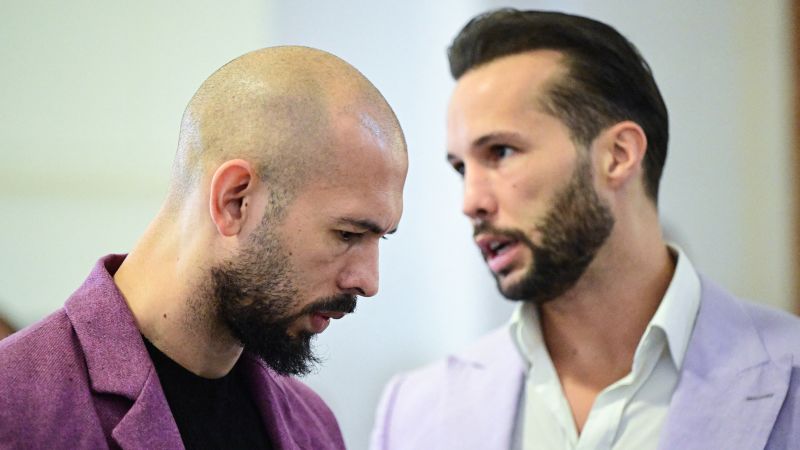
Earthguardiansonline.com – Andrew and Tristan Tate must remain in federal custody in Miami while they challenge efforts to extradite them to the United Kingdom, where they face rape and human trafficking charges. A US judge ruled that the brothers will stay detained as the extradition case proceeds.
The decision followed a lengthy hearing on August 27 before US Magistrate Judge Lauren Louis. It means neither brother will be released during the current stage of their legal challenge to the British extradition request.
Custody Order Follows Lengthy Hearing
The August 27 court appearance was the first time Andrew and Tristan Tate had been seen publicly since July. Before the hearing, the online influencers had spent nearly six weeks in separate housing at the Federal Detention Center in Miami.
Judge Louis’ ruling concerns their custody status in the United States, not whether the allegations against them have been proven. Andrew and Tristan Tate must remain detained while the federal court considers issues connected to the UK request and their effort to oppose a transfer.
The brothers’ case involves two separate legal settings. The extradition and detention dispute is being handled in a US federal court, while the rape and human trafficking charges are connected to the United Kingdom. The custody ruling does not decide guilt or innocence on those charges.
What the Extradition Fight Involves
Extradition proceedings focus on whether a person can be transferred from one country to another to face a criminal case. They are different from a criminal trial, where evidence is tested and a court ultimately determines whether a defendant is guilty or not guilty.
In this instance, the immediate question is whether the Tate brothers can be sent from the United States to the United Kingdom under the applicable extradition process. Their lawyers are contesting that outcome, while the US court addresses the legal issues surrounding the British request.
The ruling keeps the brothers under federal supervision in Miami instead of allowing them to return to public life while the case continues. Their prolonged detention and separate housing preceded their August court appearance, which drew attention because they had not been publicly seen for weeks.
For now, the practical effect is clear: Andrew and Tristan Tate must stay in custody while they fight the possibility of extradition. Further court action will determine the next steps and could provide more clarity about the timetable for the case.
Charges Have Not Been Resolved
The allegations underlying the extradition request remain unresolved. The brothers face accusations of rape and human trafficking in the United Kingdom, but the US detention order is a procedural ruling rather than a final finding on the underlying claims.
International cases of this kind can require courts to consider custody, cross-border cooperation, and the legal foundation for a requested transfer. Those questions are important, but they remain distinct from a trial on the allegations themselves.
The decision by Judge Louis followed hours of proceedings on August 27. With the order in place, both men will continue their challenge from federal custody in Miami as the extradition process moves forward.
Frequently Asked Questions
Will the Tate brothers be released while the extradition case continues? No. The current ruling requires them to remain in federal custody in Miami during their challenge to extradition.
Does the US judge’s decision mean they have been found guilty? No. The detention order addresses custody and extradition procedures in the United States. It does not determine guilt or innocence on the charges connected to the United Kingdom.
Where could Andrew and Tristan Tate be sent if extradition is approved? They could be transferred to the United Kingdom, where the rape and human trafficking charges are connected.
What happens next? The extradition case will continue through the US legal process. Any future decision about a transfer will depend on the proceedings surrounding the UK request.