Tunisia is one of the world’s largest olive oil producers — but you’ll rarely see it mentioned on a label

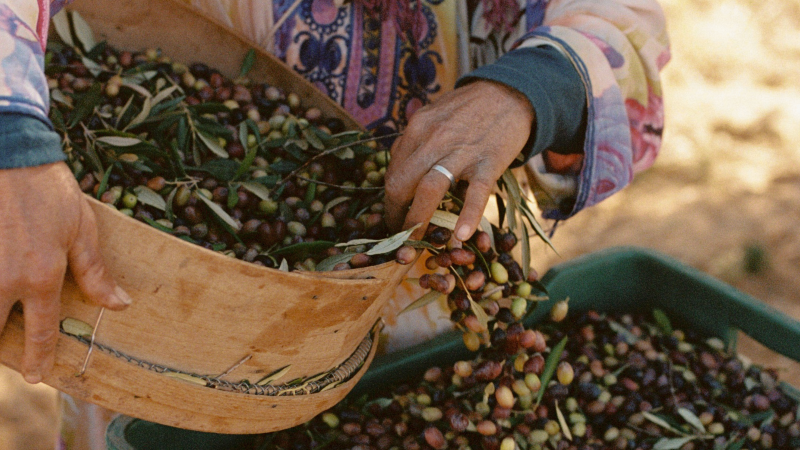
Tunisia Is One of the World’s Olive Oil Leaders—Why Labels Hide It
Earthguardiansonline.com – Tunisia is one of the world’s leading olive oil producers, with olive-growing traditions that stretch back nearly 3,000 years. The country is expected to be the second-largest producer globally in the 2025/2026 season, yet consumers abroad often struggle to find bottles that clearly name Tunisia as their source.
Olive oil is central to Tunisian food, family life and rural livelihoods. However, much of the country’s production enters international markets without a Tunisian identity, leaving growers with less control over how their oil is presented, priced and recognized.
Why Tunisian olive oil is often sold without its origin
According to OLYFO, 86% of Tunisia’s olive oil exports in the 2025/2026 season were shipped in bulk. Spain, Italy and the United States were the leading destinations. The oil may later be bottled abroad or blended with oils from other countries before reaching store shelves.
This system can make provenance difficult to trace. European Union labels may refer broadly to oils from EU and non-EU origins, while US packaging can make it hard for shoppers to distinguish among the importer, producer and harvest location.
As a result, Tunisia is one of the world’s major suppliers of olive oil while still being seen by many buyers as a source of lower-cost raw material. The greater share of value can be captured later in the process, through bottling, branding, distribution and marketing.
KAÏA and a direct-to-consumer approach
Sarah Ben Romdane founded KAÏA, an organic extra-virgin olive oil brand, after reconnecting with her family’s olive-growing roots. Her family was the first in Tunisia to export olive oil to the United States, and she has described olive oil as a deeply personal part of Tunisian life.
“In Tunisia, we say there are more olive trees than Tunisians.”
Born in Paris to a Tunisian father and Syrian mother, Ben Romdane grew up in London and spent summers in Tunisia. During the Covid-19 period, she invested in olive trees cultivated by her family for five generations. KAÏA uses Indigenous Chemlali olives from centennial trees that are more than 100 years old.
Within five years, the brand has aimed to connect the quality of its oil with the people, land and traditions behind it. That strategy reflects a broader effort by Tunisian producers to sell finished products under their own names rather than remain anonymous suppliers.
The fight for control of the olive oil value chain
Economist Fadhel Kaboub, author of the Global South Perspectives newsletter and an associate professor at Denison University in Ohio, says the decisive issue is not simply olive production. It is the control of the value chain.
“The real competition isn’t growing olives; it’s controlling the value chain.”
Kaboub connects today’s trade structure to colonial history and quotas. Tunisia was ruled by France from 1881 to 1956, and he argues that long-standing economic relationships still influence the country’s position in the European olive oil market.
Access to financing is another barrier. Olive cultivation requires investment, while inherited land may not have modern titles that help farmers secure domestic credit. Some growers must sell an expected harvest up to a year ahead to bulk buyers in Italy or Spain, fixing a price before the crop’s final quality is known.
These pressures can limit investment in rural communities and make it harder for farms to build independent brands. They also affect agricultural workers, most of whom are women, who can face precarious seasonal employment and transportation safety concerns.
FAQ: Tunisian olive oil
Why is Tunisia is one of the world’s biggest olive oil producers?
Tunisia has extensive olive groves, generations of farming knowledge and a long history of producing olive oil. Its output can place it among the top global producers, including an expected second-place ranking for the 2025/2026 season.
How can shoppers identify olive oil from Tunisia?
Check the bottle for a clear country-of-origin statement, producer name and harvest information. Labels that only describe a blend of EU and non-EU oils may not identify the specific country where the olives were grown.
Why does bottling matter to Tunisian producers?
Bottling and branding allow producers to retain more influence over pricing, product identity and consumer recognition. When oil is exported in bulk, those later stages of the business are often handled in another country.