Rob Reiner wins posthumous Emmy for role in ‘The Bear’

Daftar Isi
Rob Reiner Honored With Posthumous Emmy for ‘The Bear’
Earthguardiansonline.com – Rob Reiner was honored nine months after his death with an Emmy Award for his guest performance in FX’s acclaimed kitchen-set comedy-drama, The Bear. The late actor and filmmaker won outstanding guest actor in a comedy during the weekend ceremony held at Peacock Theater in downtown Los Angeles.
The presentation took place during the two-day event previously known as the Creative Arts Emmys, which recognizes many television artists and craftspeople before the main televised Emmy ceremony. Reiner’s name was met with a prolonged standing ovation from audience members, including many colleagues and longtime friends.
His victory recognized one of the final screen performances of a career that moved fluidly between acting, directing, producing and comedy. While Reiner was widely celebrated as the filmmaker behind such enduring movies as The Princess Bride, When Harry Met Sally, This Is Spinal Tap and Misery, the Emmy served as a reminder of the depth of his work as an actor.
A Final Television Appearance
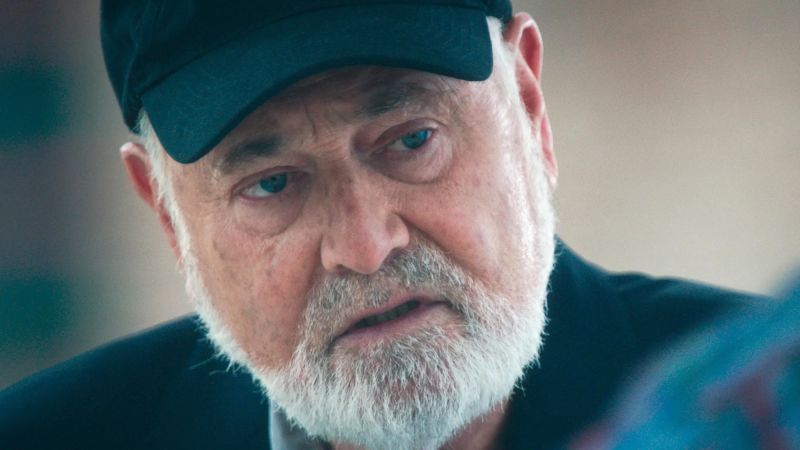
In the fourth season of The Bear, Reiner played a kindhearted business consultant. His character made an impression on viewers when the episodes arrived in summer 2025, prompting hopes that he could appear again if the series continued into a fifth season.
Those expectations ended after Reiner’s death in December of last year. He and his wife of four decades, Michele Singer Reiner, were found dead at their Brentwood home in Los Angeles by their daughter. Their son, Nick Reiner, has been charged with stabbing his parents to death and has entered a not-guilty plea.
The award adds a deeply emotional dimension to Reiner’s final television role. His appearance on The Bear brought a familiar warmth to a show known for its intense portraits of work, family pressure and personal ambition. Though his role was brief, it gave audiences one more opportunity to see the performer’s distinctive presence on screen.
A Competitive Guest-Actor Field
Reiner received the prize in a field that included Michael J. Fox and Brett Goldstein for Shrinking, Hamish Linklater for Widow’s Bay, Christopher McDonald for Hacks and Connor Storrie for Saturday Night Live.
The category brought together performers known for making a major impact in limited screen time. Guest roles can often become memorable because they shift the tone of an established series, introduce a new perspective or create a defining moment for recurring characters. Reiner’s work in The Bear achieved that kind of resonance with viewers.
For fans of his earlier work, the moment also connected different eras of his career. Reiner first became a household name through his portrayal of Michael “Meathead” Stivic, the rebellious young character in the CBS sitcom All in the Family. His performance on that landmark comedy earned him two Emmys.
An Emmy Return Nearly Five Decades Later
The latest honor arrived 48 years after Reiner collected the second of those earlier acting Emmys for All in the Family. The long interval between wins underlines the unusual span of his career: a performer who achieved early television fame, became one of Hollywood’s most successful directors and later returned to acting in a role that earned another major television award.
Reiner’s recognition also has a family parallel. His father, comedian, actor and director Carl Reiner, won in the same guest-actor comedy category in 1995 for an appearance on Mad About You. That came 37 years after Carl Reiner’s second Emmy win, for Caesar’s Hour in 1958.
The father and son therefore each experienced exceptionally long gaps between acting Emmy victories, with both careers stretching across generations of television viewers. Their achievements reflect a rare continuity in American comedy, from the early variety-show era through classic network sitcoms and into contemporary prestige television.
A Rare Posthumous Acting Emmy
Reiner is the first performer to receive a posthumous Emmy in an acting category since 1995. That year, Raul Julia won for his role in the television movie The Burning Season, following his death in 1994 at age 54.
Such awards are uncommon, and they carry meaning beyond a single performance. They recognize work completed during an artist’s lifetime while also giving peers and audiences a formal occasion to reflect on a career’s influence. In Reiner’s case, the tribute acknowledged both his contribution to The Bear and a body of work that helped shape modern film and television comedy.
From his years as Meathead to his celebrated directing career and his last role in The Bear, Reiner remained a creative figure whose work reached audiences in many different forms. His final Emmy now stands as a posthumous salute to that lasting legacy.
Related Reading
Frequently Asked Questions
What is Rob Reiner wins posthumous Emmy for role?
Rob Reiner wins posthumous Emmy for role is the main topic of this guide. The article explains the context, practical details, and next steps readers should understand.
Why does Rob Reiner wins posthumous Emmy for role matter?
Rob Reiner wins posthumous Emmy for role matters because readers are looking for a useful answer, not just a short summary. Good content should match search intent and help them decide what to do next.